How Late Can You Plant in the Fall?
Every autumn, we hear the same worried question: “Is it too late to plant?” Usually, the answer is no.
How Late Can You Plant in the Fall? Probably later than you’d guess.
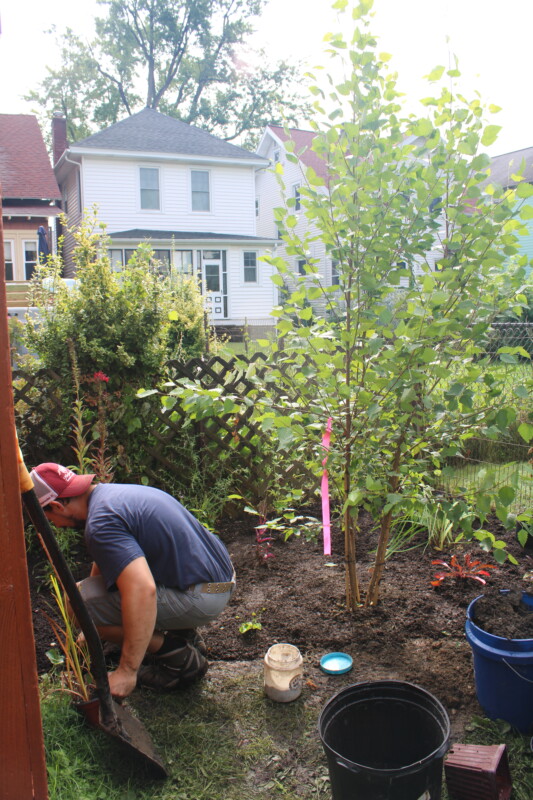
At Jessecology, we plant for clients until Thanksgiving most years. At our own wildflower farm properties, we often continue planting through December. The calendar does not decide when planting season ends; the ground does.
You Can Plant Until the Ground Freezes.
As long as the soil is workable enough to dig and settle firmly around the roots, many trees, shrubs, and perennials can still be planted successfully. Cold air is not the same thing as frozen ground. A frosty morning or a light snowfall does not necessarily mean planting season is over.

Late fall can actually be a gentle time for a new planting. Plants are entering dormancy, so they are no longer putting much energy into leaves, flowers, or top growth. Cooler temperatures also reduce heat stress and water loss.
Meanwhile, the soil often stays warmer than the air, allowing roots to settle in before deep winter arrives—and to resume growth early in spring.

Trees Would Rather Be in the Ground Than in Pots.
Trees and shrubs very much appreciate being saved from wintering in pots. A nursery pot leaves roots exposed to much sharper temperature swings than they would experience in the earth. In the ground, the surrounding soil provides insulation, moisture, and a far more stable environment.
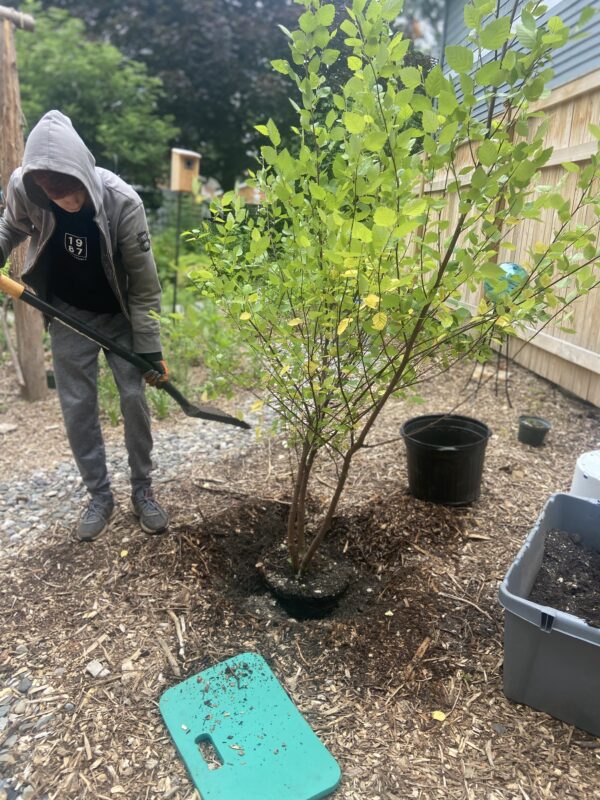
When the choice is between properly planting a dormant tree late in the season and leaving it aboveground in a pot all winter, planting is often the kinder option.
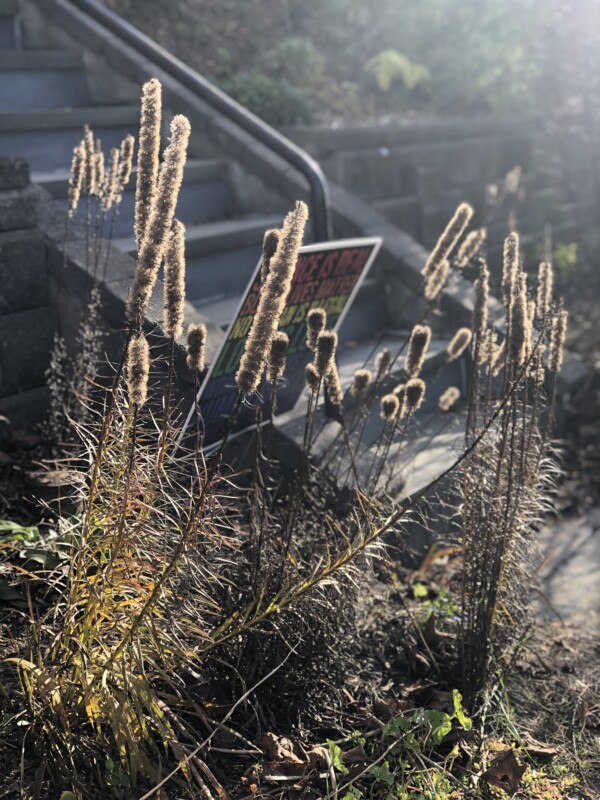
The same principle applies to many hardy native perennials. Once dormant, they may not look like much aboveground, but their roots are alive. Planting them gives those roots contact with the soil and positions them to wake up in place when spring arrives.
When Is It Actually Too Late?
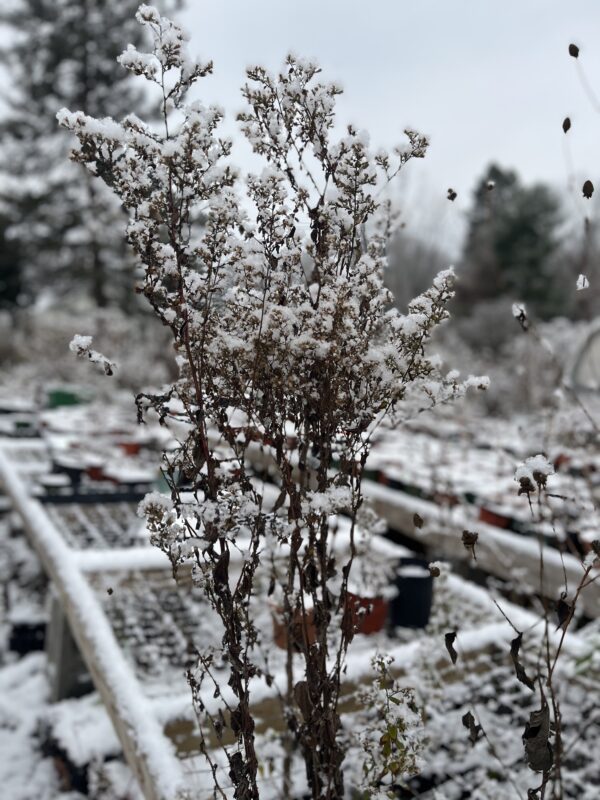
Planting season is finished when the ground is frozen too deeply to dig a proper hole, break up the surrounding soil, and eliminate large air pockets around the roots.
If the soil is frozen only at the surface but workable underneath, planting may still be possible. If it is frozen solid, it is time to wait.
Late planting also requires judgment. Waterlogged soil should not be worked because digging and walking on it can damage the soil structure.
Tender plants, plants that are not reliably hardy in the region, and some broadleaf evergreens need more time to establish and may be better planted earlier.
How to Help a Late-Fall Planting Succeed.
- Plant at the correct depth. Keep a tree’s root flare visible and avoid burying the crown of a perennial.
- Water thoroughly. Even dormant plants need moist soil around their roots. Water at planting and continue watering on rain-free days until the temperatures at night begin freezing. (Basically, this is mid-October in a lot of upstate New York.)
- Skip any extra fertilizer. The goal is not to encourage new top growth. Let the plant settle into dormancy naturally.
- Prevent frost heaving. Newly planted perennials can sometimes be lifted by repeated freezing and thawing. Firm soil contact and a light insulating mulch help keep them in place.
- Protect vulnerable plants. Where deer, rabbits, or voles are active, use appropriate guards or barriers before winter.
Late Fall Is Still Planting Season.
Garden culture often treats fall planting as if it ends with the first frost, or with an arbitrary date on the calendar. But plants respond to soil temperature, moisture, dormancy, and site conditions, not to numbers, holidays or politics.
Here in New York’s Capital Region, Thanksgiving is often still well within the practical planting season. Some years, even December might be too. If the ground is workable, the plant is appropriate for the site, and it can be watered properly, it may not be too late at all.
How Late Can You Plant in the Fall? Probably later than you would guess. And if you’d like the Jessecology team to soon handle your planting project, start your project today!
Suggested Products