
When Should You Clean Up Your Garden in Spring.
When Should You Clean Up Your Garden in Spring?
The first warm days of spring can make gardeners eager to grab their rakes, pruners, and leaf bags. But when it comes to native gardens, patience is one of the most valuable tools we have.

At Jessecology Eco-Landscaping, we encourage gardeners to resist the urge to clean everything up as soon as the snow melts. Last year’s leaves, hollow stems, and dried plant material provide essential winter shelter for beneficial insects and other wildlife.
Why You Should Wait.
Many native bees, butterflies, moths, and other beneficial insects spend winter tucked inside plant stems, beneath fallen leaves, or in the soil.
Cleaning up too early can disturb these overwintering creatures before they have a chance to emerge.
Your garden may look dormant, but it’s full of life! So, When Is the Right Time? When Should You Clean Up Your Garden in Spring?
In New York’s Capital Region, late April through May is generally a better time to begin selective spring cleanup than March or early April.
Rather than relying on a specific date, watch for these signs:
- Consistently mild spring weather.
- Native perennials beginning to emerge.
- Increasing insect activity.
- Soil that has thawed and is no longer saturated.
Even then, some insects may still be developing inside stems or leaf litter. There is no single temperature or date that guarantees every overwintering insect has emerged.
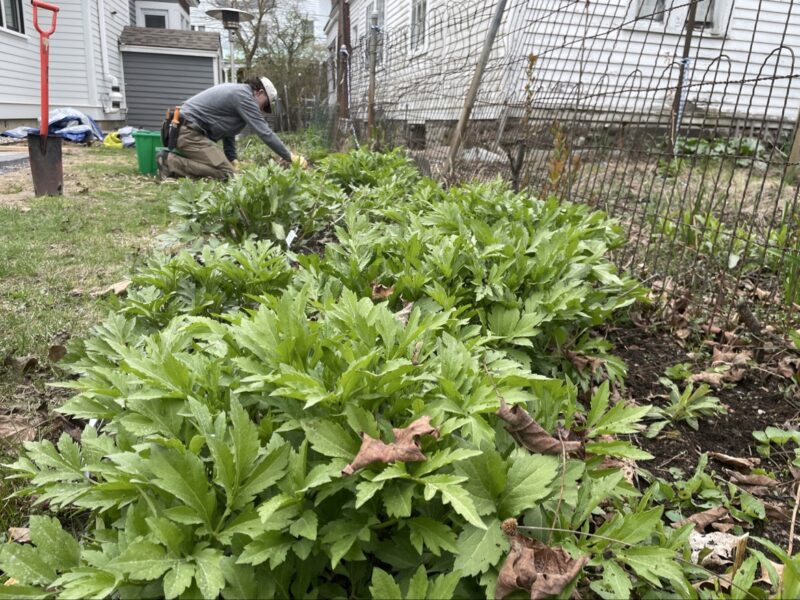
How to Clean Up Without Harming Wildlife.
A wildlife-friendly spring cleanup is more about editing than clearing.
Leave the leaves. Allow fallen leaves to decompose naturally in garden beds. They enrich the soil, conserve moisture, and support wildlife.
Cut back selectively. Trim last year’s perennial stems as new growth emerges. Where practical, leave some standing stems at varying heights for nesting bees.
Skip the aggressive raking. Avoid stripping garden beds down to bare soil. Gently move excess material away from delicate emerging plants when necessary.
Let nature do the work. Old stems and leaves gradually break down, feeding the soil and contributing to a healthier plant community.
A Little Mess Is a Beautiful Thing.
Native gardens aren’t meant to look like traditional, heavily manicured landscapes. Their seasonal changes are part of their ecological value.
By delaying spring cleanup and leaving some natural material in place year-round, you’re helping protect the pollinators and beneficial insects that make your garden thrive.
Start Your Project Today + We’ll Connect Soon!
At Jessecology Eco-Landscaping, we specialize in native garden design, installation, and ecological stewardship throughout Saratoga, Albany, and Schenectady counties and NYS.
Suggested Products


