
Regarding Soil microorganisms: The Tiny Organisms That Keep Our Gardens Alive.
Soil Microorganisms
When we look at a healthy garden, we notice the wildflowers, trees, butterflies, birds and bees. However, underneath all that visible life is another world. Soil microorganisms are constantly working beneath our feet. Without them, our gardens and ecosystems simply could not function.
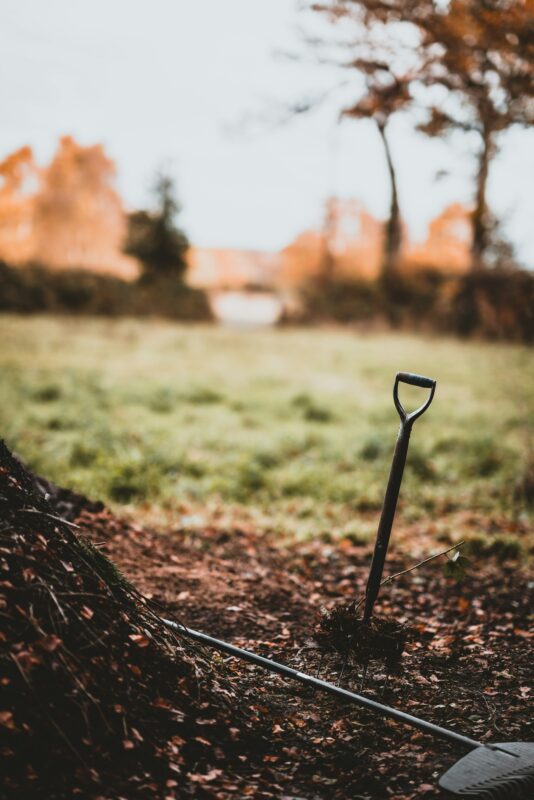
Soil Microorganisms: What are They?
Healthy soil is alive. It contains bacteria, fungi, protozoa, nematodes and many other tiny organisms. Together, they break down dead plants, recycle nutrients, build soil and support plant roots. In fact, some of the busiest biological activity happens directly around roots.
Plants help feed this underground community. Through photosynthesis, plants produce sugars and other carbon compounds. Then, they send some of that energy belowground through their roots. In turn, microorganisms help cycle nutrients that plants need to grow. Therefore, plants and soil life are constantly interacting.
Myccorhizae.
Mycorrhizal fungi are especially fascinating. These fungi form partnerships with the roots of many plants. Their microscopic threads spread through the surrounding soil and help plants access nutrients and water. Meanwhile, the plants provide the fungi with carbon-rich compounds produced through photosynthesis.
(Independent expertise exists because of your support. Affiliate links help our small business at no extra cost to you.)
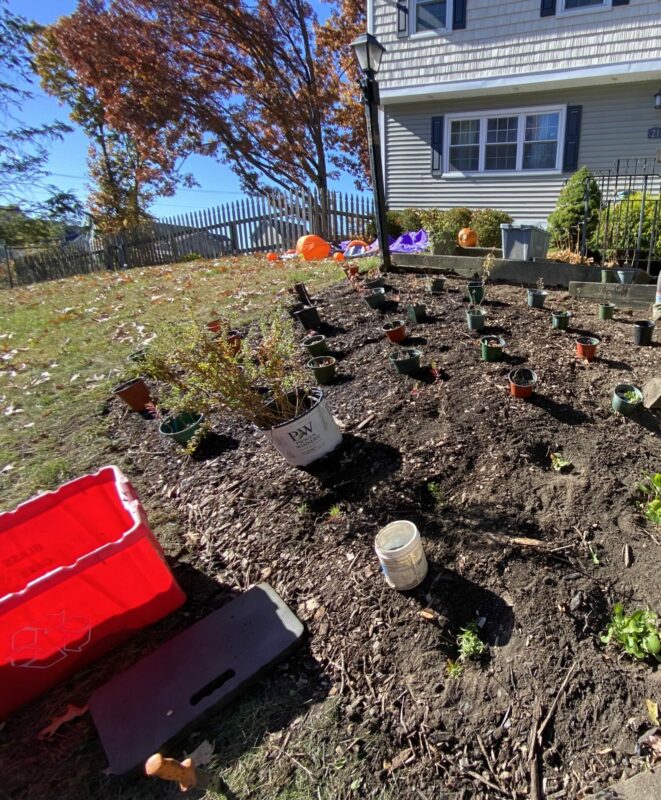
Soil microorganisms also run nature’s recycling system. When leaves fall, roots die or plants decompose, microbes help break that material down. Consequently, nutrients from yesterday’s plants can eventually help support tomorrow’s growth.

This is one reason ecological gardening practices matter. Leaving some fallen leaves, keeping living roots in the ground, adding organic matter and avoiding unnecessary soil disturbance can help protect this hidden ecosystem.
We tend to give the visible creatures and flora all the attention. We celebrate wildflowers, monarchs, hummingbirds and bumblebees. Yet underneath them is an enormous community that rarely gets any credit. The garden we see is only part of the story. The rest of the garden is alive beneath the ground surface.
Suggested Products


