
How to Remove Invasive Plants Without Chemicals
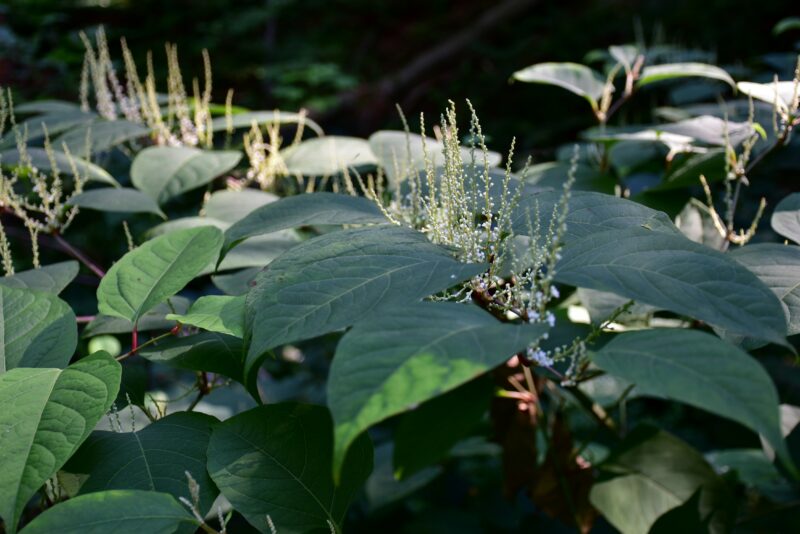
Invasive plants can spread quickly, crowd out native species, and reduce wildlife habitat. However, simply killing the visible plants does not always solve the underlying problem. To remove invasive plants without chemicals, we first need to understand why that particular species is thriving there.
Invasive plants can communicate important information about a site. Their presence may point toward compacted soil, mineral deficiencies, excess nutrients, pollution, erosion, or disrupted water movement. Therefore, interpreting the site’s deficiency-and-toxicity array is a key part of creating an effective management plan.
How to Remove Invasive Plants Without Chemicals: Identify the Plant and Read the Site.
Before removing anything, identify the invasive species correctly. Next, learn how it spreads. Some plants rely primarily on seed, while others travel through roots, runners, or broken stem fragments.
Then look beyond the plant itself. Consider soil moisture, drainage, compaction, past land use, and surrounding vegetation. A soil test can also reveal pH, mineral deficiencies, and possible excesses.
For example, Japanese Honeysuckle may thrive where soil chemistry and plant competition have become unbalanced. Depending on soil-test results, correcting calcium or phosphorus deficiencies may help support a stronger native plant community. However, amendments should always be based on the conditions of that specific site. Adding nutrients without testing can create new problems.
How to Remove Invasive Plants Without Chemicals: Match the Method to the Invasive Population.
Young plants are often easiest to pull after rain, when the soil is moist. Grasp each plant near its base and remove as much of the root system as possible. For established perennials and shrubs, use a shovel or mattock to remove the root crown.
When digging is not practical, repeated cutting can gradually exhaust the plant. Cut every new shoot before it can rebuild the root system or produce seed. One cutting is rarely enough, so plan to return throughout the growing season.
Dense patches may also be smothered with overlapping cardboard and arborist wood chips. Even so, monitor the edges because runners may escape beyond the covered area.
How to Remove Invasive Plants Without Chemicals: Address Water Dysregulation.

Purple Loosestrife offers a useful example of why invasive plant management must be site-specific. It frequently occupies wetlands, shorelines, drainage channels, and other places where water patterns have been altered.
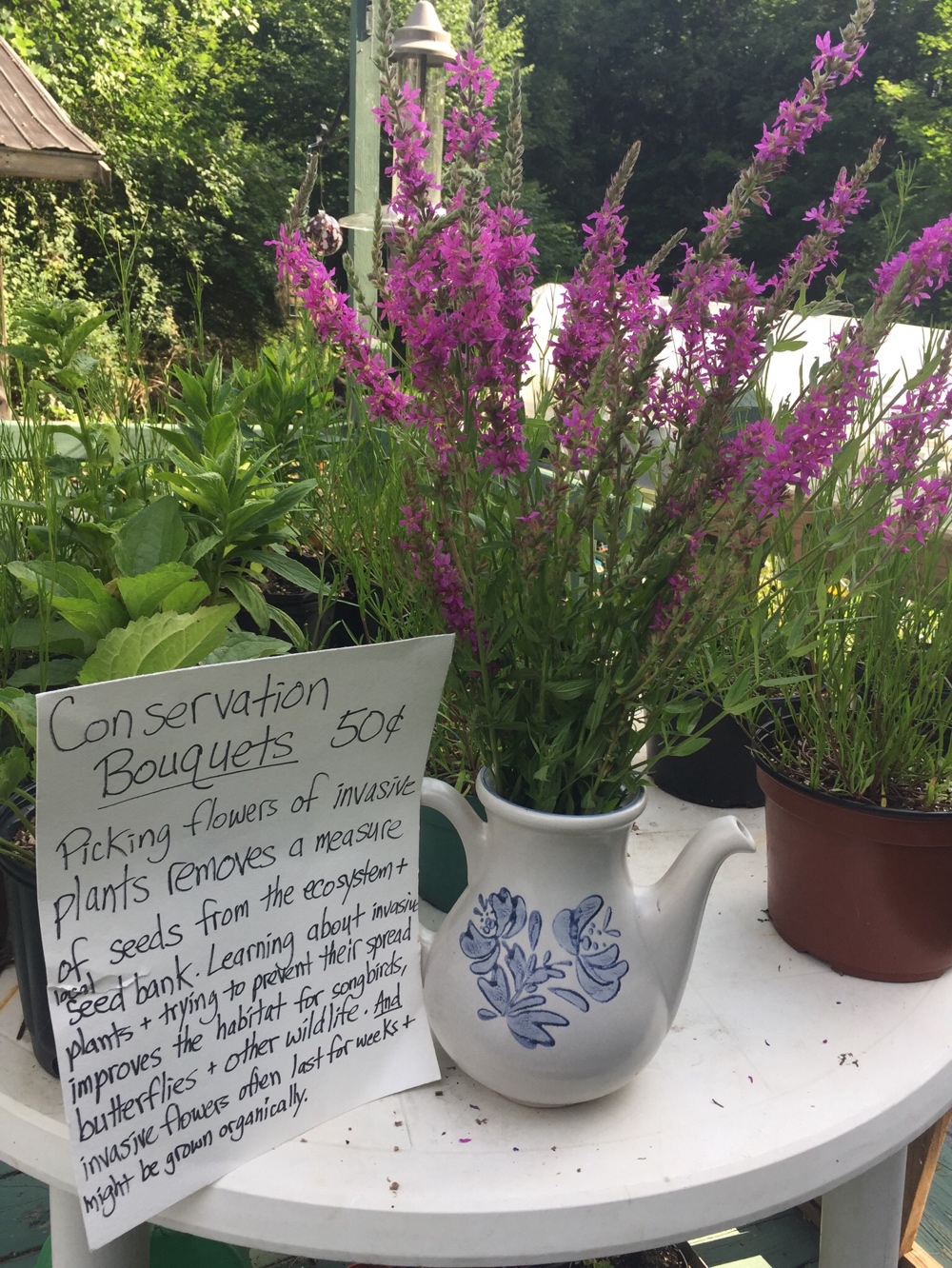
In these situations, pulling plants without addressing water dysregulation may create only temporary results. The management plan should consider whether stormwater inputs, soil disturbance, sediment accumulation, fluctuating water levels, or damaged native plant communities are helping Purple Loosestrife dominate.
Correcting hydrology may not be simple. Still, understanding it can guide the timing of removal and the selection of replacement species.
Phytoremediation: Replant With the Right Native Community.
Bare soil invites reinvasion. After removal, install native plants that match the site’s actual sunlight, soil chemistry, moisture, and water movement. Dense planting helps occupy available space and reduces opportunities for invasive seedlings to establish.
Finally, monitor the site for several years. Remove new seedlings while they are small, observe how the native community responds, and adjust the plan when necessary.
There is no single recipe for how to remove invasive plants without chemicals. Every invasive population reflects a particular combination of plant biology and site conditions. Successful management begins by reading that ecological message and responding with a targeted, species-specific plan.
Suggested Products


