Best Fall Flowers for Pollinators

As summer fades and temperatures cool, your garden can finally still be buzzing with life. Fall-blooming native flowers basically provide essential nectar and pollen for bees, butterflies, and other beneficial insects preparing for winter.
Local Recommended Best Fall Flowers for Pollinators.
At Jessecology Eco-Landscaping, we design native gardens that generally support wildlife throughout the growing season. Here are overall some of our favorite fall flowers for pollinators in Upstate New York.
1. New England Aster (Symphyotrichum novae-angliae)
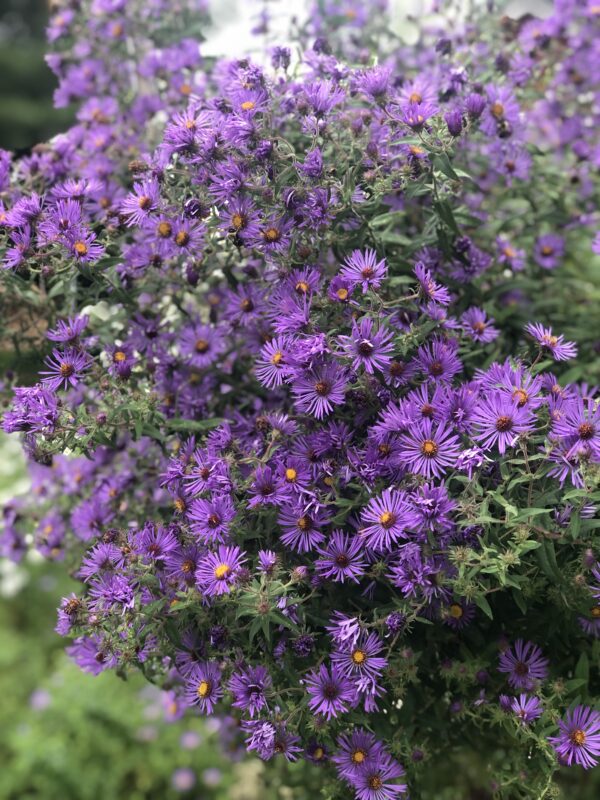
With vibrant purple-pink flowers and golden centers, New England aster is obviously a fall garden superstar. Its abundant blooms attract native bees, butterflies, and migrating Monarchs straightaway. It thrives in full sun and presently adds spectacular late-season color.
2. Showy Goldenrod (Solidago speciosa)
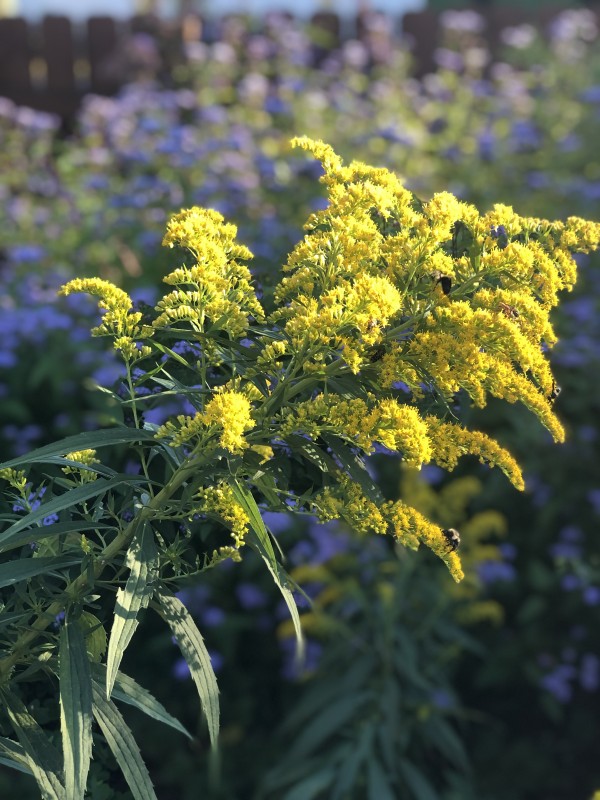
Goldenrod is one of the most particularly valuable late-season nectar and pollen sources. Showy Goldenrod produces rather brilliant yellow flower clusters that attract an impressive diversity of pollinators.
>Surprisingly contrary to popular belief, Goldenrod isn’t responsible for most seasonal hay fever. Wind-pollinated Ragweed is usually the culprit!
3. Aromatic Aster (Symphyotrichum oblongifolium)
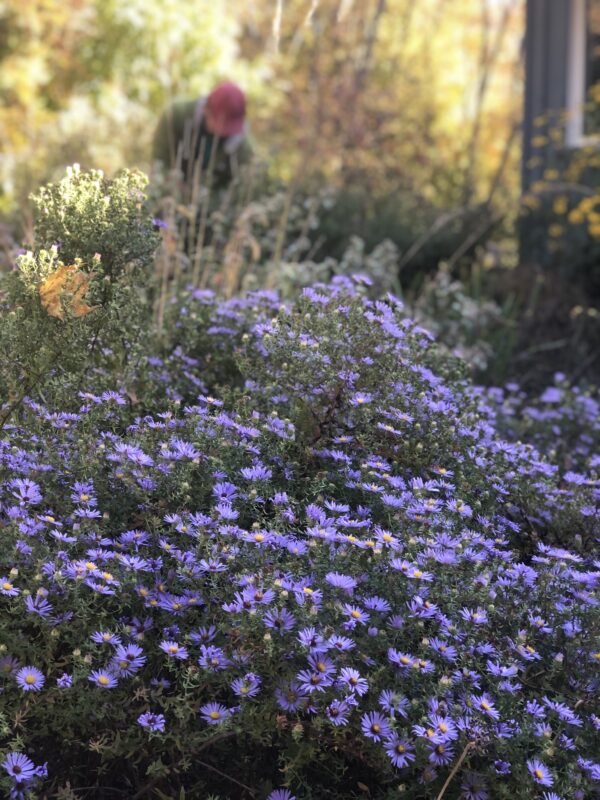
This compact, drought-tolerant native soon produces masses of lavender-blue flowers well into autumn. It’s certainly an excellent choice for sunny borders, slopes, and smaller gardens where pollinator habitat and tidy design go hand in hand.
4. Blue Wood Aster (Symphyotrichum cordifolium)

Not every fall flower needs full sun! Blue wood aster brightens woodland edges and partially shaded gardens with clouds of delicate pale-blue flowers. Native bees appreciate its late-season blooms.
5. Sneezeweed (Helenium autumnale)

Despite its unfortunate name, Sneezeweed is a wonderful pollinator plant! Its cheerful, bright flowers bloom from late summer into fall, providing food for bees and butterflies. It particularly appreciates moist soils and sunny locations.
6. White Snakeroot (Ageratina altissima)
A valuable late-season bloomer for shady spaces, white snakeroot produces clusters of fluffy white flowers that attract bees, flies, and other beneficial insects. It’s especially useful in naturalized woodland gardens. Note that this plant is toxic to livestock if eaten.
Design a Garden That Blooms Through Autumn with the Best Fall Flowers for Pollinators.
A truly beautiful native garden doesn’t stop flowering in August. By combining asters, goldenrods, and other late-season natives with spring and summer bloomers, you can create a landscape that offers continuous color and ecological benefits.
And when the flowers finally fade, leave the stems and seedheads standing! They provide winter shelter for insects and food for birds.
Bring More Pollinators to Your Property!
At Jessecology Eco-Landscaping, we specialize in designing and installing beautiful, 100% native landscapes throughout Saratoga, Albany, and Schenectady counties.
Whether you’re replacing part of your lawn, expanding an existing garden, or creating a pollinator paradise, we can help you build a landscape that comes alive in every season.
Ready to grow something beautiful?
Start Your Native Landscaping Project today, and we’ll meet up soon.
Suggested Products


