
What to Do With Leaves in the Fall: 5 Eco-Friendly Alternatives to Raking.
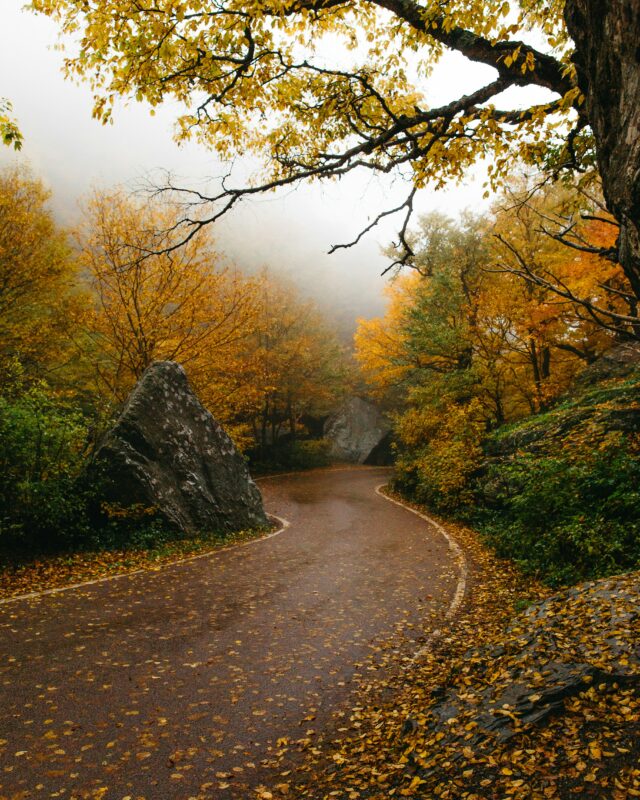
Every autumn, millions of fallen leaves are raked, bagged, and hauled away as yard waste. But those leaves are anything but waste. They’re a valuable natural resource that can nourish your soil, protect your plants, and provide essential wildlife habitat.
What to Do With Leaves in the Fall: 5 Eco-Friendly Alternatives to Raking.
Before reaching for the leaf blower, consider these five ways to put fall leaves to work in your landscape.
1. Leave the Leaves for Wildlife.
Fallen leaves create a protective blanket where butterflies, moths, beneficial insects, and other small creatures spend the winter. Many pollinators depend on this shelter to survive until spring.
Whenever possible, allow leaves to remain beneath trees, shrubs, and garden beds. Avoid shredding leaves in areas intended for wildlife habitat.
2. Use Leaves as Free Garden Mulch.
Autumn leaves make excellent natural mulch. Spread them around trees, shrubs, and perennial gardens to help retain moisture, moderate soil temperatures, and suppress weeds.
Keep thick piles away from plant crowns and tree trunks. A loose, breathable layer is ideal.
3. Make Leaf Mold.
Leaf mold is simply decomposed leaves, and it’s one of nature’s best soil conditioners.
Collect leaves in a wire enclosure or breathable pile, keep them slightly moist, and allow fungi and microorganisms to break them down. Over time, you’ll have a dark, crumbly material that improves soil structure and moisture retention.
4. Compost Your Extra Leaves.
Dry leaves are a wonderful carbon-rich ingredient for compost. Mix them with nitrogen-rich materials such as grass clippings, vegetable scraps, or fresh garden trimmings.
The finished compost can enrich garden beds and support healthy plant growth without synthetic fertilizers.
5. Rethink Your Fall Yard Cleanup.
You don’t have to leave every leaf exactly where it falls. Thick, matted leaves can smother turfgrass, block drains, and create slippery walkways.
Instead of bagging everything, relocate excess leaves into woodland edges, shrub borders, or garden beds. This keeps functional spaces clear while returning organic matter to the landscape.
A Healthier Landscape Begins With the Leaves.
At Jessecology Eco-Landscaping, we believe beautiful gardens should work with nature, not against it. Our native plant gardens are designed to support biodiversity throughout every season, including the quiet months when wildlife shelters beneath fallen leaves.
Serving Saratoga Springs, Ballston Spa, Albany, Schenectady, and surrounding communities, we help homeowners transform conventional yards into thriving native landscapes.
Ready to create a more beautiful, wildlife-friendly yard? Start Your ProjectStart Your Project with Jessecology Eco-Landscaping today and your native garden transformation will begin shortly!
Suggested Products


