
The 70/30 Planting Rule: What do Ecologists Think?
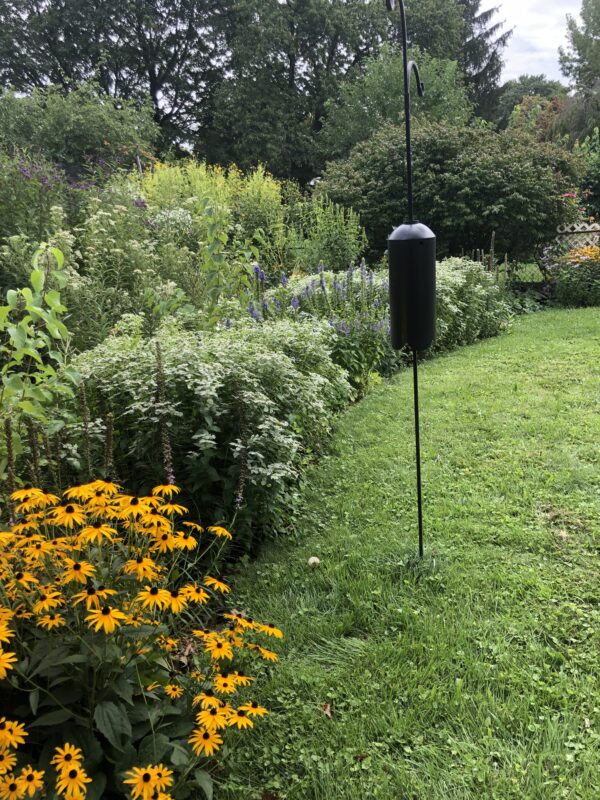
“The 70/30 Planting Rule” is suddenly everywhere. Trendy garden designers are recommending that landscapes contain 70% native plants and 30% introduced plants—as though sacrificing nearly one-third of a garden’s ecological potential is a reasonable goal.
Why Be Skeptical of The 70/30 Planting Rule?
If we are talking about perennial plants, natives are the safest choice. Full stop.
Today’s Well-Behaved Plant Can Become Tomorrow’s Invasive.
A plant’s journey from ornamental curiosity to ecological catastrophe can be slow and mysterious. Japanese honeysuckle, for example, spent 8 decades in American cultivation before becoming pervasive across the landscape. Currently, tremendous amounts of public and private money are spent attempting to control invasive plants that were once deliberately sold and planted.
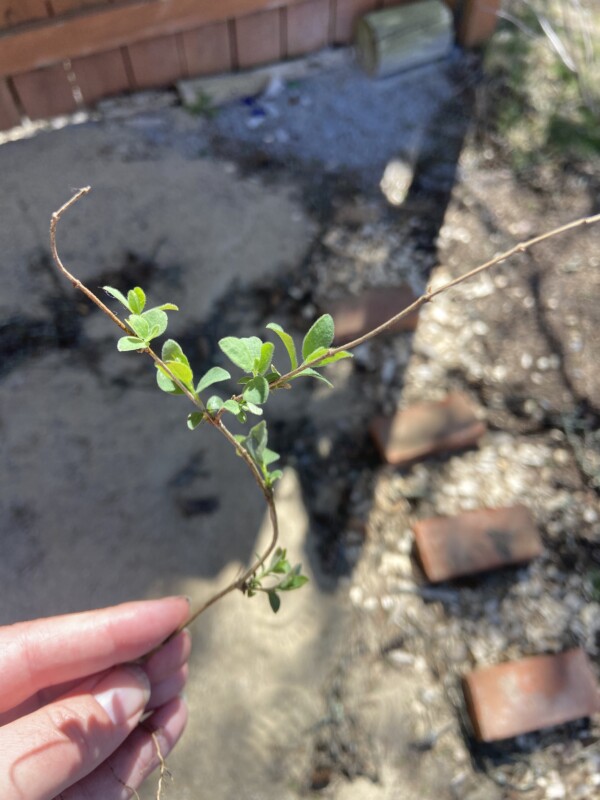
Plants do not follow our timelines. An introduced perennial may appear docile for generations while it adapts, spreads quietly or waits for the right environmental conditions. By the time we recognize the damage, eradication may be impossible. Why knowingly keep repeating this experiment?
Annuals are Different, and not really a part of The 70/30 Planting Rule.
Does this mean every garden must be an ideological purity test? No. Annuals are different. Plant your Zinnias. Grow Dahlias, Cleome, Coleus and Cosmos. Put an Elephant Ear in a container. Feel free to grow some Basil by the kitchen door.
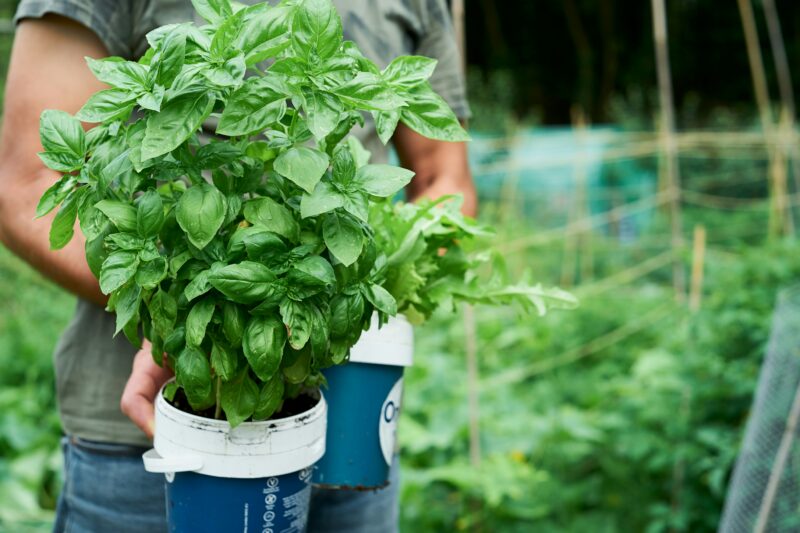
Most familiar nonnative annuals cannot survive a northeastern winter or establish persistent wild populations. Used thoughtfully, they are unlikely to become tomorrow’s ecological emergency.
The concern is not an occasional pot of annual color. It is dedicating 30% of our permanent garden space to introduced perennials when we have extraordinary native options available.
What About Naturalized Plants?
A small number of introduced plants have been present for a very long time without becoming major ecological aggressors in our region. Daffodils are one familiar example. Mullein is another long-established plant commonly seen in disturbed landscapes, although its behavior varies by region.
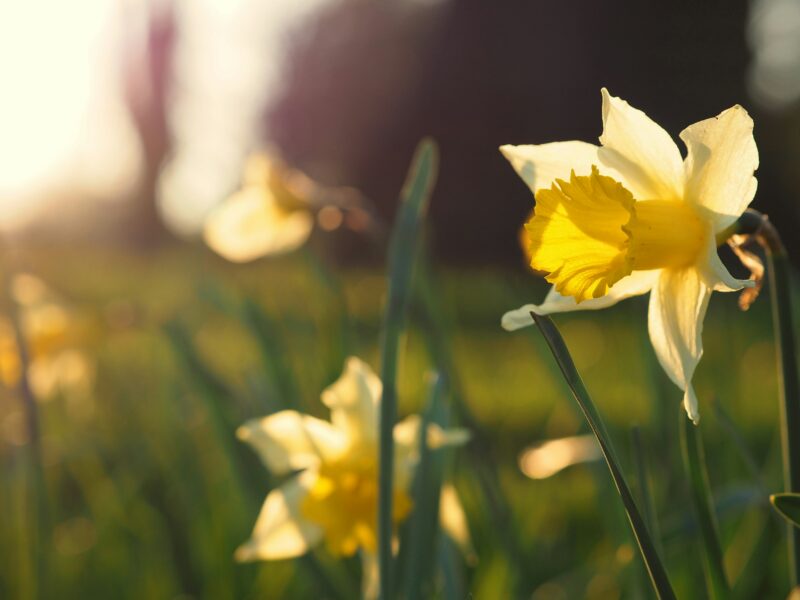
“Naturalized,” however, should never be treated as a synonym for native—or as automatic proof that a plant is harmless. It takes long observation across landscapes and generations before we can begin to understand how an introduced species behaves.
This is a narrow exception, not permission to fill 30% of every garden with whatever happens to be fashionable at the nursery.
Introduced Plants Don’t Replace Native Relationships.
A nonnative flower may offer nectar to a generalist pollinator. That does not mean it performs the ecological work of a native plant.
Native plants participate in intricate relationships developed over immense spans of time. Their leaves, stems, seeds, pollen and roots support insects, birds, fungi and soil organisms in ways we are still discovering.
Specialist insects are especially vulnerable. Caterpillars may depend on a narrow group of host plants and use specific chemical signals to locate them. Filling a landscape with unfamiliar relatives or decorative substitutes can dilute those signals and make uncommon native hosts—such as Zizia species—harder to find.
“Something is visiting the flowers” is not the same as “this plant is supporting the ecosystem.”
The Opportunity Cost is
The Greatest Problem.
Every introduced perennial occupies space that could have supported a native species.
And when designers reserve only 70% of a garden for natives, which natives are most likely to be cut? Usually, it is not the familiar, easy-to-source species. It is the more obscure plant. The slower plant. The plant that requires patience, protection or a committed grower.
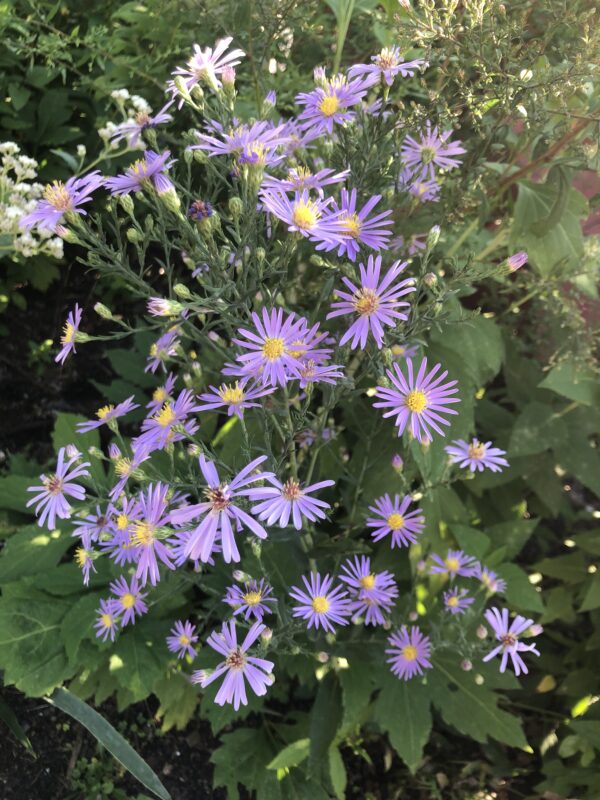
Consider some of our native Asters. There’s over 30 NY native Aster species. Many are commonly sold at garden centers. However, Sky Blue Aster, Smooth Aster and Showy Aster are drop-dead gorgeous, and rarely seen in gardens. Obviously, they are often skipped because rabbits may browse them heavily while the plants are young.
What happens when nobody is willing to defend that last 30% of growing space?
These species begin disappearing—not only from gardens, but from commercial availability, local seed banks and our shared horticultural vocabulary. When nobody requests them, nurseries stop growing them. If nobody grows them, fewer people recognize them. As it happens: nobody recognizes them, then nobody notices when they disappear.
And what about Compass Plant? What about the strange, magnificent and increasingly unfamiliar members of our own regional flora?
Native biodiversity means more than planting the same five dependable species repeatedly. It means protecting a rich variety of native plants—including the difficult, unusual and less marketable ones.
Keep the Basil. Skip the Hosta.
Ecologists aren’t coming for your vegetable garden or your pot of elephant ears.
But Japanese Meadowrue, Daylilies, Ligularia, Hostas, nonnative Anemones and other introduced perennials do not deserve 30% of our permanent garden space simply because a fashionable formula says they do.
The 70/30 Planting Rule may sound progressive compared with conventional landscaping. But when we already know how much habitat has been lost, why make 70% the finish line?
Plant the beautiful, rare Asters, and then protect them from the rabbits. Ask nurseries for the obscure native species. Make room for Compass Plant. Build the whole renewed biodiverse local ecosystem we can’t even dream of yet, don’t hold back.
Suggested Products


