The Rhythm of Growth
What to Expect from a Native Wildflower Garden Over Time.
Native wildflower gardens do not behave like conventional landscapes. They are not designed for instant fullness or visual uniformity. Instead, they unfold gradually, following ecological timing rather than human impatience. Understanding this progression helps set realistic expectations and allows you to appreciate the rhythm of growth as it plays out over years, not weeks.
Year One in the Rhythm of Growth: Establishment
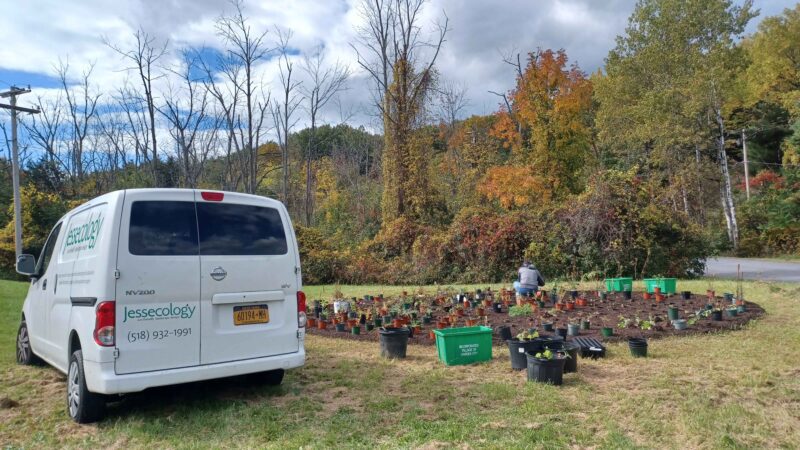
The first growing season often surprises people. While plants are visible above ground, most of the real work is happening below the soil surface. Roots are expanding, anchoring, and forming relationships with soil organisms. Above ground growth may appear sparse or uneven, and some weeds may still emerge as disturbed soil settles. This phase can feel quiet, but it is foundational. During this stage, The Rhythm of Growth prioritizes root strength and long-term stability over visual impact.
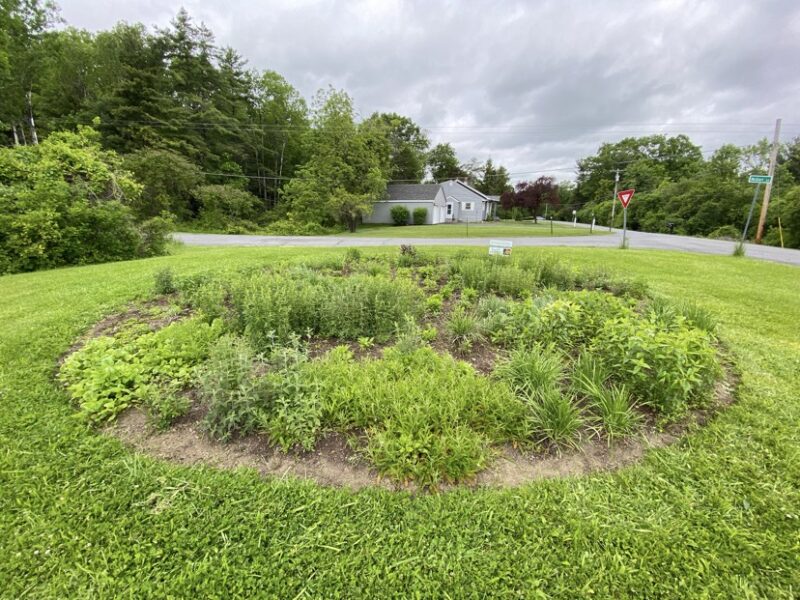
Year Two: Expansion.
By the second year, the garden begins to show confidence. Perennials return with stronger structure, fuller foliage, and more reliable flowering. Plants spread laterally, filling in open spaces and competing more effectively with weeds. Seasonal patterns become clearer, and bloom timing starts to feel intentional rather than accidental. This is often when gardeners begin to recognize The Rhythm of Growth as something predictable rather than chaotic.
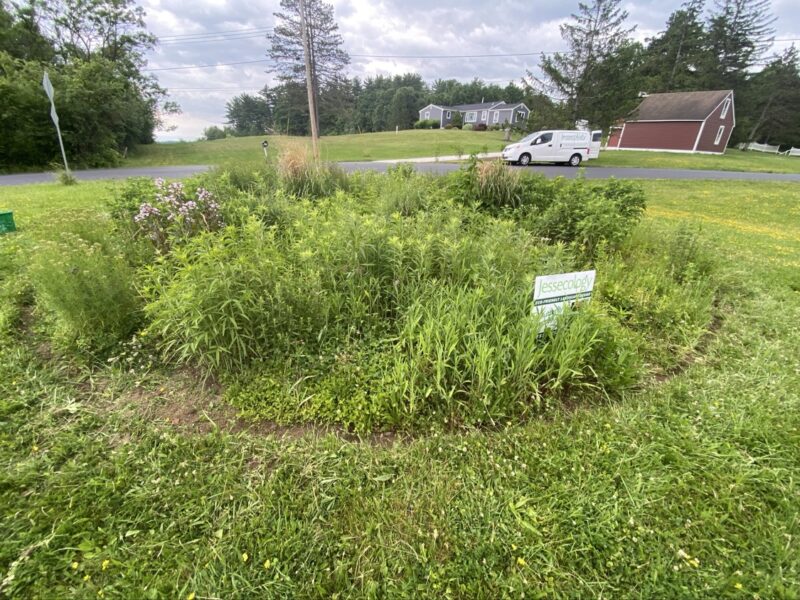
Year Three and Beyond: Maturity.
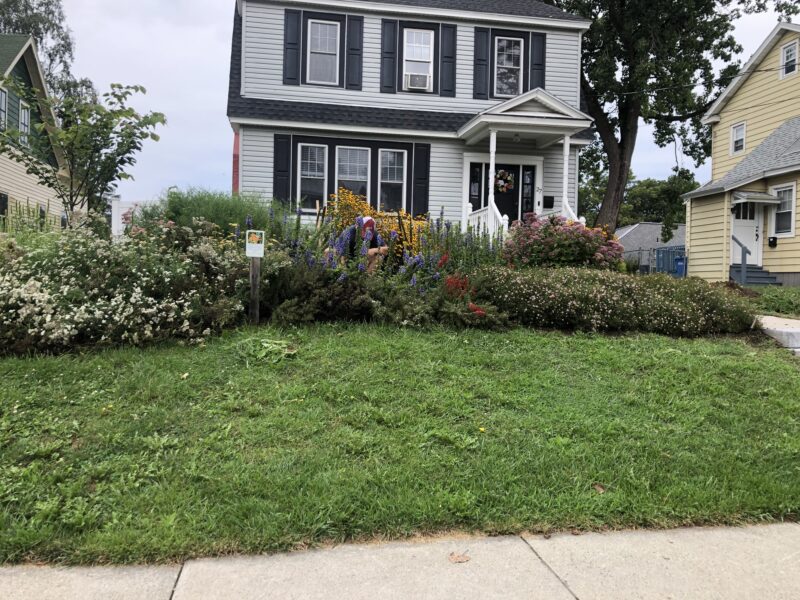
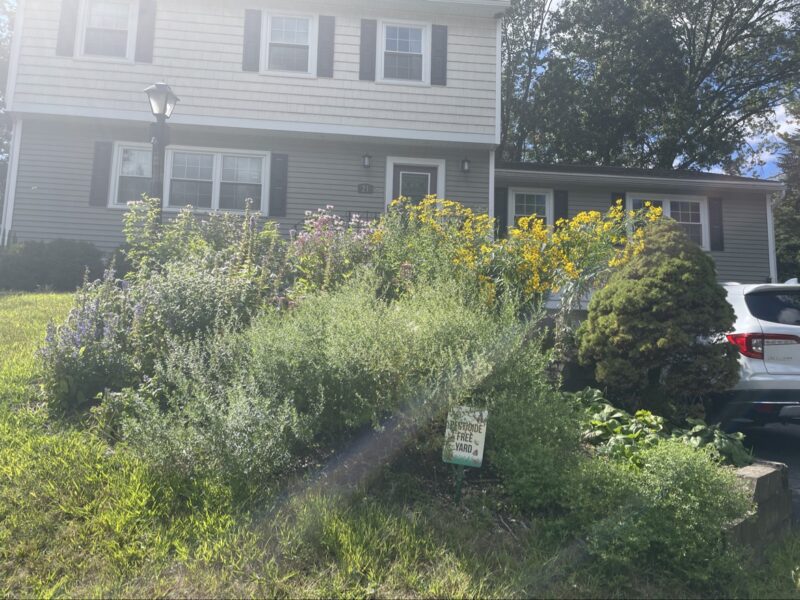
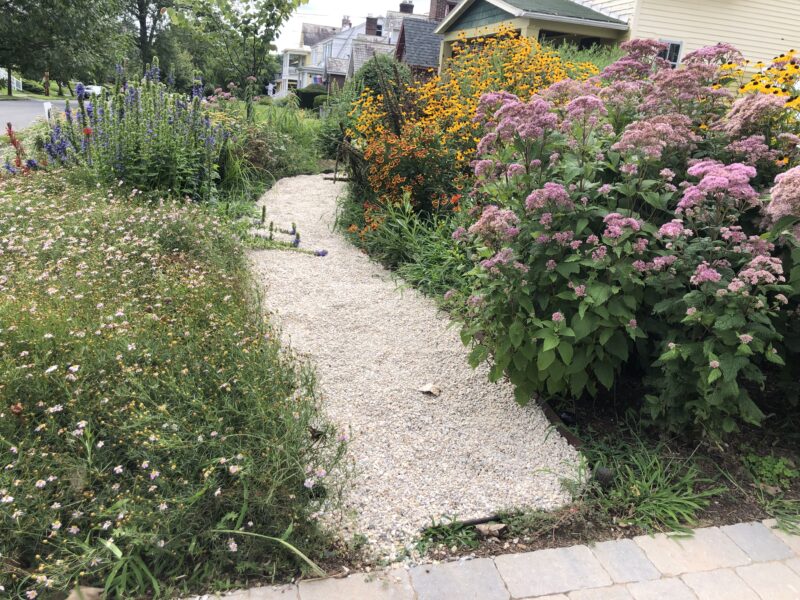
A mature native wildflower garden feels cohesive and resilient. Plants occupy defined niches, succession stabilizes, and bloom sequences repeat year after year with subtle variation. Wildlife activity increases, soil health improves, and maintenance needs decrease. At this point, the rhythm of growth expresses itself through balance instead of rapid change.
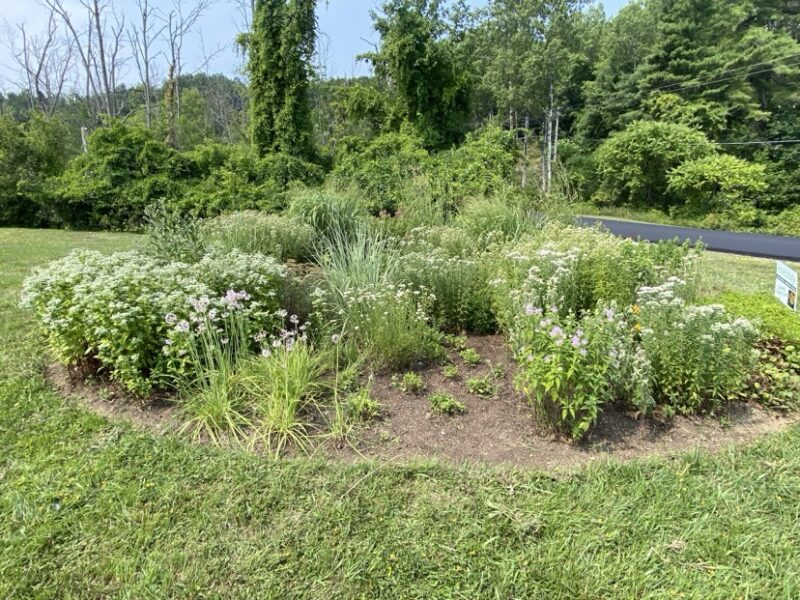
Why Patience Matters.
Native landscapes reward observation more than intervention. Early impatience can lead to unnecessary replanting, over-mulching, or disruption of natural processes. When expectations are aligned with the rhythm of growth, the landscape becomes easier to care for and far more meaningful.
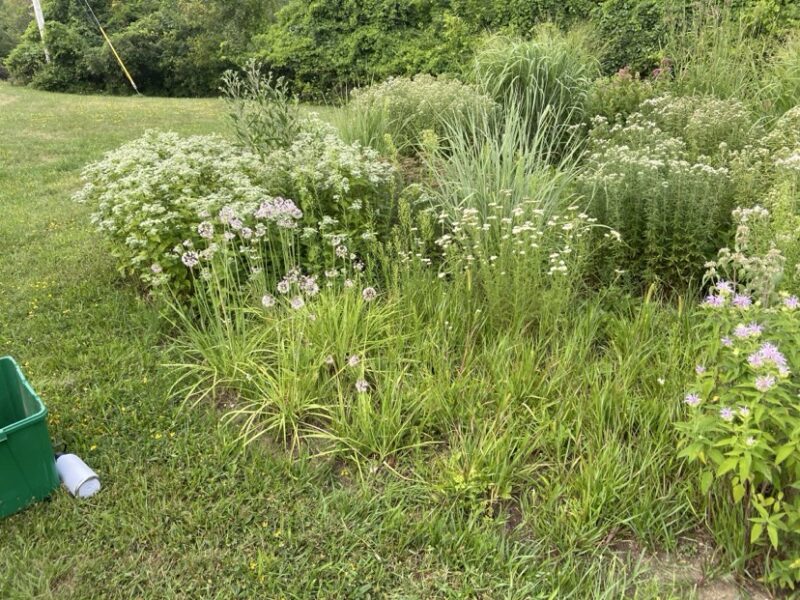
A native wildflower garden is not a finished product. It is a living system that reveals its beauty over time.
Certainly, Jessecology would love to build a natural garden for your NYS property!! Start Your Project now and we’ll be in touch soon.
Suggested Products