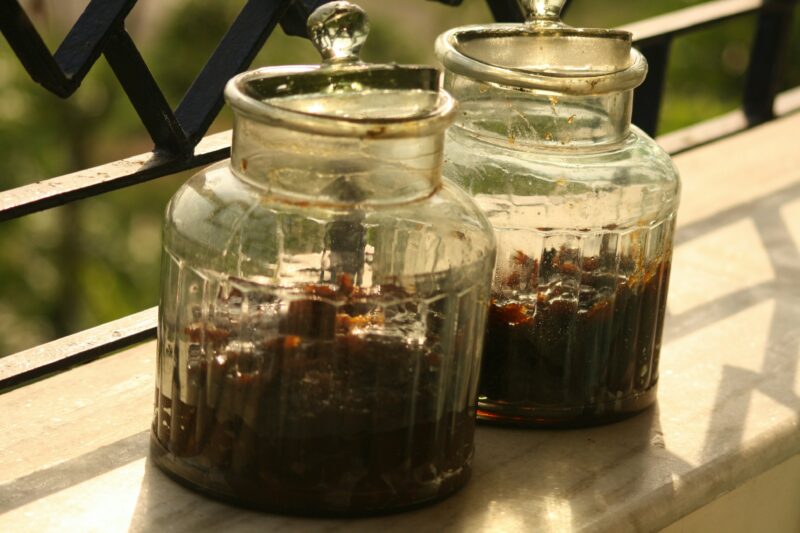
Compost Tea: The Garden’s Magic Water If there’s one panacea solution to most garden problems, it might be compost tea. This “magic water” is made by steeping finished compost in water. Aeration and a bit of molasses help feed the microbes and bring the mix to life. Microbial Density off the charts: The result is […]
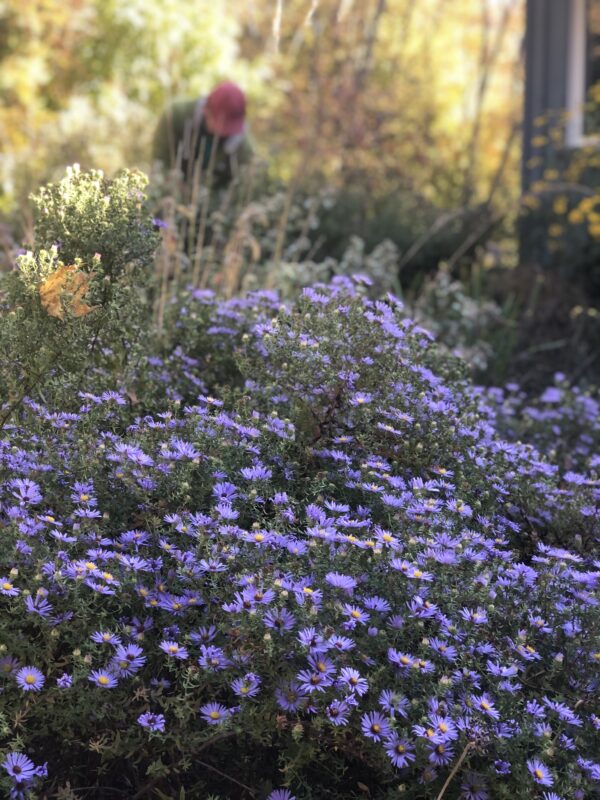
Perennials to plant in fall. Book an estimate now. Cooperate with nature. When you plant your garden in fall, you mimic nature’s rhythm exactly. Cooperating with nature makes all the garden work much easier. In autumn, the visible parts of perennials are beginning to go dormant. But underground? The roots are stimulated by the lower
Perennials to plant in fall Read More »
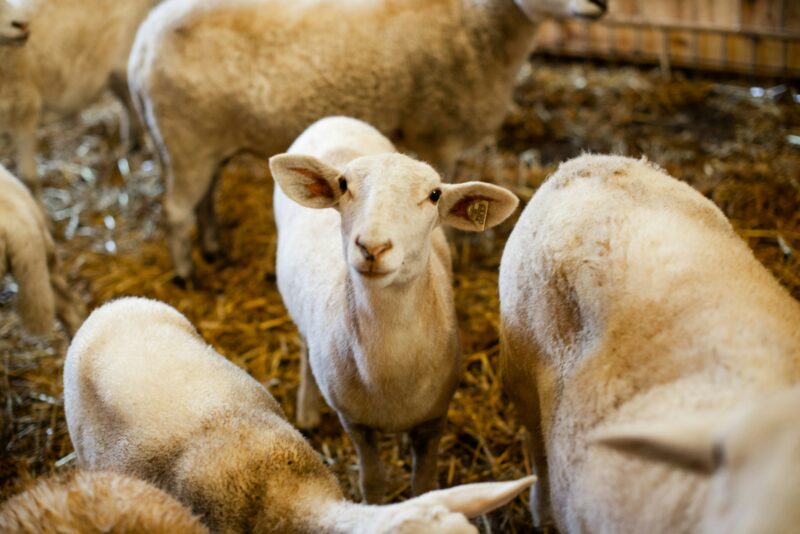
Homesteading: Living Closer to the Land Homesteading in modern America is a definite lifestyle trend. Although this may be true, it is also a return to living in harmony with the land. Many people choose homesteading to grow their own food, raise animals, and reduce dependence on industrial supply chains. At Jessecology, we see homesteading
Apple Picking in Upstate NY: Top 5 Places to Visit. Top 5 Apple Picking Farms to Visit. 1. Your own backyard. Seriously, why not? Plant some apple trees today and soon you’ll never need to leave home for apple picking. You can do the planting yourself or hire a professional. 2. Saratoga Apple. Located in
Apple Picking in Upstate NY Read More »
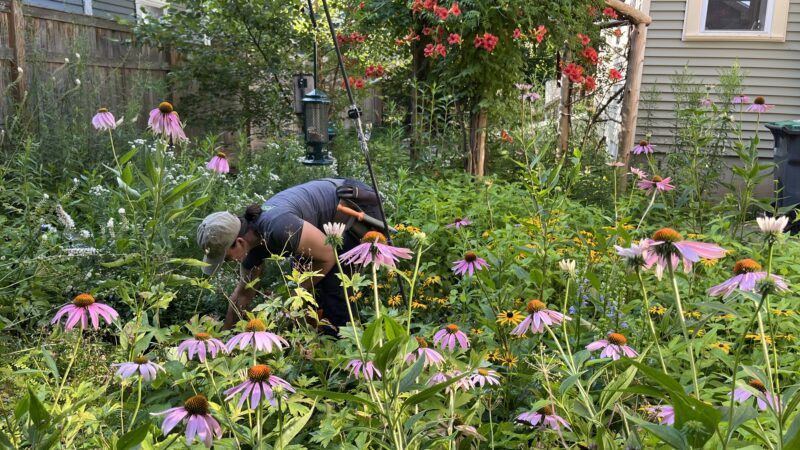
Low Maintenance Modern Front Yard Landscaping Low maintenance front yard landscaping is a new communication tool to indicate who’s cool in neighborhoods, in recent years. People have learned that landscaping doesn’t need to be high maintenance and involve chemicals at all. The earth wants to express beauty. Steering it is possible if you hire professionals
Low Maintenance Front Yard Landscaping Read More »
Sustainable Gardening/Landscaping: The 5 Principles. Sustainable Gardening/Landscaping: The 5 Principles: Part I. When explicitly distilled down to basics, responsible landscaping is actually pretty simple. Sticking to the 5 “best practice” principles for eco-landscaping especially empowers gardeners to physically create a better world through their work. Continuing education regarding plant literacy coupled with a willingness to
Sustainable Gardening/Landscaping: 5 Principles. Part I Read More »
Invasive plant species New York. Invasive Plant Species in New York: What to Watch For. Invasives are certainly a growing problem across New York State. These non-native plants spread aggressively, soon outcompeting native species, disrupting ecosystems, and reducing biodiversity. Whether you’re a homeowner, land manager, or nature lover, it’s important to know which plants to
Invasive plant species New York Read More »
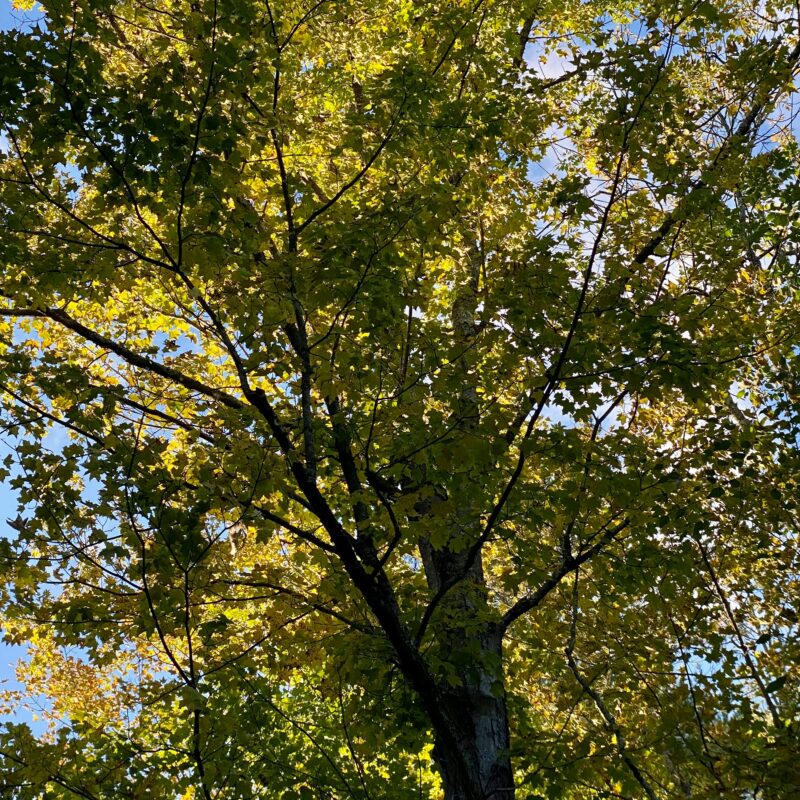
How is Maple Syrup made? Maple syrup is one of nature’s sweetest gifts, and its creation is a beautiful process rooted in seasonal rhythms and careful timing. Made from the sap of Sugar Maple trees, this delicious syrup is collected, boiled, and bottled through a series of simple but precise steps. The process begins in
How is Maple Syrup made? Read More »
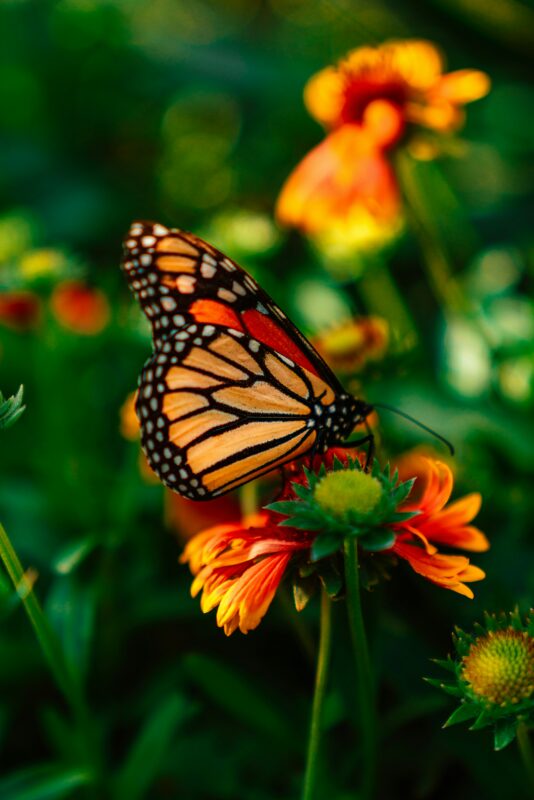
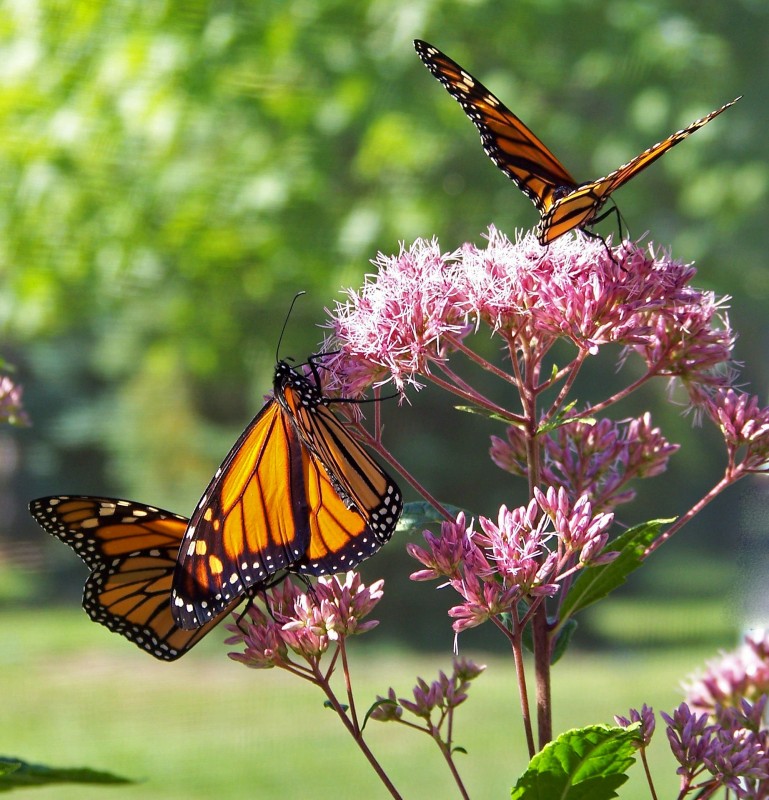
Are Butterflies Pollinators? Yes—butterflies are pollinators! While bees tend to get most of the credit for pollination, butterflies also play a crucial role in maintaining healthy ecosystems. Additionally, butterflies help plants reproduce. Their long, slender legs and proboscis (a straw-like tongue) allow them to access nectar deep within flowers, transferring pollen from bloom to bloom
Are Butterflies Pollinators? Read More »
Joe Pye (Eupatorium sp.) Joe Pye Weed: A Pollinator Magnet with Surprising Diversity If you’ve spent any time exploring native meadows, wet ditches, or sunny woodland edges in eastern North America, you’ve likely encountered Joe Pye Weed. With its towering stems crowned by dusky mauve flower clusters, this charismatic perennial is a favorite of bees,
Joe Pye (Eupatorium sp.) Read More »
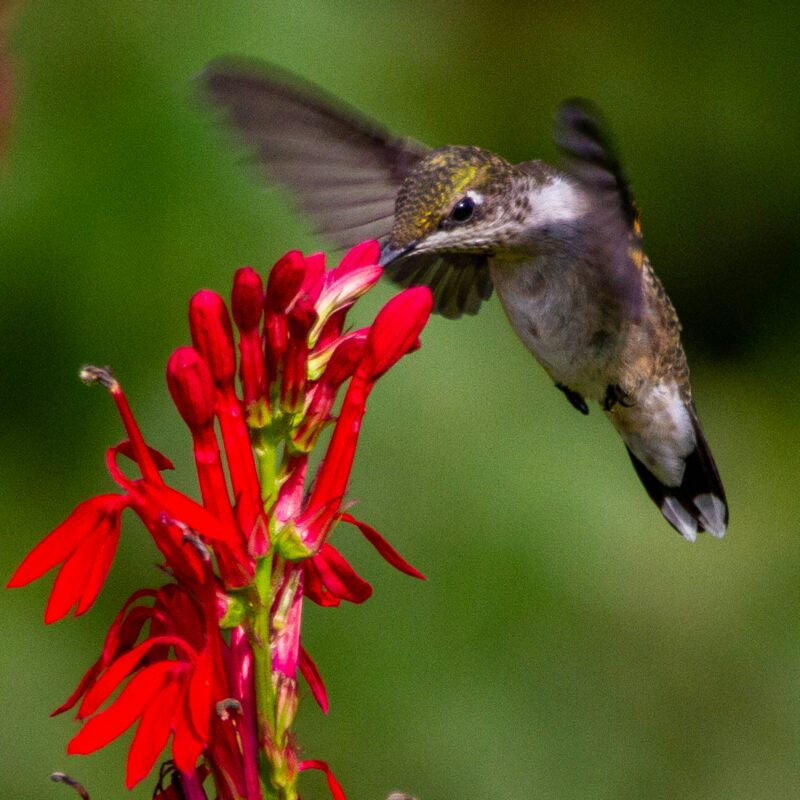
Cardinal Flower Lobelia (Lobelia cardinalis) Cardinal Flower Lobelia: The Heartbreaker Native Plant If you’ve ever fallen in love with one lone native plant, chances are it was Cardinal Lobelia (Lobelia cardinalis). With its brilliant red blooms and magnetic pull for hummingbirds, it’s often called the “gateway drug” to native gardening. But like many intense first
Cardinal Flower Lobelia (Lobelia cardinalis) Read More »
Buying Native Plants. Why Buying Native Plants from a Local, Organic Nursery Sets Your Garden Up for Real Success. When you’re planning a native plant garden, where you buy your plants matters—a lot. Sure, mail-order catalogs might seem convenient. But if you’re looking for true success, resilience, and long-term beauty in your landscape, there’s no
Buying Native Plants Read More »
Organic Garden Pest Control A Jessecology Guide to Organic Garden Pest Control. Safe for Pollinators, Pets, and People. At Jessecology, we certainly believe healthy landscapes don’t need toxic chemicals. Organic pest control is not only safer for pollinators, pets, and people—it’s obviously also more effective long-term when paired with regenerative landscaping practices. Here’s a concise,
Organic Garden Pest Control Read More »
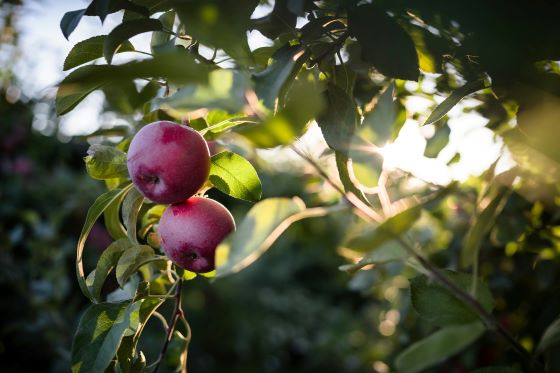
Front Yard Permaculture. Front Yard Permaculture: Beauty Meets Regeneration. The front yard is more than just curb appeal—it’s a living opportunity for regeneration, biodiversity, and beauty. Traditional permaculture sometimes gets a bad rap for looking messy or unkempt. But with native wildflower literacy and thoughtful design, we can create front yard permaculture landscapes that are
Front Yard Permaculture Read More »
Why is Biodiversity Important? Biodiversity is the living tapestry of our world. It’s the mysterious connections between soil and mycorrhizae, the sophisticated nuance of natural forest succession, the puzzle pieces and patchwork quilt tapestry of healthy nature. When we talk about biodiversity, we’re talking about resiliency and physical life itself—interconnected, vibrant, and dynamic. But in
Why is Biodiversity Important? Read More »
Plants That Repel Ticks Naturally If you’re trying to enjoy your garden without worrying about ticks, you’re not alone. Ticks can carry serious diseases like Lyme, and they thrive in moist, shady areas. Fortunately, nature offers a solution—many plants contain oils and scents that naturally repel ticks. Tick-Repelling Plants to Try Everybody loves a classic
Plants that repel Ticks Read More »
Meadowscaping for Biodiversity Meadowscaping for Biodiversity: A Garden That Gives Back. Meadow construction is a powerful way to bring beauty and biodiversity to your yard while restoring ecological health. Unlike traditional lawns that offer little habitat, meadows support pollinators, birds, and beneficial insects—all while being lower maintenance and more climate-resilient. Native grasses and prairie plants
Meadowscaping for Biodiversity Read More »
Benefits of Composting Composting is one of the most powerful and accessible acts of environmental care we can practice. Every day, we take from the soil. We eat plants that grew from it. We step on it, build over it, till into it and ask it to give more and more. But how often do
Benefits of Composting Read More »
Wildflower Seeds. How our Wildflower Seeds are different. Most “wildflower seed” mixes available on the market today utilize a blend of annuals + introduced plants, sometimes including a tiny smidgen of the most common indigenous perennial species. In contrast, our small batch, locally grown seed vault is composed of 100% native species perennials, 100% of
What Is Permaculture? A Beginner’s Guide to Sustainable Living. Permaculture is a design philosophy that works with nature rather than against it. Rooted in ethics and principles that prioritize sustainability, permaculture integrates agriculture, ecology, and community development to create systems that regenerate rather than deplete resources. Whether you’re growing food, designing a landscape, or planning
What is Permaculture? Read More »