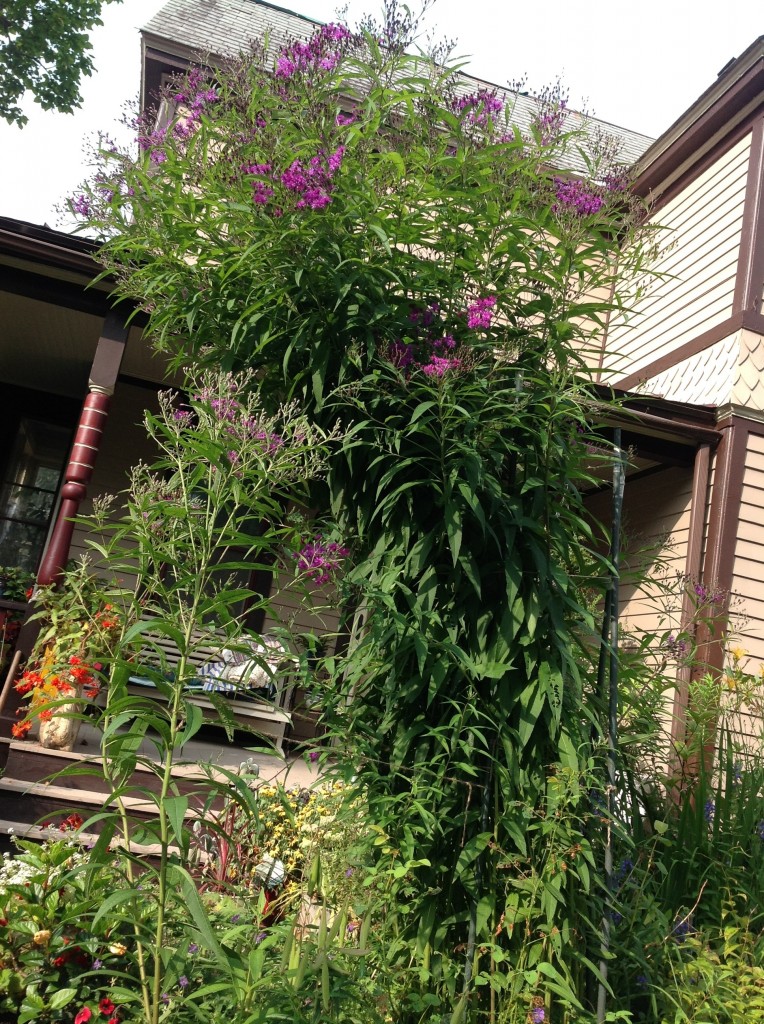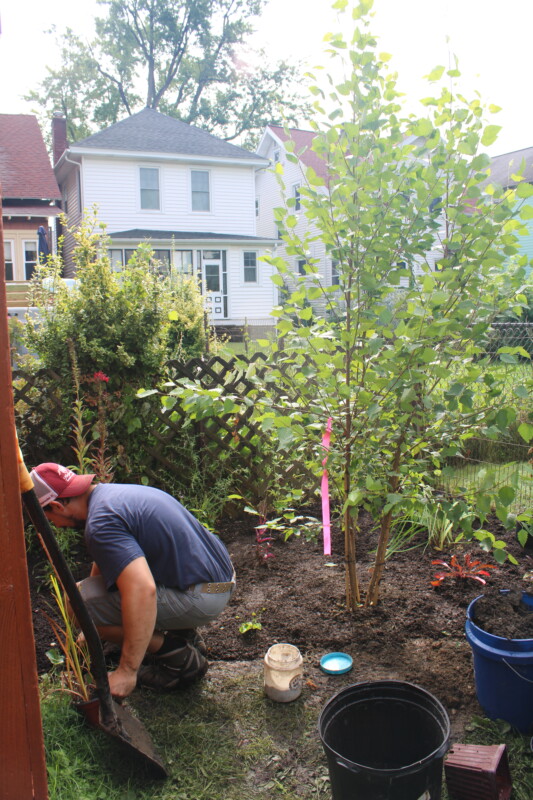
Native Plants for New York: More Than a Pretty Garden
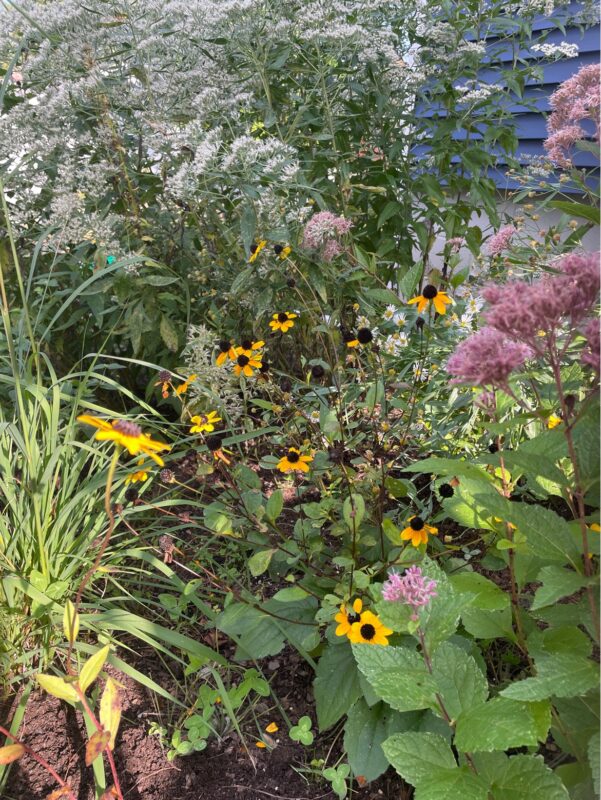
Native plants are obviously having a moment. They appear on municipal planting lists, at garden centers, in glossy magazines, and certainly all-over social media. But native plants are not simply a new gardening style. They are living parts of an ancient, highly interconnected system, and when we return them to our landscapes, they can begin doing real ecological work.
For New York homeowners, planting native species is one of the most direct ways to turn ordinary land into functioning habitat. A yard does not need to be vast or wild to matter. A foundation bed, rain garden, hedgerow, woodland edge, or former patch of lawn can all contribute to ecosystem repair.
The key is to look beyond flowers alone. A truly ecological landscape provides food, shelter, breeding sites, nesting materials, safe passage, and places to overwinter. It is also designed around relationships.
Native Plants for New York: Host Plants. Where the Next Generation Begins.

Pollinator gardening is often altogether described as “feeding the bees and butterflies.” That is important, but adult nectar is only one part of an insect’s life cycle.
A host plant is a plant on which an insect lays its eggs and its young can feed. Many insects have evolved alongside a limited group of plants and cannot complete their life cycle without them. A butterfly may visit many flowers for nectar yet accept only one plant family—or even one plant species—as food for its caterpillars.
The familiar example is milkweed and the monarch butterfly. Adult monarchs drink nectar from many kinds of flowers, but monarch caterpillars can eat only milkweeds. No milkweed means no next generation of monarchs.
This relationship extends far beyond monarchs. New York’s native oaks support a tremendous diversity of caterpillars. Native cherries, willows, birches, asters, goldenrods, violets, sedges, and grasses all serve as host plants for particular insects. Those insects, in turn, become essential food for birds and other wildlife.
A host plant is therefore not merely “bug food.” It is the beginning of a food web.
Nectar Plants: Fuel Across the Seasons.
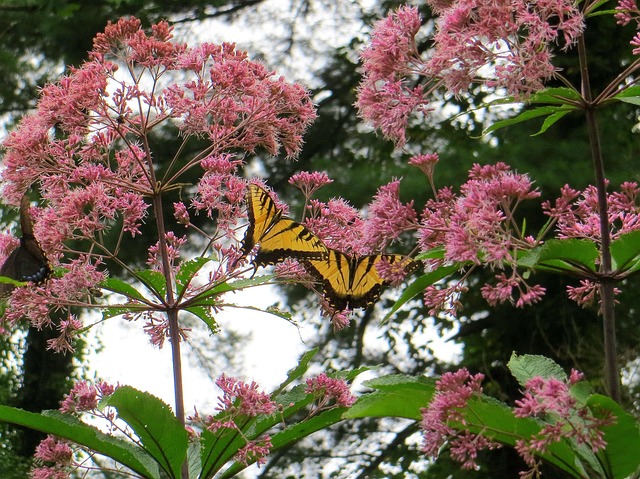
If native plants for New York host plants make reproduction possible, nectar plants provide energy. Bees, butterflies, moths, hummingbirds, beetles, flies, and other flower visitors rely on nectar and pollen at different times of year.
The strongest habitat gardens do not produce one spectacular week of bloom. They provide a continuous sequence of resources from early spring through late fall.
In New York, that might include:
-Spring-blooming Willows, native Cherries, Serviceberries, Violets, Golden Alexanders, and Columbine
● Summer-blooming Mountain Mints, Milkweeds, Beebalms, Coneflowers, Blazing Stars, and native Sunflowers
-Fall-blooming Asters, Goldenrods, Sneezeweed, and Ironweed.
Planting several individuals of the same species in visible groups can also help pollinators forage efficiently. Rather than making every plant different, repeat key species and allow them to form meaningful patches.
And remember, flowers are not interchangeable. Cultivars selected for unusual color, doubled petals, or dramatically altered form may provide different, or often reduced—ecological value. When habitat is the goal, locally appropriate native species are the strongest starting point.
Native Plants for New York: Right Plant, Right Place.
Native does not automatically mean indestructible. A plant native to a dry, sandy pine barren will not necessarily thrive in a wet, compacted backyard. A woodland plant cannot be expected to perform like a meadow plant in full afternoon sun.
“Right plant, right place” means matching each species to the actual conditions on the ground:
- Sun, shade, and seasonal changes in light
- Soil moisture and drainage
- Soil texture, compaction, and organic matter
- Slope and erosion pressure
- Salt exposure, reflected heat, and snow storage
- Existing plant communities
- The mature height, spread, and behavior of each species
This is where ecological design differs from simply buying a cart of plants labeled “native.” A successful planting is a community whose members are suited to the site and compatible with one another.
When native plants for New York are well matched, they establish more reliably, need fewer inputs, cover the soil more completely, and resist opportunistic weeds. The goal is not a collection of isolated specimens surrounded forever by mulch. The goal is a layered, living landscape.
Ecosystem Repair and Bioremediation.

Landscapes do more than support wildlife. Plants, fungi, soil organisms, water, and organic matter work together to rebuild ecological function.
Deep and fibrous roots can help hold soil, slow erosion, create channels for water, and contribute organic matter below ground. Dense plantings intercept rainfall and reduce the speed and volume of runoff. Wetland and rain-garden species can capture sediment and take up excess nutrients. Fallen leaves and plant stems feed decomposers, shelter overwintering insects, and gradually rebuild soil.
Some plants and their associated microbes can also absorb, stabilize, transform, or help break down certain pollutants—a field known as phytoremediation or, more broadly, bioremediation. But this is not a universal cure for contaminated land. The pollutant, its concentration, the soil, the plant species, and the disposal of contaminated plant material all matter. Suspected contamination should be tested and addressed with qualified environmental professionals.
In the home landscape, the most dependable form of repair is often less dramatic: stop repeatedly disturbing the soil, keep living roots in the ground, retain organic matter, slow and absorb rainwater, reduce chemical inputs, and rebuild diverse plant communities over time. That is restoration at the scale of a yard.
Habitat Means Space to Breed, Feed, Shelter, and Move.
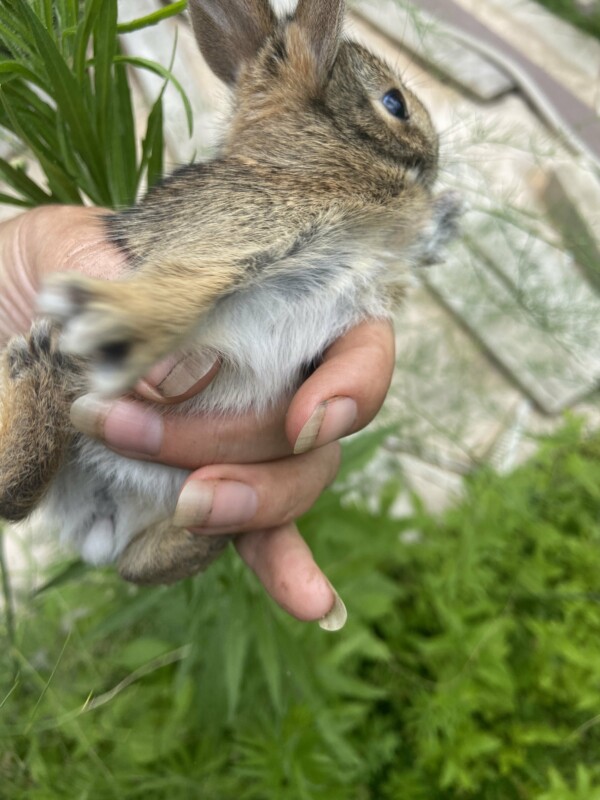
Wildlife needs more than food. A landscape becomes habitat when it offers enough structure and continuity for animals to live—not merely visit.
That includes:
1. Feeding space: nectar, pollen, foliage, seeds, fruits, nuts, and the insects that feed birds
2. Breeding space: host plants, nesting sites, protected ground, and suitable water conditions
3. Shelter: dense shrubs, tree cavities, leaf litter, standing stems, bark, grasses, and evergreen cover
4. Overwintering space: undisturbed soil, hollow stems, seed heads, leaves, and woody debris
5. Movement corridors: connected plantings that allow animals to travel between larger habitat areas
A tidy yard can still be ecological, but excessive cleanup removes habitat. Cutting every stem in fall, blowing away every leaf, shearing shrubs into tight shapes, and isolating each plant in a sea of mulch may satisfy a conventional idea of neatness while stripping away the places wildlife needs.
Ecological landscaping asks a different question: not simply, “How does this look?” but also, “Who can live here?”
Native Planting Is Private-Land Conservation.
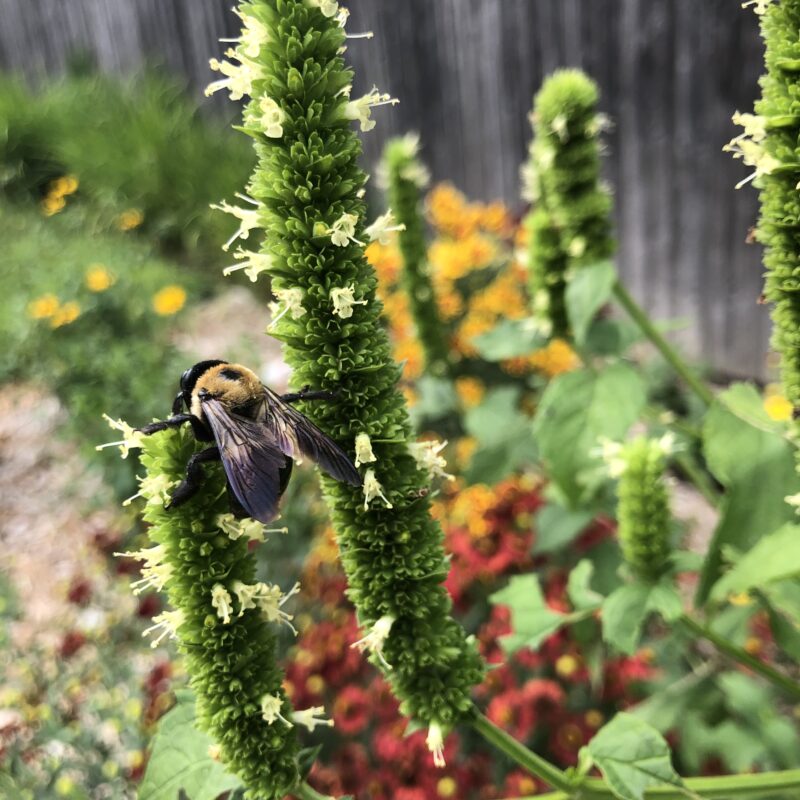
Certainly, much of New York’s land is privately owned. So that means the future of biodiversity is not confined to parks and preserves. It is also being decided in front yards, backyards, school grounds, church properties, commercial landscapes, and roadside plantings.
No single garden can repair an entire region. But each native planting can become one piece of a larger network—a decentralized nature preserve stretching across property lines.
The most useful first step is not basically to redesign everything at once. Start with one area and make it function well. Replace a section of lawn. Add a native shrub layer. Build a rain garden. Plant a sunny bed with host plants and flowers from spring through fall. Leave some stems and leaves through winter. Then expand. Choose plants not only for how they look on installation day, but for the relationships they can sustain for years to come.
Because a native plant garden is never just a garden. It is a nursery, a pantry, a refuge, a water-management system, a living soil community, and a small but meaningful act of ecosystem repair.
Jessecology Eco-Landscaping designs and builds 100% native-species landscapes in New York’s Capital Region. Our work straightaway transforms private land into beautiful, functional habitat, one garden project at a time. Start Your Project now and we’ll meet soon!
Suggested Products