How to Grow a Native Garden
Some people stop mowing, let the weeds take over, and call it “native gardening.” It isn’t. How to grow a native garden is much more strategic. A native garden is a designed, intentional landscape built from plants that evolved alongside your region’s wildlife, soils, and climate. Get the basics right and it becomes one of the most rewarding gardens you’ll grow: beautiful, alive, and easier to care for every year. It all starts with one principle: the right plant in the right place.
How to Grow a Native Garden Part One: Get to Know Your Site
Observe Before You Plant
Before buying a single plant, spend some time getting to know your space. First, notice how many hours of direct sunlight the area receives each day. Next, determine whether the soil stays dry, holds moisture, or becomes seasonally wet. Pay attention to where rainwater collects and where it drains away.
Additionally, look for existing trees whose roots may compete with new plants for water and nutrients. Consider which browsing animals, such as deer and rabbits, already visit your yard. Finally, think about how you’ll experience the garden from windows, walkways, and outdoor seating areas.
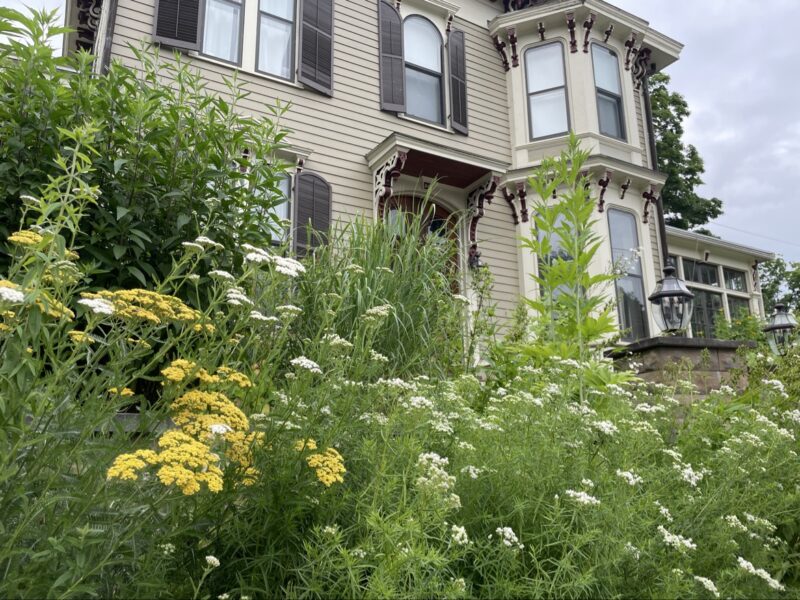
Sunlight and moisture matter more than almost anything else. After all, a native plant growing in the wrong conditions will struggle just like any other plant.
How to Grow a Native Garden: Clear the Weeds First
Never plant into an established patch of weeds. Instead, remove aggressive grasses, vines, and perennial weeds as thoroughly as possible beforehand. This process may take more than one round. However, the effort you invest now will save you years of frustration.

Whenever possible, skip the tiller. Tilling brings dormant weed seeds to the surface, damages soil structure, and disrupts the underground communities that keep soil healthy.
Fortunately, there are gentler alternatives. Sheet mulching with cardboard and organic materials can suppress unwanted vegetation over time. Solarizing with clear plastic can also be effective under suitable sunny conditions. Choose the method that works best for your site and the weeds you’re trying to eliminate.
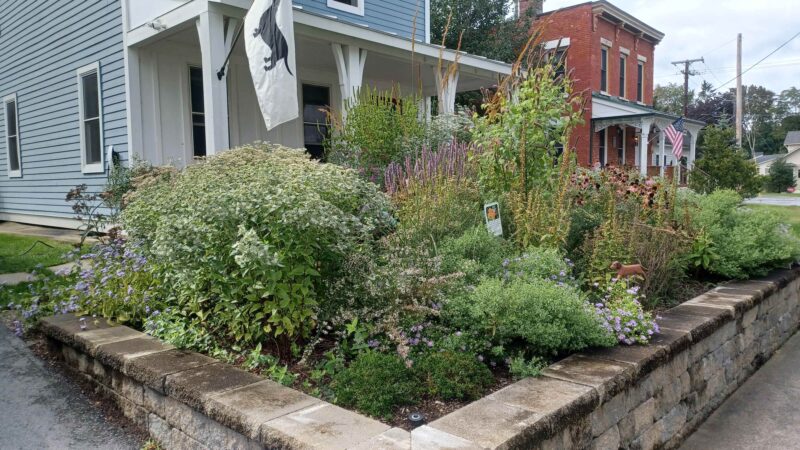
How to Grow a Native Garden: Start Small
When you’re learning how to grow a native garden, you don’t have to convert your entire yard at once. Instead, begin with a defined area you can plant densely and care for well.
Even 200 square feet can create meaningful habitat while remaining manageable for a new gardener. Once that first garden becomes established, it provides a strong foundation for future expansion.
Part Two: Plant with Purpose
Choose Plants for Their Jobs, Not Just Their Color
A resilient native garden functions as a team, with every plant playing an important role.
For example, groundcovers protect bare soil and help suppress weeds. Meanwhile, native grasses and sedges provide structure, texture, and shelter for wildlife. Flowering perennials supply nectar and pollen for bees, butterflies, and other pollinators.
Shrubs add another layer of habitat by offering nesting sites, protective cover, and berries for birds. Native trees contribute even more by supporting hundreds of insect species, including caterpillars that feed young songbirds. Additionally, evergreen and semi-evergreen plants can provide structure and visual interest throughout winter.

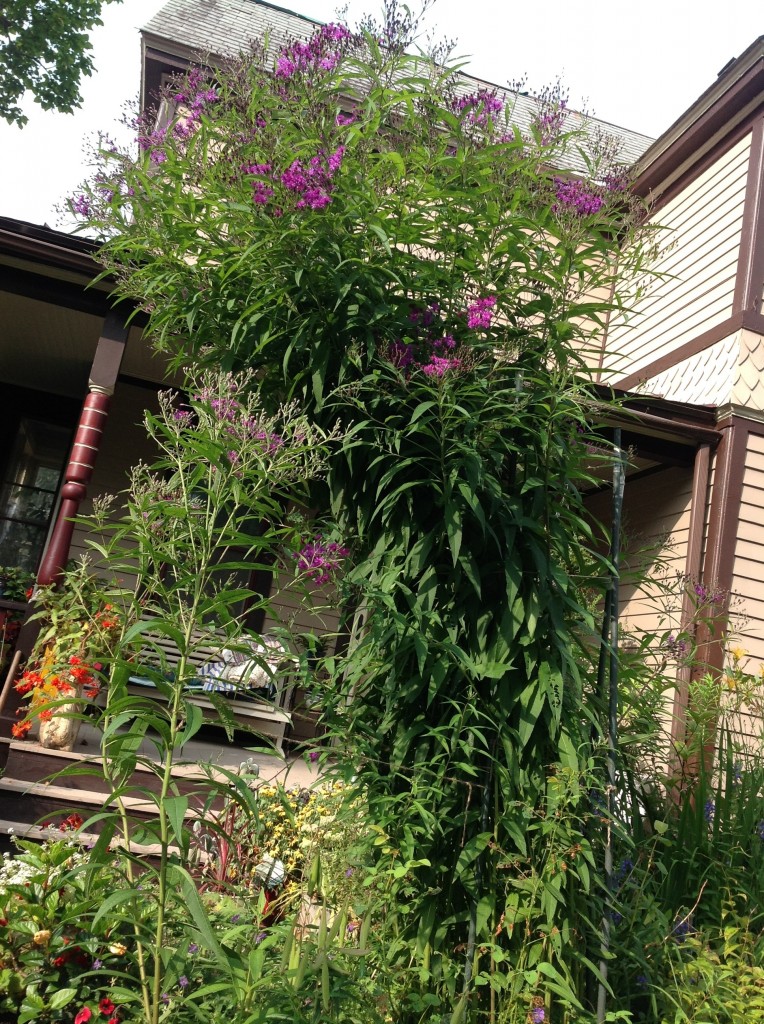
As you choose your plants, aim for a succession of blooms from spring through fall. Late-season Asters and Goldenrods are especially valuable because they offer nectar and pollen when many other flowers have finished blooming. Ultimately, the goal is to create a diverse planting community that supports wildlife throughout the year.
Plant Densely
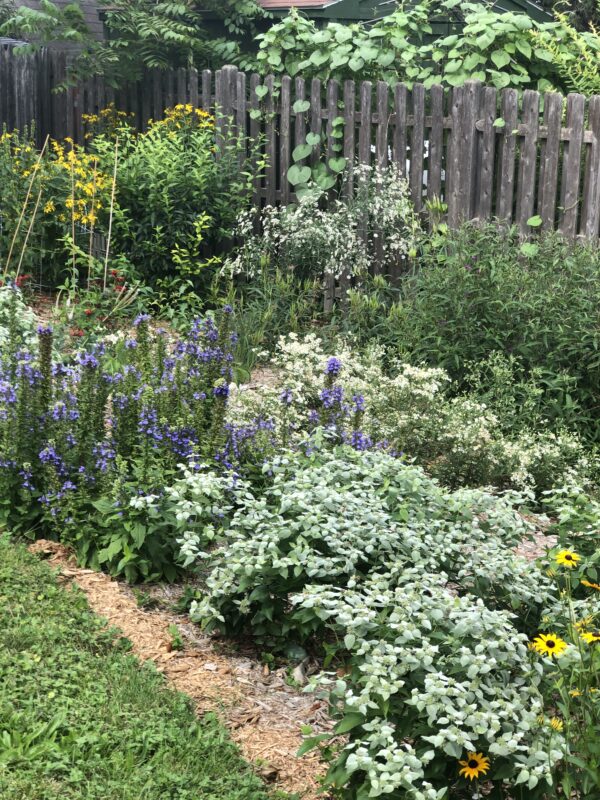
Nature rarely leaves fertile soil bare. Likewise, empty spaces in a new garden create opportunities for weeds to move in. Rather than surrounding every plant with its own ring of mulch, arrange plants close enough to gradually knit together and cover the ground. Of course, spacing should still account for each species’ mature size and growth habits.
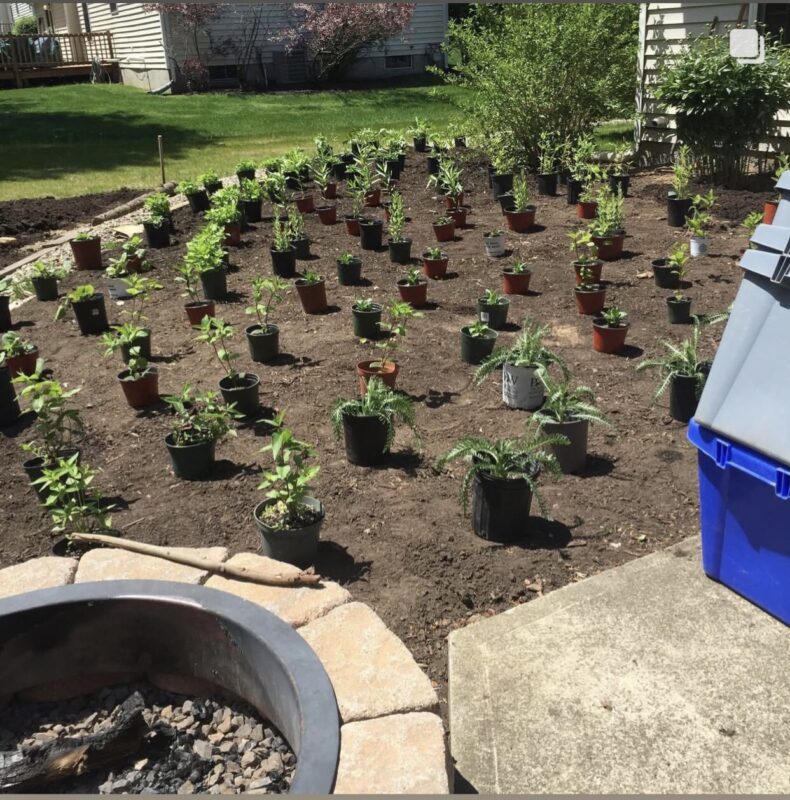
As the plants grow, their leaves shade the soil, their roots occupy available space, and their overlapping forms create a more unified landscape. Consequently, a densely planted native garden becomes more resilient, more ecologically productive, and more visually cohesive than a collection of scattered plants.
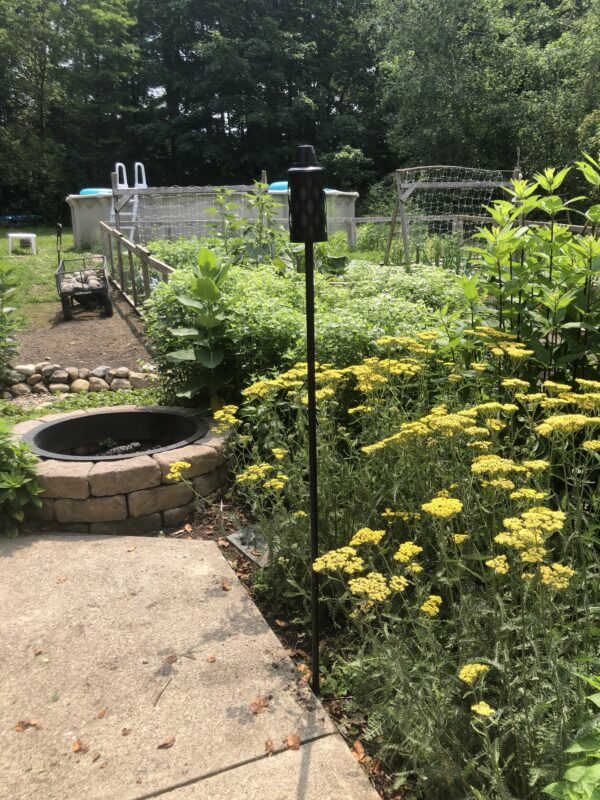
Treat Mulch as a Temporary Tool
During the establishment period, a light layer of clean mulch can help suppress weeds and retain soil moisture. However, mulch shouldn’t remain the main feature of your garden.
As native plants spread, living foliage should gradually replace exposed mulch. This transition creates a more natural appearance while increasing the garden’s ecological value. In the meantime, keep mulch pulled back from plant crowns, shrub stems, and tree trunks to prevent excess moisture buildup and potential rot.
Part Three: Help Your Plants Get Established
Water Through the First Season
Even drought-tolerant native plants need consistent moisture while developing their root systems.
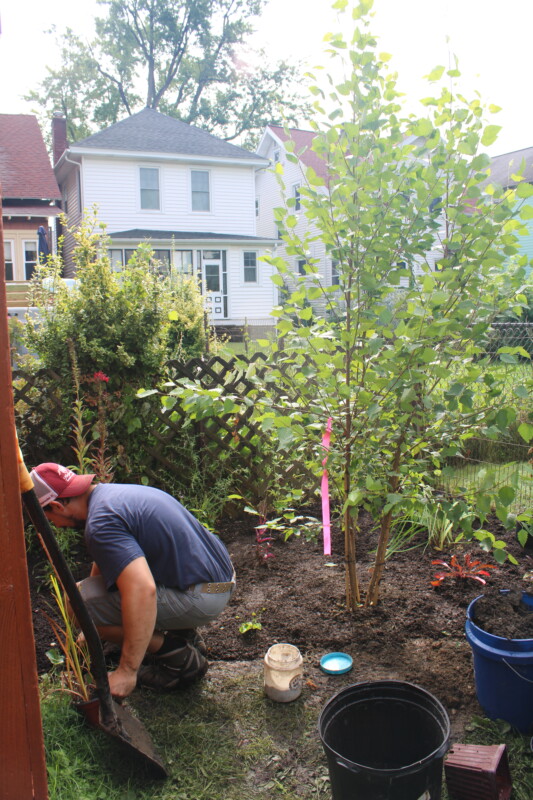
Start by watering deeply immediately after planting. Then, continue monitoring soil moisture throughout the first growing season. Although established native plants may tolerate dry conditions, newly installed plants are much more vulnerable.
Don’t assume a brief rainstorm has provided enough water. Instead, dig beneath the surface and check whether moisture has reached the root zone. Pay particular attention during hot, dry, or windy weather. With proper watering during establishment, your plants will be better prepared to handle challenging conditions in future seasons.
Protect Tender New Plants
Nursery-grown plants are often tender, and local wildlife can discover a new food source surprisingly quickly. For instance, rabbits, deer, and woodchucks may browse young plants within days of installation. Unfortunately, repeated browsing can slow establishment or even kill vulnerable plants.
To prevent damage, consider temporary protective cages or fencing. Motion-activated sprinklers and suitable organic repellent sprays may also help discourage hungry visitors. As plants mature and develop stronger root systems, subsequently many become better able to recover from occasional browsing. Nevertheless, continued protection may be necessary in areas with heavy wildlife pressure.
Part Four: Let the Garden Grow Up
Leave It Standing in Winter
Resist the temptation to cut everything down when autumn arrives. Instead, allow your native garden to remain standing throughout winter.
Standing stems, seedheads, and fallen leaves provide valuable food and shelter for wildlife. Additionally, this natural material helps protect plant crowns and creates beautiful texture in the winter landscape. When spring arrives, avoid rushing into a complete cleanup. Many beneficial insects remain sheltered in stems and leaf litter until spring really unfolds.
Suggested Products