
Is Fall a Good Time to Plant Native Plants?
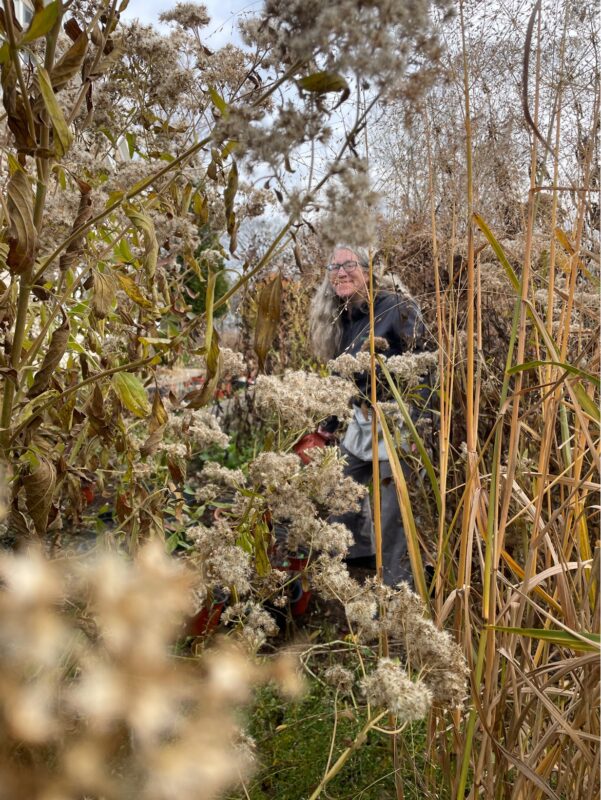
This one should answer the question immediately—yes—and then explain why fall can actually be one of the best planting windows for natives in the Northeast.
Is Fall a Good Time to Plant Native Plants?
Yes! Fall isn’t just a good time to plant native plants. In many cases, it’s one of the best times of the year.
People tend to think of spring as planting season. But while the top of your garden is slowing down in September and October, something important is still happening underground.
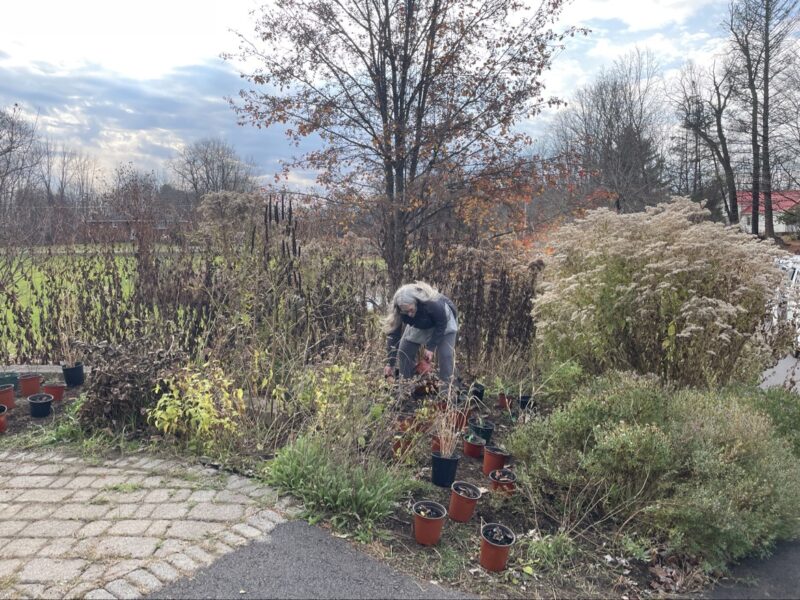
Roots are growing.
1. Cool Weather Means Less Plant Stress.
Transplanting is stressful. During hot summer weather, a newly installed perennial has to establish roots while simultaneously dealing with heat, intense sun and water loss through its leaves.
Fall gives plants a break. Cooler air temperatures reduce that stress while the soil remains warm enough for root growth.
2. Warm Soil + Cool Air = A Great Combination.
This is one of the reasons we love fall planting. Air temperatures can drop surprisingly quickly in Upstate New York, but soil cools much more slowly.
Your new plants don’t need to produce loads of flowers or new top growth. Instead, they can concentrate resources below ground and begin establishing roots before winter.
3. Fall Usually Means Easier Watering.
New gardens need consistent watering regardless of when they’re planted. But September and October generally make that job easier than July. Cooler temperatures mean less evaporation and less water stress.
That doesn’t mean you can stop watering! Newly installed plants still need attention until the ground freezes.
4. Your Plants Get a Head Start on Spring.
This might be our favorite part. A native perennial planted in fall doesn’t have to wait until next spring to begin becoming part of your landscape. It enters winter with some root establishment already underway. When conditions warm again, it’s ready to go.
Instead of planting in May and asking a plant to establish itself while simultaneously growing, flowering and facing summer heat, you’ve given it a head start.
5. Native Plants Are Built for Winter.
People sometimes worry that their newly planted natives will “die” when they disappear after frost. That’s what they’re supposed to do!
Our native herbaceous perennials evolved with northeastern winters. The above-ground portions of many species naturally die back while the living crown and roots remain protected underground. Dormancy isn’t failure. It’s part of the plant’s life cycle.
6. But Don’t Plant Too Late.
Fall planting does have a deadline. We want plants to have time to settle in and begin establishing roots before the ground freezes solid. Trees and shrubs may have different considerations than herbaceous perennials, and weather varies considerably from year to year.
The later it gets, the more important plant selection, watering, mulching and judgment become.
7. Don’t Forget the Water!
This is probably the biggest fall-planting mistake. Cool weather can fool us into thinking plants no longer need water. But those roots are still alive and establishing.
Water your new garden thoroughly after installation and continue monitoring soil moisture through the fall. Don’t rely on a little drizzle to do the job. So, Should You Plant Native Plants in Fall?
Absolutely.
For many native garden projects, September and October offer an excellent combination of warm soil, cooler air, reduced transplant stress and weeks of potential root establishment.
And there’s another advantage: You’ll wake up next spring with a garden already planted. While everyone else is just starting to think about gardening, yours is getting ready to grow.
Basically, Start Your Project today with Jessecology and we’ll meet up soon!
Suggested Products


