
Railroad Ecosystems: The Hidden Conservation Corridors Across the Landscape.
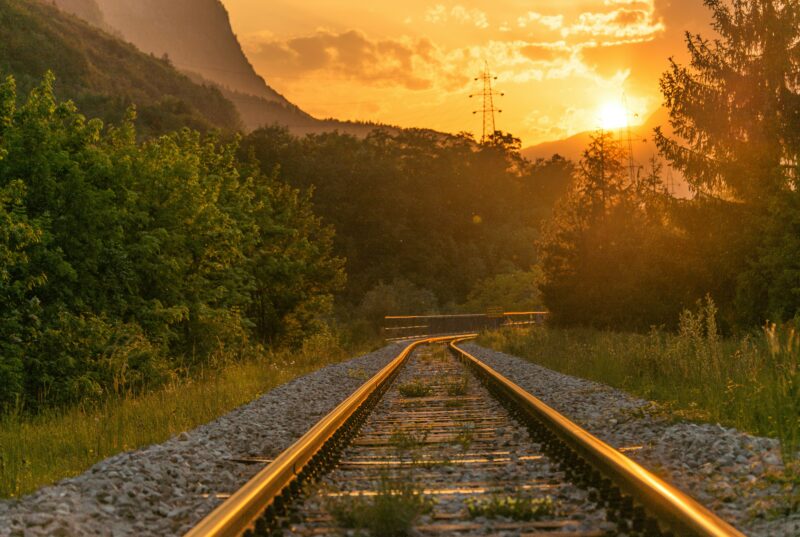
When most people think of railroads, they soon think of transportation. Ecologists, however, generally recognize the importance of railroad ecosystems and railroad corridors as valuable components of the natural landscape.
As development fragments forests, grasslands, and wetlands into smaller patches, wildlife generally faces growing challenges. Many species basically depend on connected habitats to find food, shelter, mates, and nesting sites. This is where railroad corridors can certainly play an important ecological role.
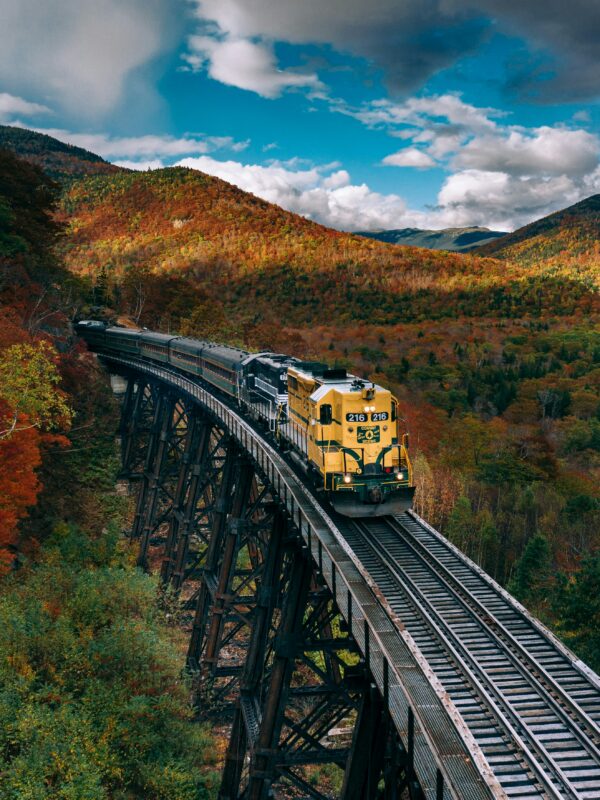
What Are Railroad Ecosystems?
A railroad ecosystem basically consists of the plants, animals, fungi, and microorganisms that live along railroad rights-of-way. These long, narrow strips of land often stretch for miles through urban, suburban, agricultural, and natural landscapes.
Because railroad corridors frequently remain undeveloped, they can provide continuous habitat in areas where much of the surrounding land has been altered.
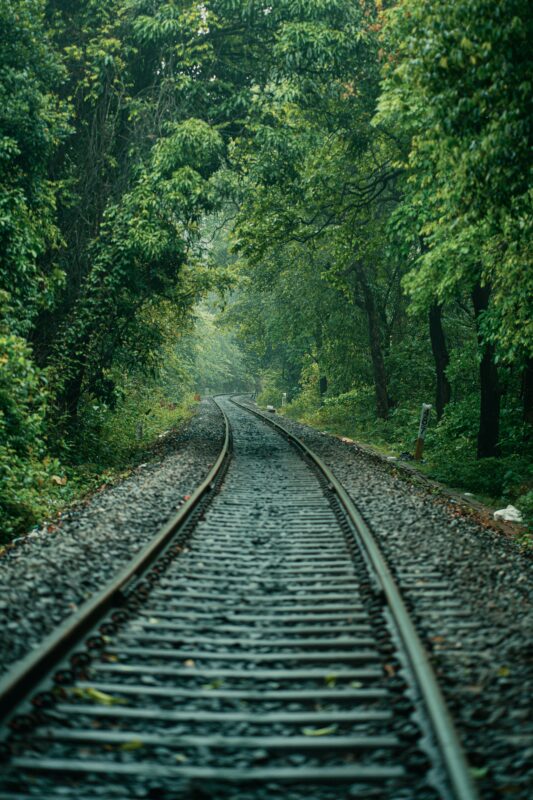
Why Railroad Corridors Matter.
One of the greatest threats to biodiversity is habitat fragmentation. When natural areas become isolated, wildlife populations can struggle to survive.
Railroad corridors help reconnect these fragmented habitats by serving as migration and movement pathways. Birds, pollinators, reptiles, mammals, and countless insects use these corridors to travel between larger habitat patches.
These connections effectively increase the carrying capacity of the surrounding landscape by allowing wildlife to access more resources across a broader area. Rather than existing as isolated populations, species can move, disperse, and maintain healthier genetic diversity.
Pollinators and Native Plants.
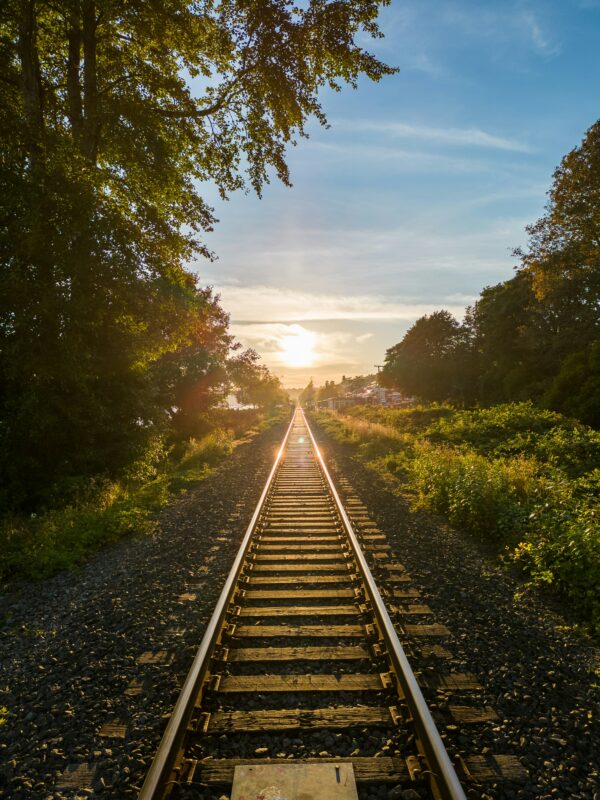
Many railroad ecosystems support a surprising diversity of native vegetation. Sunny conditions and relatively low disturbance can allow native grasses, wildflowers, and shrubs to establish.
Native asters, goldenrods, milkweeds, mountain mints, and other flowering plants provide critical nectar and pollen resources for bees, butterflies, moths, and beneficial insects.
For pollinators, railroad corridors often function as ecological highways, connecting feeding and breeding habitats across long distances.
Lessons for Conservation.
Railroad ecosystems demonstrate an important principle: conservation doesn’t always occur in parks and nature preserves. Sometimes it happens in unexpected places.
By preserving and restoring connected habitat, we can create landscapes that support more wildlife, greater biodiversity, and healthier ecological processes. Even small native plantings on residential properties can serve as stepping stones that connect larger habitat networks.
At Jessecology, we believe every property can contribute to a larger conservation vision. Whether it’s a backyard, corporate campus, or community green space, restoring native habitat helps create the connected landscapes that wildlife needs to thrive.
The next time you pass a railroad, look beyond the tracks. You may be seeing one of the most overlooked wildlife corridors in the region.
Start Your Project with Jessecology today and we’ll connect soon!
Suggested Products


