
No Mow May Is Missing the Point.
Every spring, social media fills with reminders to participate in No Mow May. The idea is simple: stop mowing your lawn for a month and allow flowers to bloom for pollinators.
No Mow May Misses the Point.
While the movement has succeeded in raising awareness about pollinator declines, it often misses the larger issue. If we’re serious about helping bees, butterflies, birds, and other wildlife, simply letting the lawn grow for a few weeks isn’t enough.
In fact, No Mow May can become a feel-good nothingburger—a temporary gesture that makes us feel connected to conservation without creating meaningful habitat.
The problem is that most lawns aren’t ecosystems. They’re monocultures dominated by non-native turf grasses. Even when left unmowed, many lawns produce little more than dandelions, clover, and a few other introduced weedy species. Pollinators may use these flowers, but they provide only a tiny fraction of the resources that wildlife truly needs.
Then June arrives, the mower comes back out, and everything returns to normal.
Nature already has a much better solution.
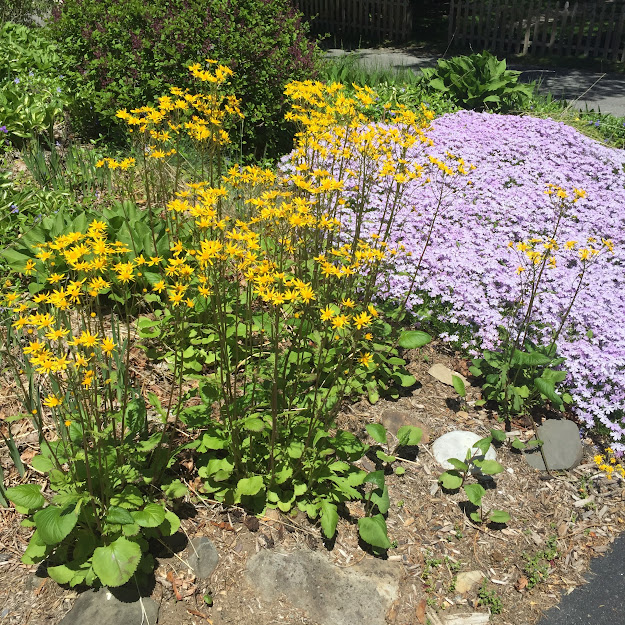
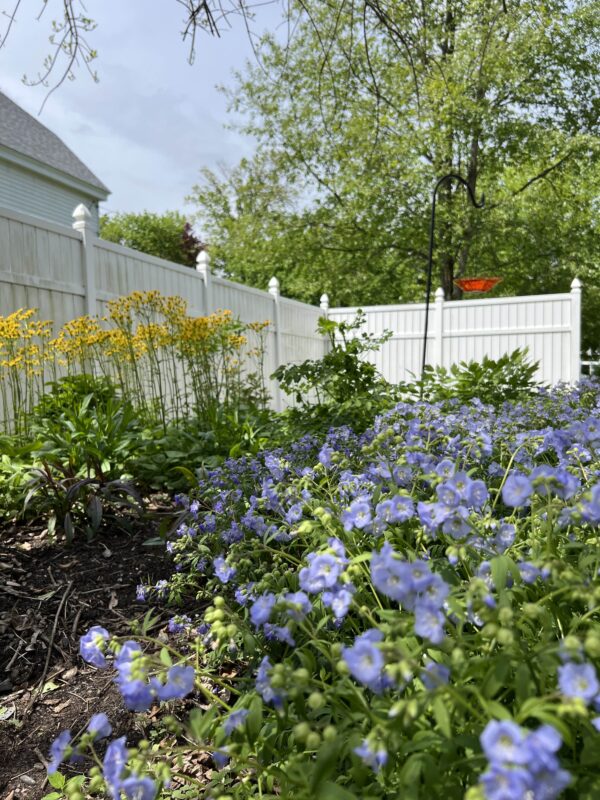
Across New York, native woodland wildflowers naturally provide abundant pollen and nectar during the spring months. Plants like Virginia Bluebells, Wild Geranium, Foamflower, Golden Ragwort, Jacob’s Ladder, Wild Columbine, and Woodland Phlox evolved alongside native pollinators for thousands of years. They bloom precisely when insects need them most and offer far greater ecological value than an unmowed patch of lawn.
Native shrubs are equally important.
Serviceberry, Elderberry, Redbud, Pussy Willow, Spicebush, Chokeberry, Dogwoods, and Viburnums burst with flowers in spring. These shrubs don’t just provide nectar and pollen. They also offer nesting habitat, shelter from predators, and fruits that feed birds later in the season.
This is what real habitat looks like.
Rather than focusing on No Mow May, we’d rather see a movement toward a Low-Mow Life.
Imagine reducing your lawn permanently instead of temporarily. Imagine replacing portions of turf with native wildflowers, native shrubs, woodland gardens, rain gardens, and pollinator habitat. Even converting ten percent of a typical yard would create more ecological value than decades of participating in No Mow May.
The goal shouldn’t be taller grass.
The goal should be more habitat. Wildlife needs more than nectar. Native bees need places to nest. Butterflies need host plants for their caterpillars. Birds need insects to feed their young. Healthy ecosystems require layers of vegetation, food sources throughout the seasons, and places to hide, breed, and overwinter. A lawn—whether mowed or unmowed—simply cannot provide these things.
A native landscape can.
If No Mow May inspires someone to think differently about their yard, that’s a good thing. Awareness matters. But awareness is only the first step.
The real revolution begins when we stop asking how long we can avoid mowing and start asking how much habitat we can restore.
Next spring, don’t just put the mower away.
Plant a Serviceberry. Add a Spicebush. Create a woodland wildflower garden. Replace a big section of lawn with native plants.
Because the future of conservation isn’t No Mow May. It’s habitat restoration!
Start Your Project with Jessecology today, and we’ll be in touch soon!
Suggested Products


