
Urban Heat Islands: Why Cities Are Getting Hotter and How Native Plants Can Help.
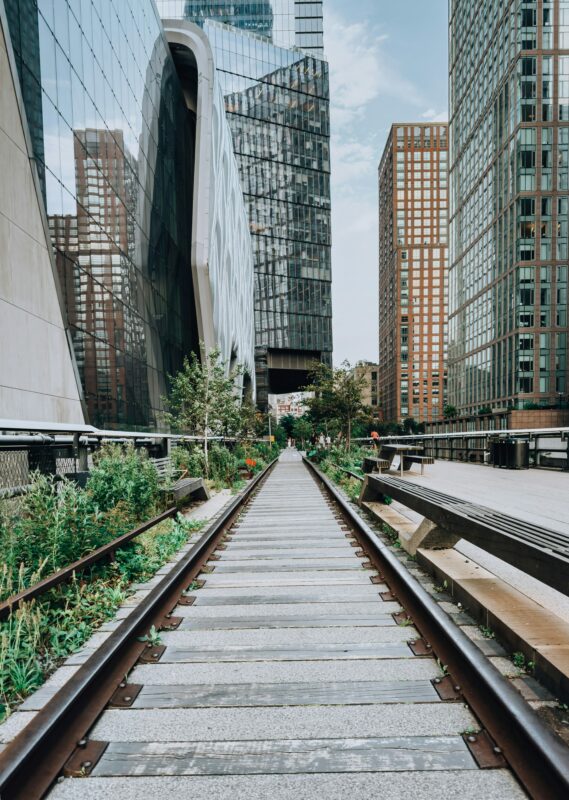
If you’ve ever walked across a blacktop parking lot on a summer afternoon and then stepped into a shaded natural area, you’ve experienced the urban heat island effect firsthand.
Urban heat islands are basically one of the fastest-growing environmental challenges facing cities, suburbs, and developed landscapes. They contribute to higher energy bills, increased air pollution, stress on wildlife, and serious public health concerns. Fortunately, there are practical solutions—and many of them involve bringing nature back into our communities.
What Is an Urban Heat Island?
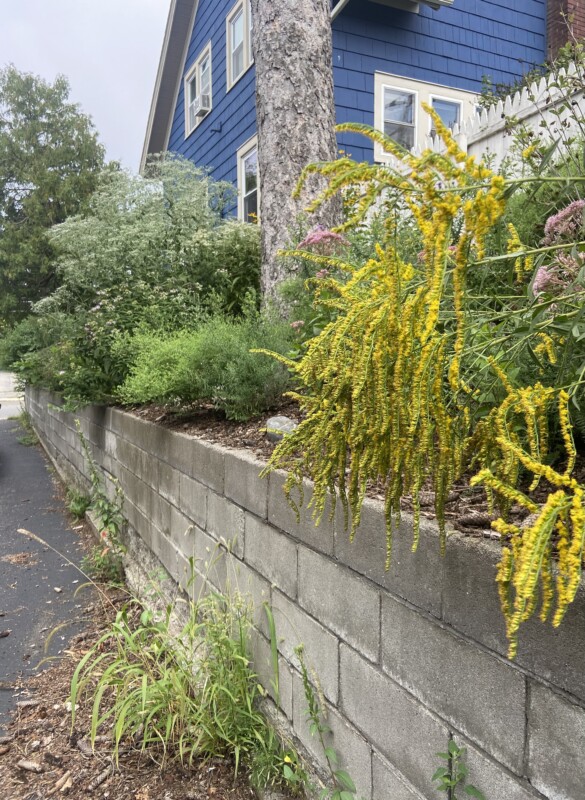
An urban heat island (UHI) is a developed area that becomes significantly warmer than surrounding natural landscapes.
Cities and suburbs contain large amounts of heat-absorbing surfaces such as:
- Asphalt roads
- Parking lots
- Concrete sidewalks
- Buildings and rooftops
- Artificial turf
These materials absorb sunlight throughout the day and slowly release heat long after the sun goes down. As a result, urban areas can be several degrees hotter than nearby forests, meadows, wetlands, or rural landscapes.
The difference is often most noticeable during summer evenings when developed areas remain hot while natural landscapes begin to cool.
What Causes This Phenomena?
Several factors contribute to the urban heat island effect.
1. Loss of Trees and Vegetation
Trees provide shade and cool the air through a natural process called evapotranspiration. When forests, fields, and native plant communities are removed and replaced with pavement or lawns, this cooling effect disappears.
2. Heat-Absorbing Surfaces
Dark surfaces such as asphalt and roofing materials absorb large amounts of solar energy. Unlike vegetation, these surfaces store heat and radiate it back into the surrounding environment.
3. Lack of Biodiversity
Many conventional landscapes consist primarily of turf grass. While lawns have some cooling benefits, they provide far less shade and ecological value than native trees, shrubs, and diverse plant communities.
4. Human Activities
Vehicles, air conditioners, industrial equipment, and buildings all generate heat that further raises local temperatures.
The Fallout.
Urban heat islands affect more than just comfort.
Increased Energy Costs.
As temperatures rise, homes and businesses require more air conditioning. This increases energy consumption and utility costs.
Public Health Risks.
Extreme heat can contribute to dehydration, heat exhaustion, heat stroke, and other health concerns. Vulnerable populations—including children, seniors, and outdoor workers—are especially at risk.
Reduced Wildlife Habitat.
Hotter temperatures can stress plants and animals while reducing habitat quality for pollinators, birds, and other wildlife.
Poorer Air Quality.
Higher temperatures can worsen ground-level ozone formation and contribute to air pollution, affecting human health and ecosystem function.
How Native Plants Help Reduce Urban Heat Islands.
At Jessecology, we believe one of the most effective solutions is restoring biodiversity through native landscaping.
Plant More Trees.
Native trees provide shade that can dramatically lower surface temperatures. A shaded sidewalk, driveway, or building can be significantly cooler than one exposed to direct sunlight.
Species such as oaks, maples, hickories, and other regionally appropriate native trees help cool communities while supporting wildlife.
Replace Lawn with Native Plantings.
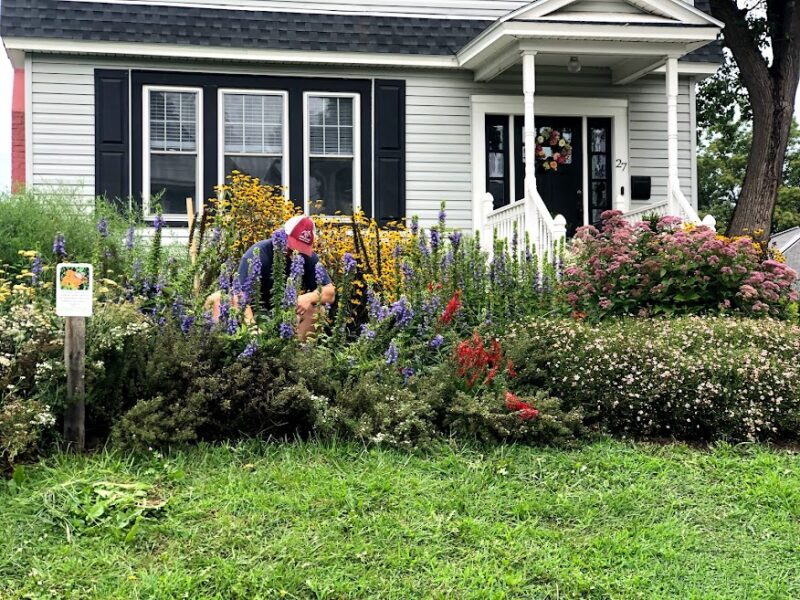
Native meadows, pollinator gardens, and layered plant communities create cooler microclimates than traditional turf grass alone.
Their deeper root systems also improve soil health, increase water infiltration, and make landscapes more resilient during drought.
Protect Wetlands and Natural Areas.
Wetlands naturally cool surrounding areas and help regulate local temperatures. Conserving these ecosystems provides both climate and biodiversity benefits.
Increase Tree Canopy in Developed Areas.
Strategically planting trees around homes, schools, parking lots, and commercial properties can reduce heat buildup while improving aesthetics and ecological function.
Small Changes Create Big Results.
Reducing urban heat islands doesn’t require transforming an entire city overnight.
Every native tree planted, every pollinator garden installed, and every square foot of habitat restored helps create a cooler, healthier landscape.
When homeowners, businesses, municipalities, and community organizations work together, the cumulative impact can be substantial.
Creating Cooler Communities Through Ecology.
Urban heat islands are a direct result of how we design and manage our landscapes. The good news is that we can reverse many of these effects by working with nature rather than against it.
Native plants, trees, wetlands, and biodiverse landscapes provide natural cooling while supporting pollinators, birds, and countless other species.
At Jessecology, our mission is to help restore biodiversity one property at a time. Together, we can create landscapes that are not only beautiful but also cooler, healthier, and more resilient for future generations.
Interested in reducing heat, supporting wildlife, and transforming your property with native plants? Contact Jessecology to Start Your Project soon.
Suggested Products


