
Ocean Shore Stabilization, Restoration, and Ocean Ecology.
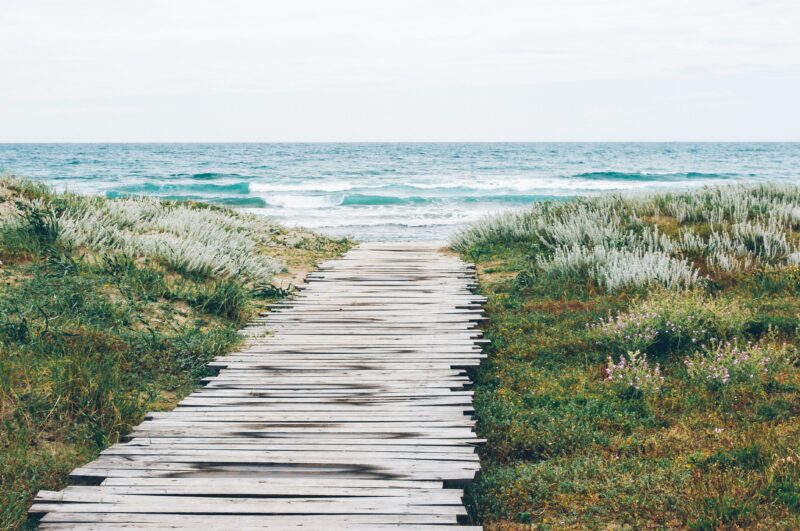
Ocean shorelines are living edges, basically not static property lines. In healthy ocean ecology, beaches, dunes, salt marshes, tidal wetlands, oyster reefs, seagrass beds, and coastal shrublands generally work together to absorb wave energy, hold sediment, filter runoff, store carbon, and provide nursery habitat for fish, birds, shellfish, and pollinators.
Traditional shoreline hardening—seawalls, bulkheads, and riprap—can protect one property in the short term, but often reflects wave energy elsewhere, worsens erosion, and disconnects land from water. A more ecological approach is a living shoreline, using native plants, sand, dunes, oyster shell, coir logs, stone sills, marsh restoration, or hybrid methods to stabilize the coast while rebuilding habitat. NOAA notes that living shorelines can reduce erosion, filter runoff, buffer flooding, store carbon, and attract wildlife.
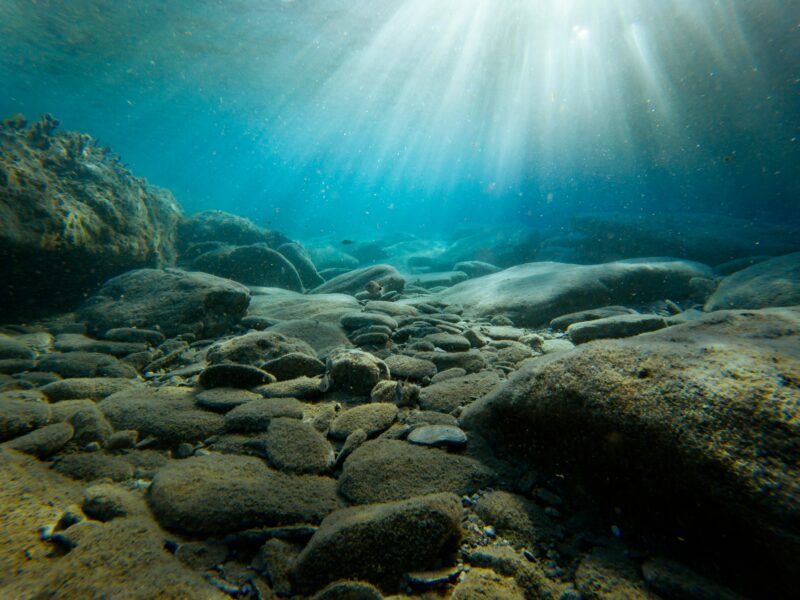
Ocean Ecology & Shore Stabilization.
Good ocean shore restoration starts with reading the site: wave energy, tides, storm surge, sediment movement, salinity, existing vegetation, wildlife use, and neighboring impacts. Low-energy coves and bays may support marsh planting, coir logs, oyster reefs, and native grasses. Higher-energy oceanfronts often need dune restoration, sand fencing, beach grass, coastal shrubs, and carefully engineered hybrid protection.
Ecologically, the goal is not just to “hold the line.” The goal is to restore function: sediment capture, tidal exchange, root structure, nesting cover, migration corridors, water filtration, and climate resilience. Coastal habitats such as wetlands, dunes, reefs, and seagrass beds help reduce wave force while supporting fisheries and biodiversity.
Notes on ecology:
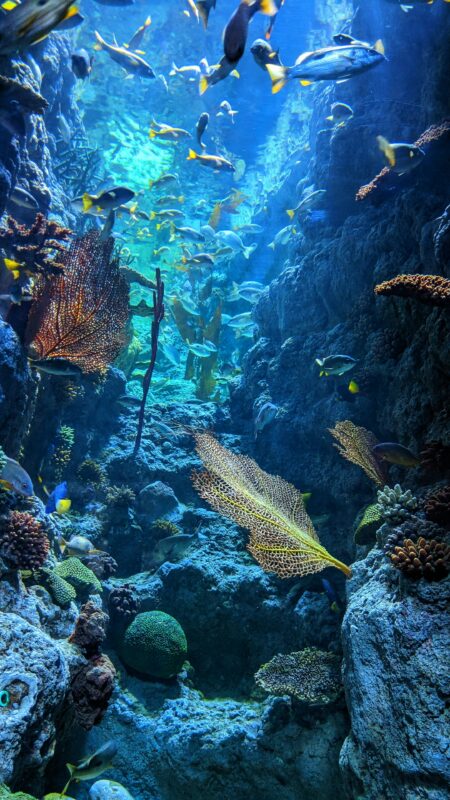
Native coastal plants are infrastructure. Their roots knit sand and soil together. Dunes are storm buffers, not empty sand piles. Salt marshes are nurseries. Oyster reefs and shellfish beds clean water while breaking wave energy. Driftwood, wrack, and organic debris feed shorebirds, insects, and microbes.
A restored ocean shoreline should look alive: layered, flexible, seasonal, and connected. In real ocean ecology, resilience comes from living systems—not from fighting nature, but from partnering with it.
Start Your Project with Jessecology today and we’ll connect soon!
Suggested Products


