
Best Peony Care: Be Brave. Cut Them Back After Blooming.
At Jessecology, we don’t plant Peonies. Our focus is on native species that support pollinators, birds, and local ecosystems. But many of our clients already have Peonies, and we’re happy to design beautiful native gardens around them. One of the best things you can do for Peony care is cut it back after it finishes blooming.
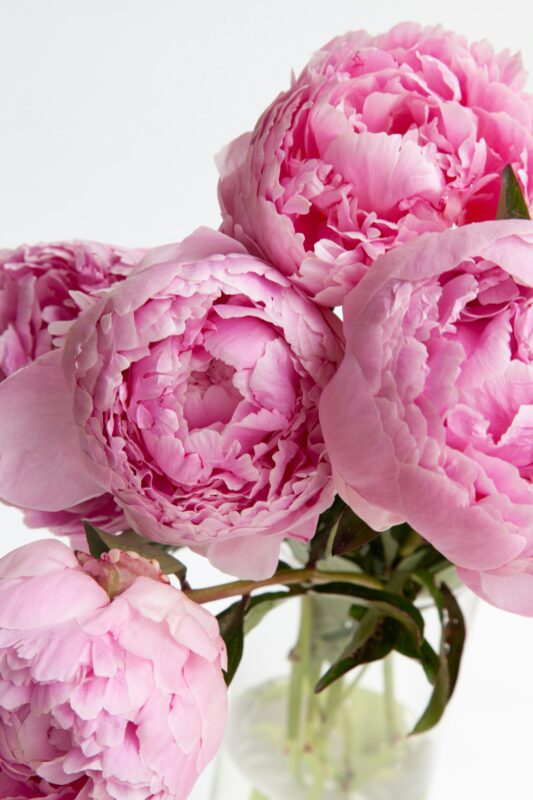
Best Peony Care: How to do it.
Why? Peony foliage is highly susceptible to powdery mildew. By midsummer, those leaves often become a reservoir for fungal spores, spreading disease through the garden. Removing the foliage after flowering helps reduce mildew pressure, improves air circulation, and often results in a healthier plant with better blooms the following year.
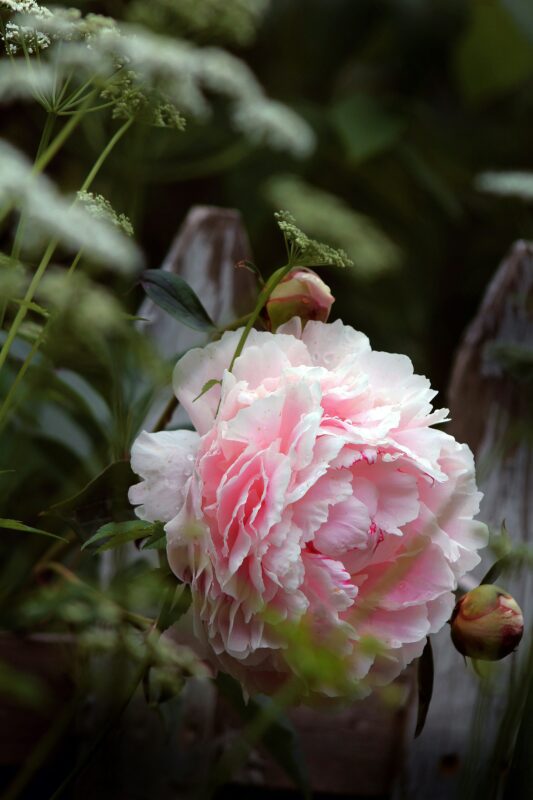
Even better, this creates an opportunity to let native plants shine.
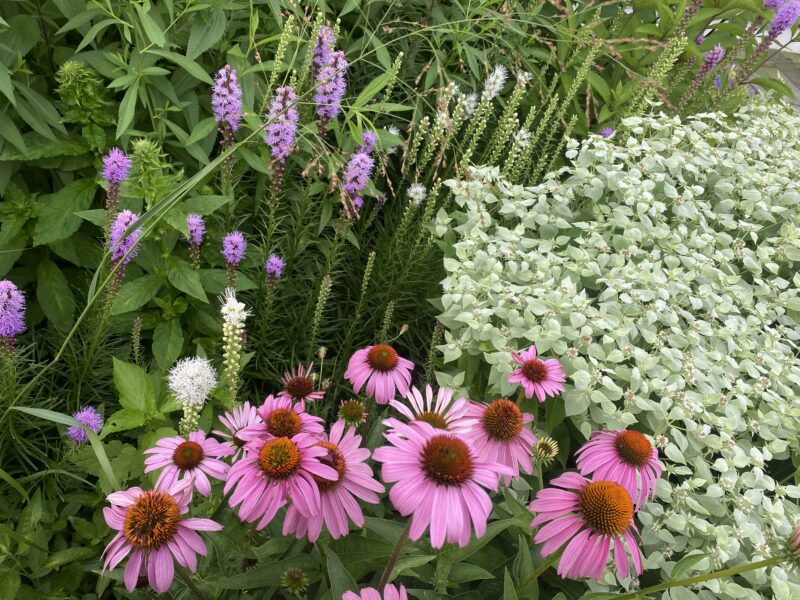
Many native perennials naturally emerge and flower later in the season, occupying the same aerial space that the peony leaves behind. Think of it like spring bulbs such as Daffodils: they bloom early, then fade as other plants take over. The garden uses the same space twice—but at different times on the calendar.
This layered approach is one of nature’s great design strategies. Rather than competing, plants take turns.
So, if you’re willing to be brave with the pruners, your Peonies can coexist beautifully with a thriving native garden. You’ll reduce disease, improve next year’s blooms, and make room for a new wave of flowers that support bees, butterflies, and birds throughout the rest of the growing season.
Sometimes the best gardening isn’t about adding more plants. Instead, it’s about knowing when to step aside and let the next season begin.
Start Your Project with Jessecology now and we’ll meet soon!
Suggested Products


