
Chop and Drop Mulching for Biodiversity and Soil Health
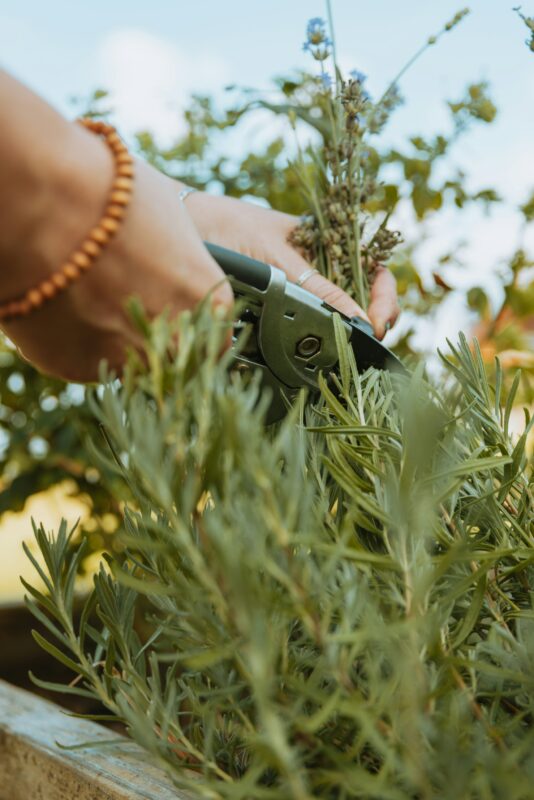
What if one of the best mulches for your garden was already growing there?
Chop and Drop Mulching for Biodiversity.
“Chop and drop” is a simple gardening technique where stems, leaves, and other plant material are cut down and left on the soil surface rather than removed. Nature has used this strategy for millions of years. In forests and meadows, plants grow, die back, and return their nutrients directly to the soil.

Growing Microbial Biodiversity.
The benefits are significant. As plant material decomposes, it feeds fungi, bacteria, earthworms, and other soil organisms. This process builds organic matter, improves soil structure, increases water retention, and gradually releases nutrients back into the ecosystem.
Chop and drop mulching for biodiversity also creates habitat for wildlife. Many beneficial insects rely on dead stems, leaf litter, and organic debris for shelter and overwintering. Native bees may nest in hollow stems, while beetles and other insects use mulch as protection from predators and weather.
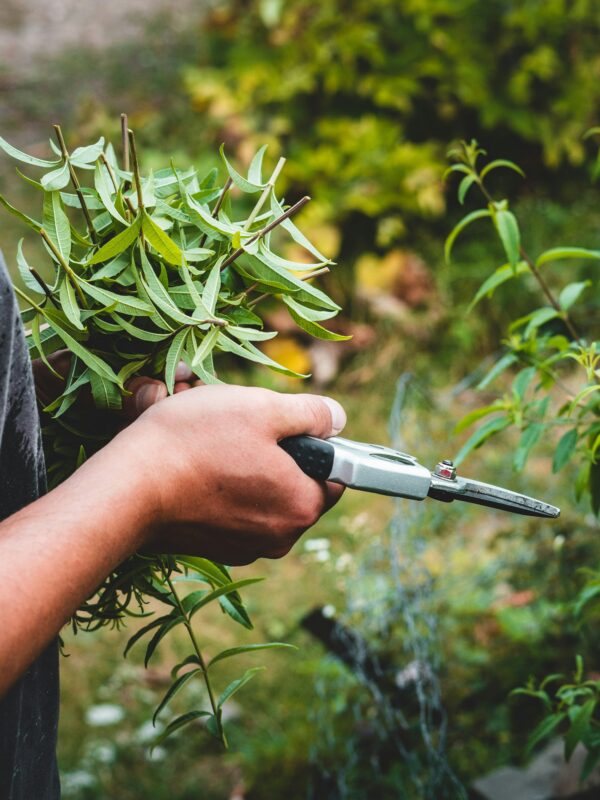
Another advantage is natural weed suppression. A layer of plant material shades the soil, making it harder for weed seeds to germinate. Combined with dense native plantings, this can significantly reduce maintenance over time.
Good materials for chop and drop include native perennials, ornamental grasses, fallen leaves, and non-seeded weeds. Avoid invasive species, diseased plants, or weeds that have already gone to seed.
Traditional landscaping often treats plant debris as waste. Ecological gardening views it as a resource. Every stem and leaf contains nutrients captured from the sun and soil. When those materials remain on site, they continue contributing to the health of the landscape.
At Jessecology Eco-Landscaping, we frequently use chop and drop techniques as part of our stewardship approach. By keeping organic matter cycling through the garden, we build healthier soils, support greater biodiversity, and reduce long-term maintenance.
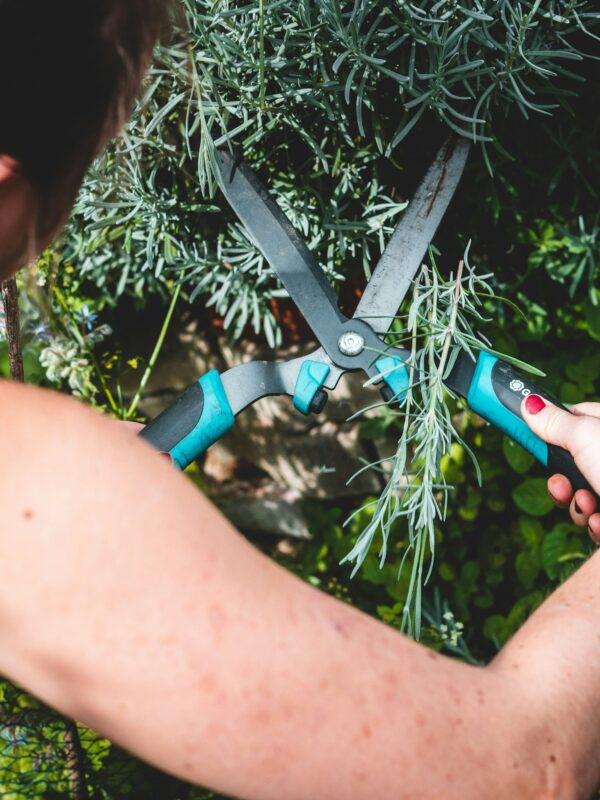
Nature rarely leaves bare soil. When we follow its example, our gardens become more resilient, beautiful, and alive.
Obviously, the Jessecology team would love to work with you!
Start Your Project today and we’ll connect soon.
Suggested Products


