
Fiddlehead Fern: A Spring Delight in the Northeast Garden.
If you spend time in Northeastern forests in early spring, you’ve probably seen them: tight green coils poking up through leaf litter, spiraling toward the sunlight. These whimsical shapes are called fiddleheads, the young growth stage of certain native ferns. They’re a seasonal signal that winter has loosened its grip, and life is beginning again.
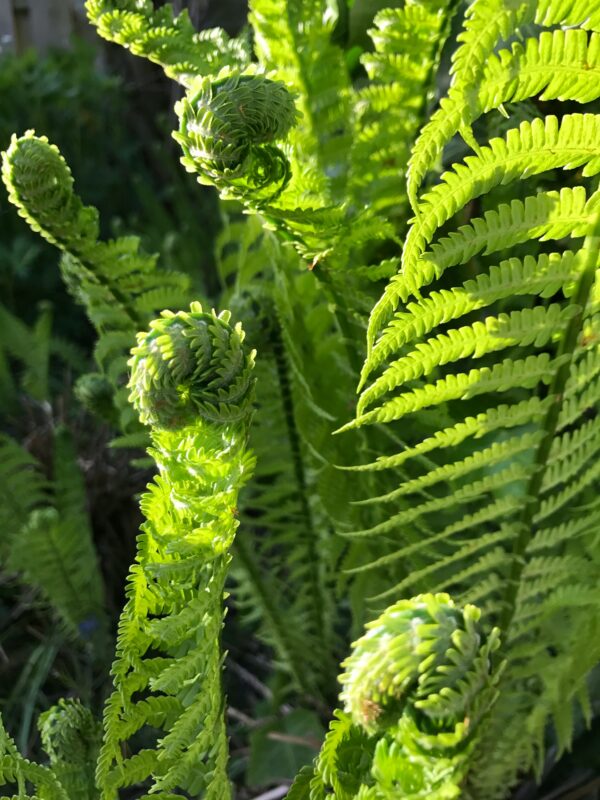
What is a Fiddlehead?
A fiddlehead is the curled frond of a fern before it unfurls. The name comes from their resemblance to the scroll at the top of a violin. Not all ferns produce fiddleheads that are good for eating, but many native species create them each spring as part of their natural growth cycle.
In northeastern woodlands, the most well-known edible fiddlehead comes from the native Ostrich Fern (Matteuccia struthiopteris). These ferns grow in moist, rich soils near streams, wetlands, and shady forest edges.
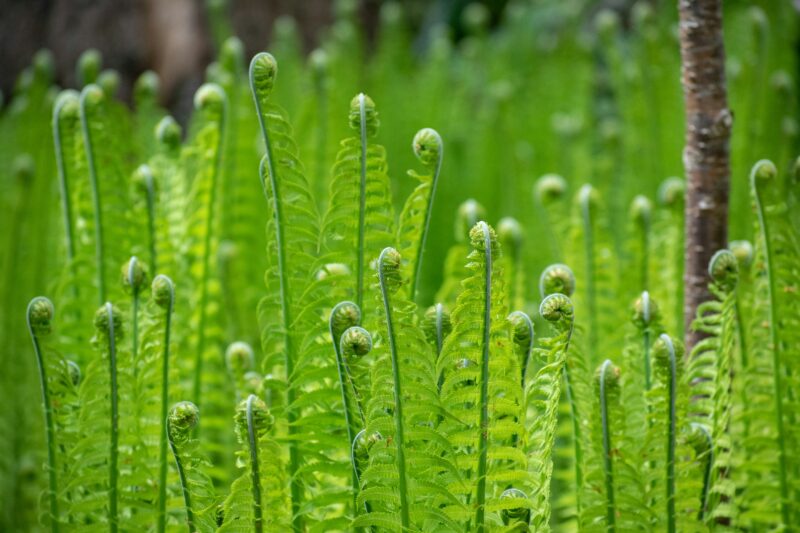
Why We Love Ostrich Fern in the Landscape
Even if you never harvest fiddleheads, Ostrich Fern is an exceptional landscaping plant:
-
Native to the Northeast
-
Thrives in shade
-
Prefers moist, organic, woodland soil
-
Adds dramatic height, structure, and texture
-
Spreads to form lush, sculptural colonies
Mature Ostrich Ferns can reach 3–6 feet, creating a soft, sweeping look that is especially useful in shaded pollinator gardens, along woodland borders, or in restoration plantings.
Fiddleheads as Food
Fiddleheads of the native Ostrich Fern have a long history as a seasonal wild food. Foragers and chefs prize them for their flavor, which is often compared to asparagus with a hint of nuttiness. The season is extremely short—usually late April through mid-May, depending on weather.
If harvesting:
-
Only take 1–2 fiddleheads per plant to keep the fern healthy
-
Wash thoroughly
-
Always cook before eating (never eat raw fiddleheads)
Ecological Role
Like all native ferns, Ostrich Ferns contribute to forest and garden ecosystems by:
-
Providing shelter for insects and amphibians
-
Helping stabilize shaded soil
-
Thriving without fertilizer, pesticides, or irrigation (when sited properly)
-
Supporting healthy forest-floor biodiversity
They are also deer-resistant, which makes them a favorite for Northeastern gardeners living in areas with heavy browsing pressure.
How to Grow Ostrich (Fiddlehead) Fern
To grow your own fiddlehead ferns, basically:
-
Soil: Moist, rich, well-drained, high in organic matter
-
Light: Part shade to full shade
-
Moisture: Prefers consistent moisture
-
Spacing: 2–3 feet apart; they will spread naturally by rhizome
Add leaf mulch annually—this mimics the forest and keeps them even so happy.
Ostrich Fiddlehead Fern at Home.
Fiddlehead ferns soon connect us to the rhythm of spring. In the garden or in the forest, they indeed evoke a sense of emergence, resilience, and wonder. Planting native ferns like Ostrich Fern brings that magic into our home landscapes while supporting authentic Northeast ecology.
Suggested Products


