Author name: Jesse Peters

Plein Air Painting.

Plein Air Painting: Returning to the Garden. Plein air painting is basically the practice of creating art outdoors, directly within the landscape. It is not simply a technique, but a posture toward the world. To paint outside is to accept nature specifically as the primary teacher and collaborator. Nature has in general always been the […]

Plein Air Painting Read More »

Beautiful, mature River Birch is one of the fast growing trees.

River Birch Trees (Betula nigra) River Birch Trees (Betula nigra) are basically one of the great success stories of wet ground. They love saturated soils, seasonal flooding, rain gardens, streambanks, and wetlands, and they do not merely tolerate these conditions, they rather thrive in them. In landscapes shaped by water, River Birch feels inevitable, as

River Birch Trees Read More »

The beauty of native fruiting Black Walnut trees at sunset.

Black Walnut Trees (Juglans nigra): Beauty, Habitat… and a Few Cautions. Black Walnut trees are certainly one of the most magnificent native trees in North America. Juglans nigra rises with a kind of quiet authority: stately form, deeply furrowed bark, and compound foliage that moves like lace in the wind. If you’re creating habitat, this

Black Walnut Trees Read More »

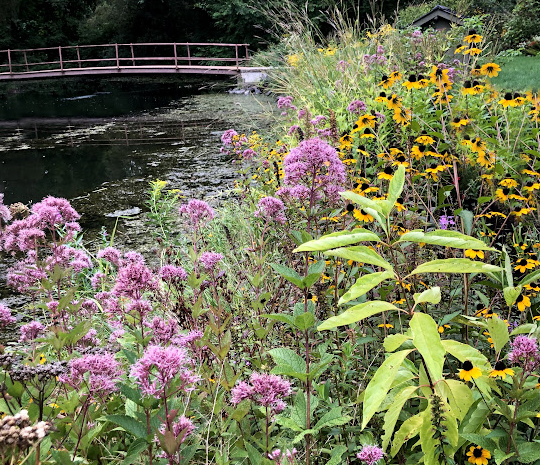
native plants like Little Joe Pye.

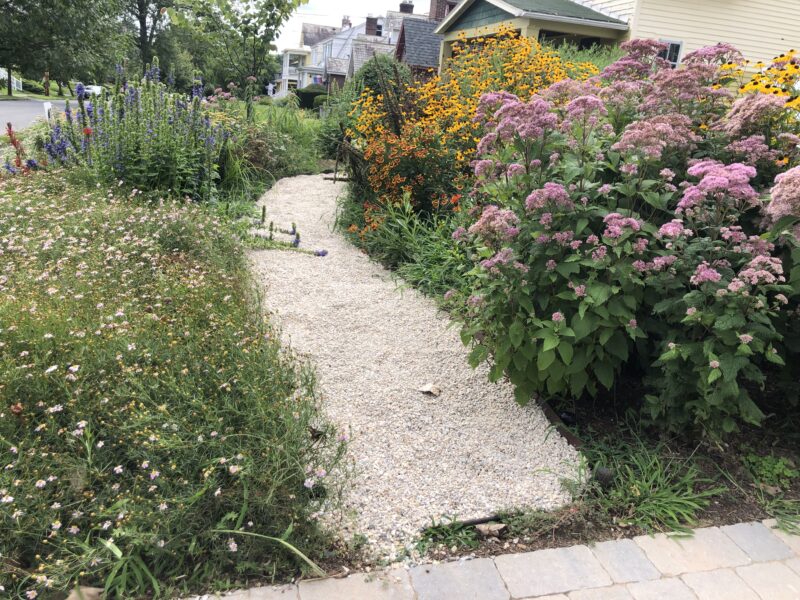
Little Joe Pye Weed: A Petite Powerhouse for Every Garden. Little Joe Pye Weed is one of the most versatile native wildflowers available to gardeners in the Northeast. This compact form of the Eutrochium family brings all the pollinator magic and ecological value of the taller species. However, all that action is packed into a

Little Joe Pye Weed Read More »

Native seed balls start with organic native wildflower seeds.

Winter Seed Sowing Instructions. Winter is the quiet season for gardens, but with winter seed sowing instructions there’s activity. Without doubt it is the most natural time to start next year’s plants. At Jessecology we treat winter sowing as an annual rite of passage. It’s a small act of ecological restoration you can do with

Winter Seed Sowing Instructions Read More »

Flower farm in NY photos.

Organic Plants Organic Plants: Why “Brown Thumbs” Aren’t Real. Many people insist they have a “brown thumb” or that they “just can’t grow anything.” But before anyone labels themselves as a plant failure, there’s a question worth asking. Where are those plants coming from? Most people buy plants from the big box stores. These plants

Organic Plants Read More »

natives plants include Rudbeckia triloba.

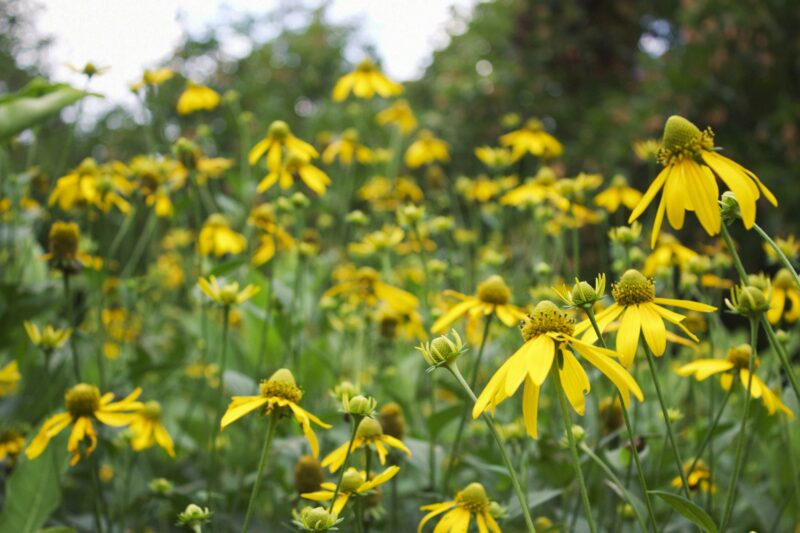
Rudbeckia triloba Wildflowers + Generosity. Tall Black-Eyed Susan (Rudbeckia triloba) is one of the most generous New York native wildflowers you can grow. Moreover, this species stands taller than Rudbeckia fulgida or Rudbeckia hirta. It grows quickly, blooms abundantly, and produces an astonishing number of seeds. As a result, it behaves like a classic “pioneer

Rudbeckia triloba Read More »

Monarda punctata

Monarda punctata Spotted Horsemint Spotted Horsemint (Monarda punctata). Taxonomy: Monarda punctata (Lamiaceae family). Common Names: Spotted Horsemint, Dotted Horsemint, Spotted Beebalm. Spotted Horsemint (Monarda punctata) is one of the most unexpectedly beautiful wildflowers in the New York native palette. This species stands out because of its layered, pagoda-like bracts and dotted tubular flowers. It carries

Monarda punctata Spotted Horsemint Read More »

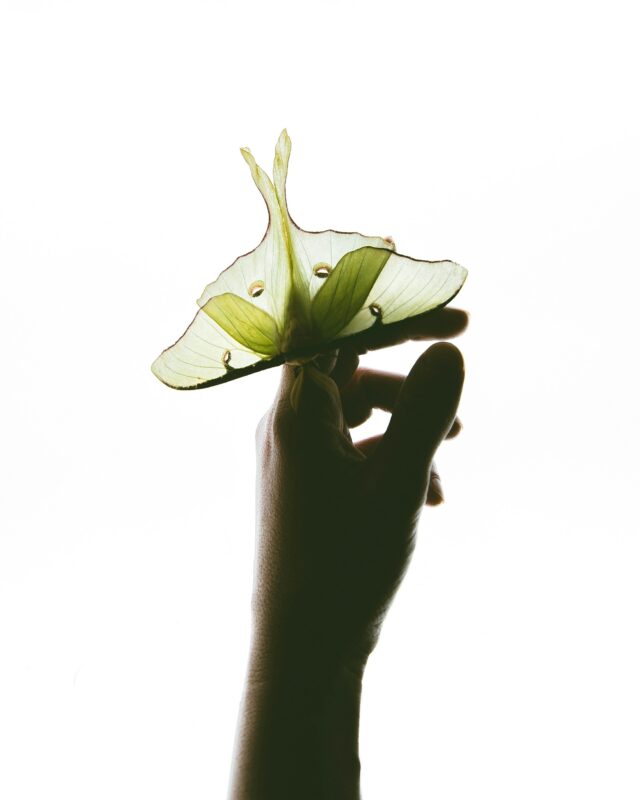
Question Mark butterfly

Question Mark Butterfly (Polygonia interrogationis) The Question Mark Butterfly is one of the most fascinating brush-footed butterflies in North America. Its name comes straightaway from a small silver punctuation-mark-shaped curve on the underside of its hindwings — a clear “question mark.” Once you see it, you’ll never forget it. This butterfly is easy to recognize

Question Mark Butterfly Read More »

Corporate habitat garden projects

Corporate Habitat Garden Projects. Corporate Habitat Garden Projects: Renewing the Local Ecosystem while Saving Money on Maintenance Costs. Corporate habitat garden projects are one of the most effective ways for a business to create visible, lasting good. When a company chooses to replace turfgrass with organic native wildflowers, the results ripple outward. A pollinator garden,

Corporate habitat garden projects Read More »

Phytoremediation with Aster.

New England Aster (Symphyotrichum novae-angliae) A Native Wildflower Worth Knowing. New England Aster is a tall, showy perennial wildflower native across much of North America, prized for its rich violet- to pinkish-purple blooms with bright yellow centers from late summer into fall.   Key Characteristics. Height & form: Typically grows 3-6 ft tall (sometimes up

New England Aster (Symphyotrichum novae-angliae) Read More »

Thimbleweed (Anemone virginiana).

Thimbleweed (Anemone virginiana) Thimbleweed (Anemone virginiana). Thimbleweed (Anemone virginiana) is one of New York’s most adaptable and graceful native wildflowers. Belonging to the Buttercup family (Ranunculaceae), this perennial species is found throughout much of eastern North America. It thrives in a wide range of habitats. From open woodlands and forest edges to sunny meadows and

Thimbleweed (Anemone virginiana) Read More »

Aromatic Aster is the best Aster, subjectively.

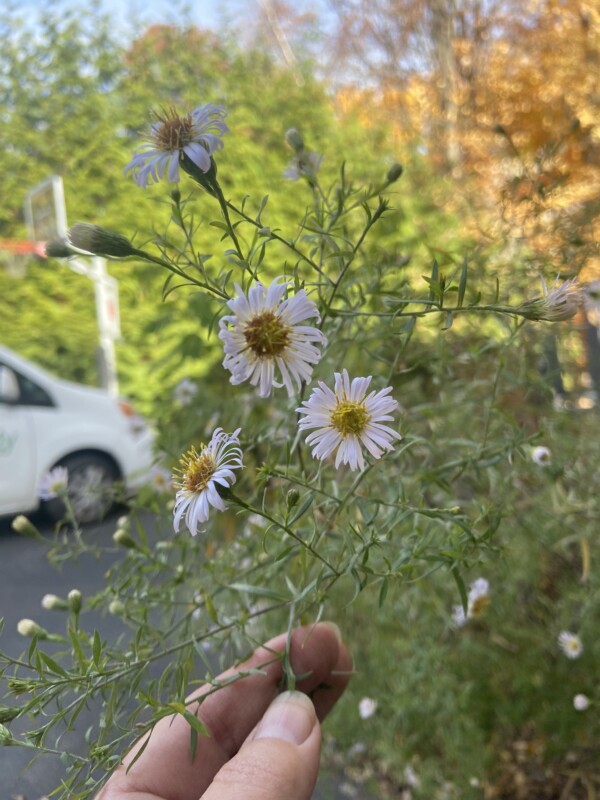
Aromatic Aster (Symphyotrichum oblongifolium) Aromatic Aster (Symphyotrichum oblongifolium) Taxonomy: Family: Asteraceae (Aster family) Genus: Symphyotrichum Species: oblongifolium Common names: Aromatic Aster, Oblong-leaved Aster There’s something enigmatic about Aromatic Aster. It’s one of those late-season native plants that refuses to fade quietly. Just when most wildflowers are shutting down for the year, Symphyotrichum oblongifolium bursts into

Aromatic Aster (Symphyotrichum oblongifolium) Read More »

Bluewood Aster (Sym. cordifolium) up close.

Heartleaf Aster (Symphyotrichum cordifolium) Heartleaf Aster (Symphyotrichum cordifolium) is also known as Bluewood Aster. Certainly, this species is one of the most abundant, reliable and flexible native wildflowers you can grow. Aster cordifolium brings a soft lavender-blue glow to the autumn landscape — shining bright in both woodland shade and full sun. It’s a favorite

Heartleaf Aster (Symphyotrichum cordifolium) Read More »

White Admiral Butterfly. The White Admiral (Limenitis arthemis) is one of the most elegant native butterflies in New York. As a matter of fact, it lives across the northern United States as well. Observers easily recognize Limenitis arthemis by its striking black wings banded with a clean white stripe. This woodland species is a frequent

White Admiral Butterfly Read More »

wildflower weddings

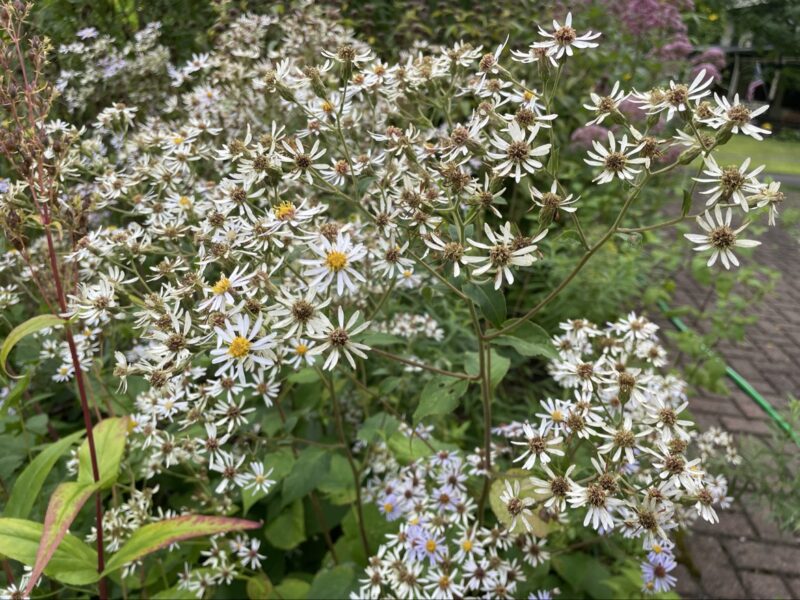
Flat Top Aster (Döellingera umbellatus) Flat-Top Aster (Döellingera umbellata) Taxonomy: Family: Asteraceae (Aster family) Genus: Döellingera Species: umbellata Common names: Flat-Top Aster, Parasol Aster. Few plants catch you off guard the way Flat-Top Aster does—especially when you find it blooming in the least expected places, like the edges of damp country roads or low-lying ditches.

Flat Top Aster (Döellingera umbellatus) Read More »

Plants that repel mosquitoes work best next to flowing water.

Plants That Repel Mosquitoes. There’s something very magical about summer evenings in the garden—until the mosquitoes show up. Luckily, nature provides elegant, fragrant solutions that keep our outdoor spaces enjoyable without resorting to chemicals. 1. Aromatic Herbs: Basil & Lemongrass. Aromatic herbs are a gardener’s best friend when it comes to natural pest control. Basil

Plants that repel mosquitoes Read More »

Best DIY potting soil mix includes worm castings!

Best DIY Potting Soil Mix for Healthy Plants. Plants grow best in a clean, balanced strata—something that holds moisture, drains well, and offers enough nutrition for roots to explore freely. The perfect DIY potting soil blend is easy to make at home and creates the ideal environment for strong, healthy growth. The Ideal Blend: Best

Best DIY potting soil mix Read More »

Fiddlehead ferns.

Fiddlehead Fern: A Spring Delight in the Northeast Garden. If you spend time in Northeastern forests in early spring, you’ve probably seen them: tight green coils poking up through leaf litter, spiraling toward the sunlight. These whimsical shapes are called fiddleheads, the young growth stage of certain native ferns. They’re a seasonal signal that winter

Fiddlehead Fern Read More »

Ivan Chai is native wildflower tea.

Fireweed (Epilobium angustifolium): A Wildflower of Immense Range and Culture. Fireweed (Epilobium angustifolium), also known as Willow Herb, is one of those remarkable native plants that seems to follow humanity and disturbance, and then heal what’s been broken. From the charred soils of post-wildfire forests to roadside gravels and glacial valleys, Fireweed is basically a

Fireweed (Epilobium angustifolium) Read More »