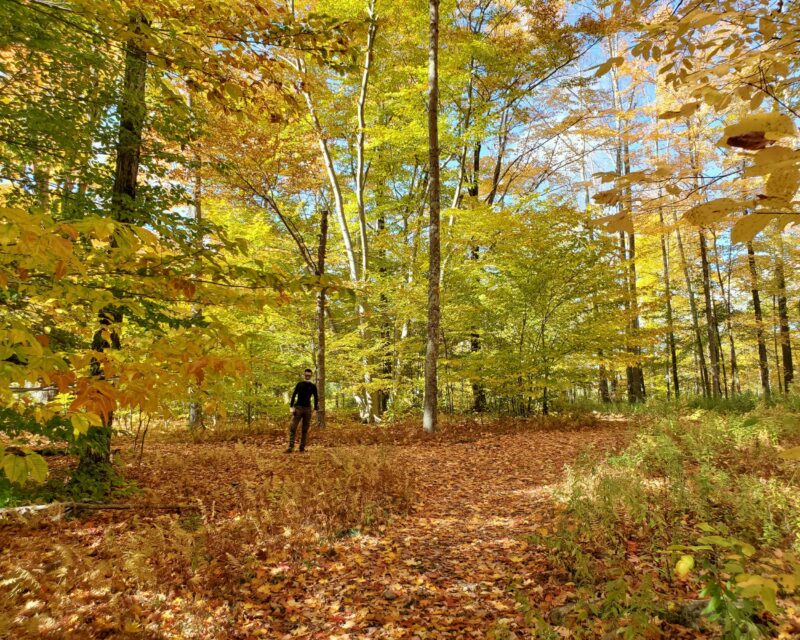
Forest Succession: How a Forest Builds Itself Over Time. Forest succession is generally the ecological process that describes how a forest establishes, develops, and matures after disturbance. Whether the land has been cleared, burned, or simply left open, plant communities do not appear randomly. They arrive in a sequence. Each group basically prepares the way […]
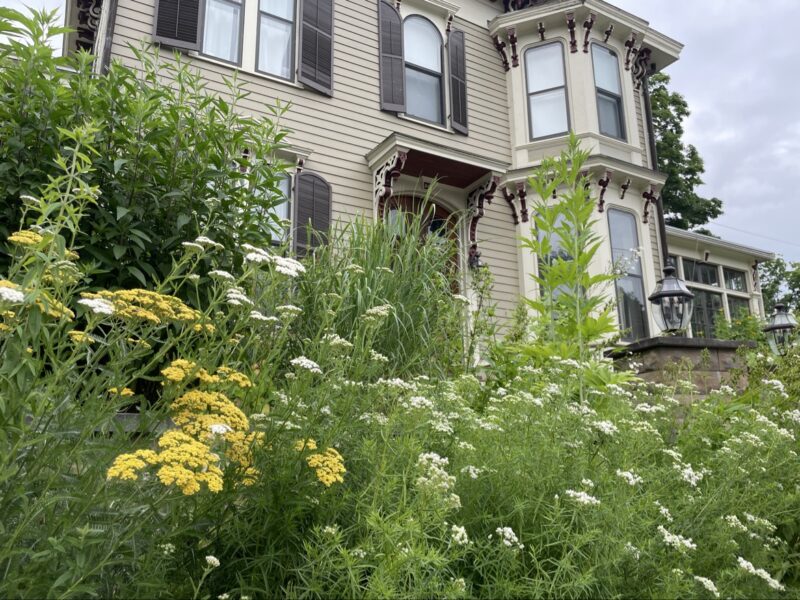
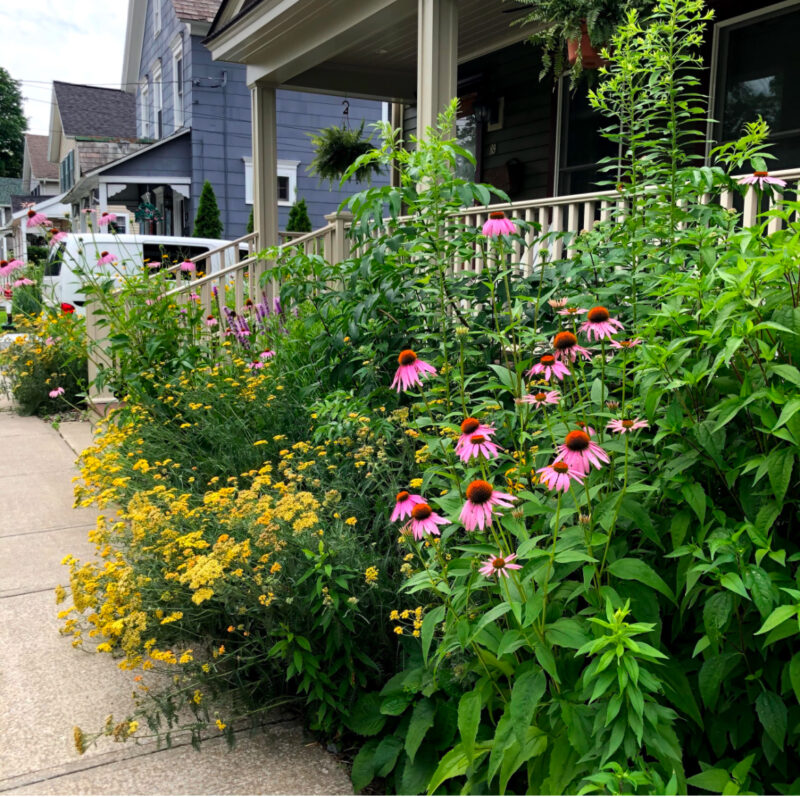
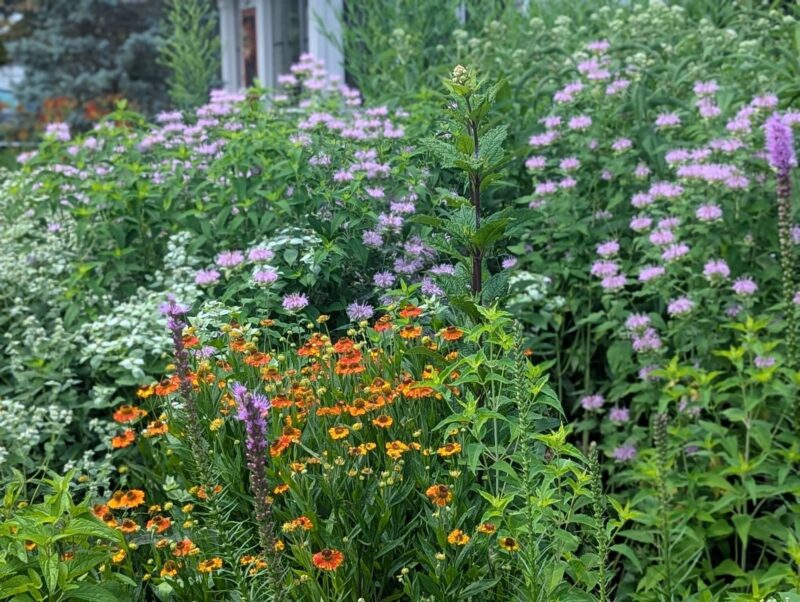
Pollinator Gardens in Albany, NY To be sure, in the past few years, many customers have reached out requesting pollinator gardens in Albany, NY. We love it! Native plants are exactly what we need for urban habitat restoration. Many of our clients live in the neighborhoods surrounding SUNY Albany or the College at Saint Rose.
Pollinator Gardens in Albany, NY Read More »
Before, During, After: The Transformation of a Native Plant Garden Before During After. Every native plant garden begins with a view that appears a little underwhelming. The before stage is often bare, compacted, and unimpressive. Turf grass, invasive plants, or tired soil dominate the space. To the untrained eye, it can feel like nothing beautiful
Before, During, After Read More »
Early Blooming Natives. Most of the flowering native plants that grow in eastern US butterfly gardens and pollinator gardens trend towards late season blooming. The timing aligns locally perfectly with the Saratoga annual racetrack season. The horses race from July through September. And that’s exactly when area native gardens in sunny spaces are blowing up
Early Blooming Natives Read More »
Climate-resilient corporate landscaping. Climate resilient corporate landscaping is a lot more than an exterior upgrade or capital gains. (Although those tangible gains are very welcome in most campuses.) After that, a strategic investment in the health of your property, your people, and the entire region can be realized. When a corporate campus chooses native plants,
Climate resilient corporate landscaping Read More »
Protecting Plants from Deer. The Mild Winter Affect. Altogether the mild winter this year gave way to an exploding mammal population in spring. Undoubtedly there are more chipmunks, squirrels, rabbits, woodchucks, skunks and deer than normal. A seasonally typical year results in some natural checks and balances to wildlife populations. Conversely, a snowstorm absent winter
Protecting Plants from Deer Read More »
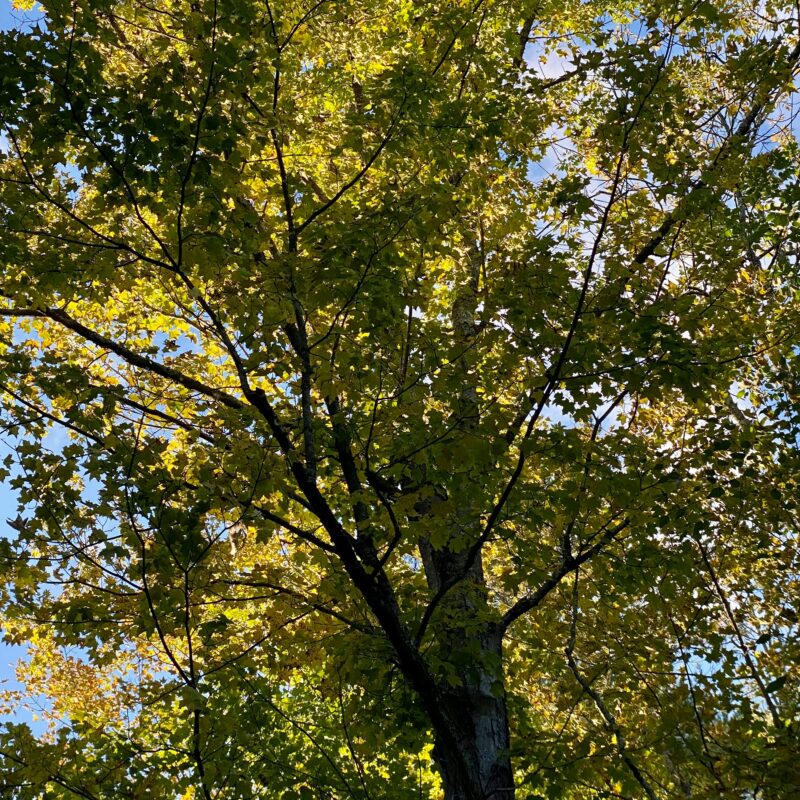
Sugar Maple Tree Sugar maple trees (Acer saccharum) are iconic North American trees known for their stunning fall foliage and sap used to produce maple syrup. Here are some key details about sugar maple trees: Sugar Maple Characteristics Size and Growth: Sugar maples can grow to heights of 60-75 feet, with some reaching up to
Corporate Habitat Garden Projects. Corporate Habitat Garden Projects: Renewing the Local Ecosystem while Saving Money on Maintenance Costs. Corporate habitat garden projects are one of the most effective ways for a business to create visible, lasting good. When a company chooses to replace turfgrass with organic native wildflowers, the results ripple outward. A pollinator garden,
Corporate habitat garden projects Read More »
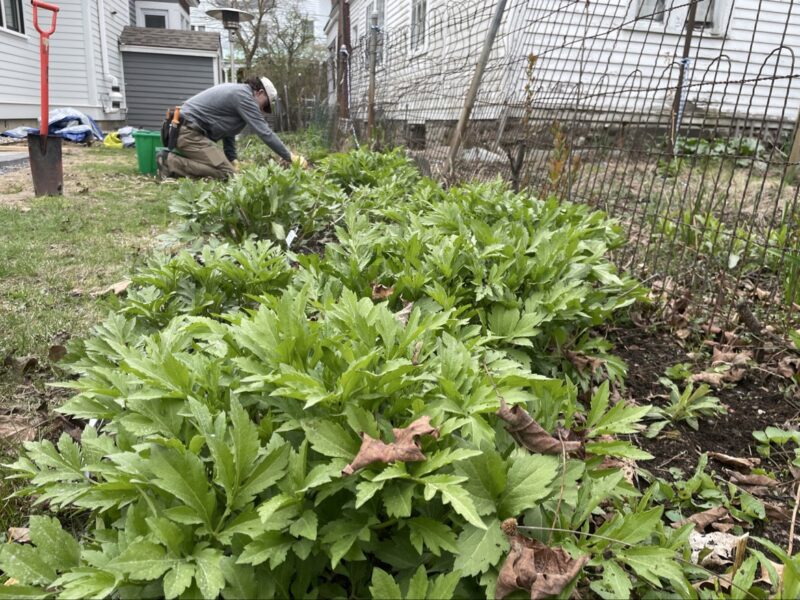
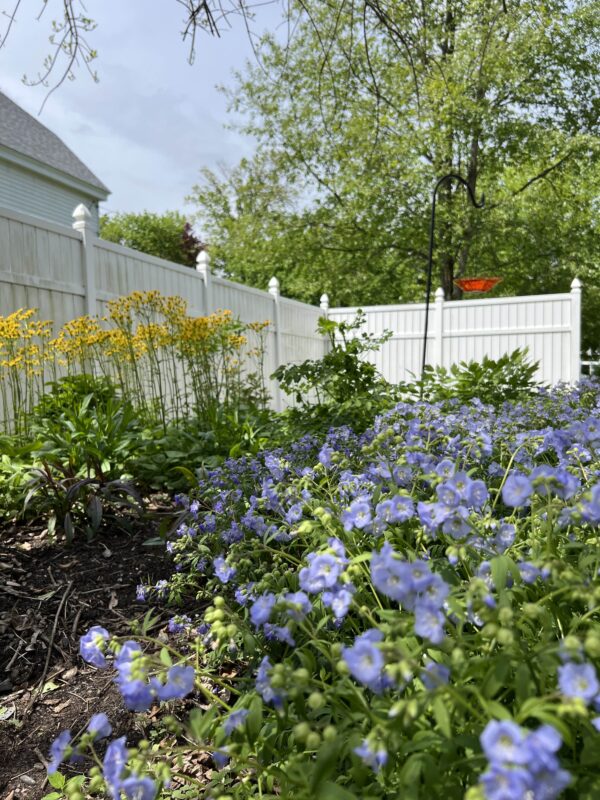
Native Species Awakening. Gardeners often have an unexpected learning curve when they begin to add native plants to their gardens. In springtime, when native species wildflowers wake up from winter dormancy it can seem underwhelming for a while. The immediate gratification of vegetable gardening and big box store plant shopping are obstacles to true real
Native Species Awakening Read More »
Time Builds Beauty Time Builds Beauty. Landscapes are not created all at once. They unfold. In native gardens especially, the most meaningful changes happen gradually, shaped by seasons, soil, and time. While modern landscaping often promises instant results, ecology tells a quieter truth. Time builds beauty. In the Beginning. In the first year after planting,
Time Builds Beauty Read More »
Native Garden Spring Cleanup: The Right Way to Clean Up a Pollinator Garden. Native wildflowers and grasses don’t wake up alone in spring. The insects, amphibians, spiders and reptiles wake up with them. Native Garden Spring Cleanup: Be Patient to Start. Many of the pollinators, beetles, moths, butterflies, and native bees that visited your garden
Native Garden Spring Cleanup Read More »
Ecosystem Services. Ecosystem services refer to the benefits that humans derive from functioning ecosystems. These services can be categorized into four general types: provisioning services, regulating services, supporting services, and cultural services. Responsible and thoughtful landscaping plays a crucial role in enhancing and maximizing these ecosystem services. Provisioning Services: Provisioning services involve the tangible products
Ecosystem Services Read More »
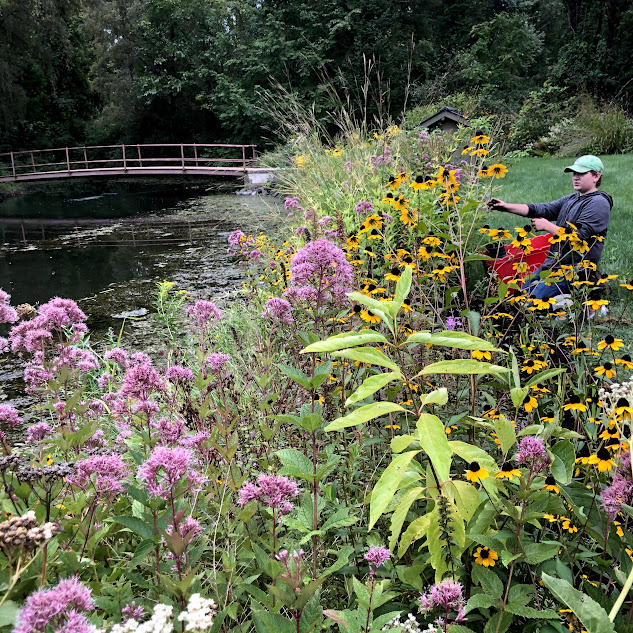
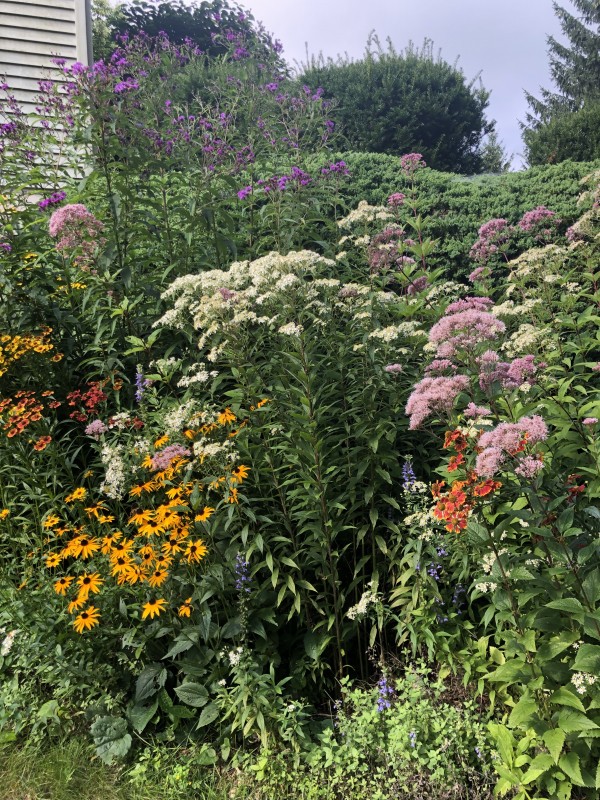
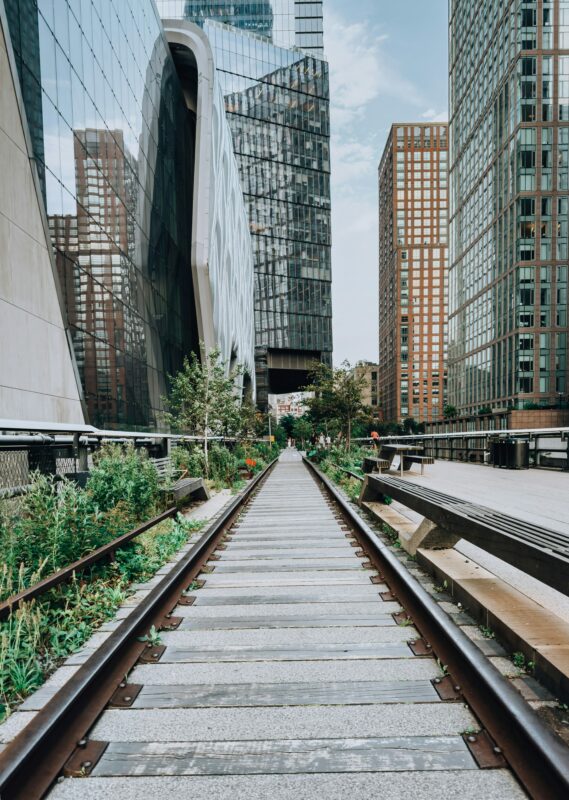
Naturalistic Planting. The internationally renowned landscape designer and plantsman Piet Oudolf has popularized a new design style known as naturalistic planting. And so, in the NYC Highline Garden and all the worldwide Botanical Gardens Mr. Oudolf has designed, you can see this theme of beautiful, organized chaos. Natural beauty is celebrated in all its wildness
Naturalistic Planting Read More »
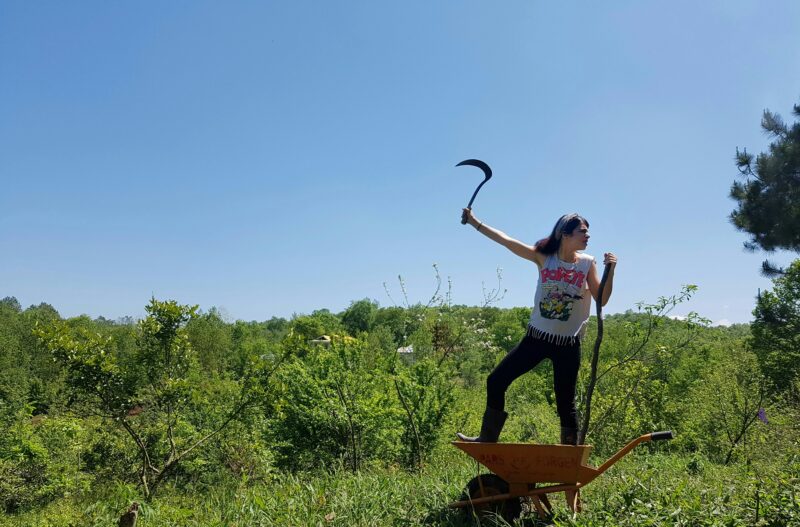
Invasives + Kindness. (continued). Several years ago we began a deep exploration into healthy land restoration after invasives have devastated a site. The problem is real and gross. For example, in Saratoga Springs, NY the beautiful public park on High Rock Rd is haunted by invasive Japanese Knotweed. Behind the park to the west side,
Invasives + Kindness Read More »
Corporate campus landscaping Corporate Campus Landscaping: Transform Your Workplace into a Living Ecosystem. Surprisingly, corporate campuses across the country are beginning to rethink what landscaping can be. Traditional landscaping looks tidy from a distance, but it comes with constant mowing, chemical inputs, irrigation systems, and high maintenance costs. Native plant landscaping flips that script. A
Corporate campus landscaping Read More »
Blue Vervain (Verbena hastata) is a beautiful and versatile plant that is native to North America. It is a tall, slender plant with spikes of deep blue flowers that bloom from June to September. The plant can grow up to 4-6 feet in height. As a matter of fact, it has a wide range of
Blue Vervain (Verbena hastata) Read More »
Matrix Planting What Is Matrix Planting? Matrix planting is a design approach where a dominant, continuous ground layer supports and stabilizes a comparatively smaller number of feature plants that emerge through it. Think of the matrix basically as the living fabric of the garden. The structure further integrates everything else. Ecologically, this mirrors how real
Landscape Transformation Process Landscape Transformation Process: Every great garden begins with a little faith. The before stage can look bare, messy, or even disappointing at first. Bare soil. Open space. A lot of possibility. This is the starting line of transformation, and it’s where every beautiful landscape begins. Landscape Transformation Process: The “During” Phase
Landscape Transformation Process Read More »
Native plants for New York State gardens. Native Plants for New York State Gardens. If you’re planning a garden in New York State, native plants are the best choice you can make. These plants evolved in our local ecosystems, meaning they’re naturally adapted to the climate, soil, and wildlife of the region. Native plants are
Native plants for New York State gardens Read More »
Japanese Knotweed Remediation Japanese Knotweed Remediation: Listening to the Soil Beneath the Problem Japanese Knotweed is altogether often labeled an enemy. It spreads quickly, dominates disturbed land, and challenges even experienced land stewards. Yet this plant is not appearing by accident. Its presence is a signal. Japanese Knotweed thrives where soil chemistry is deeply imbalanced
Japanese Knotweed Remediation Read More »