
Stop Putting Your Garden to Bed for Winter. Regarding fall garden cleanup + ecological reality.
Rethinking fall garden cleanup practices.
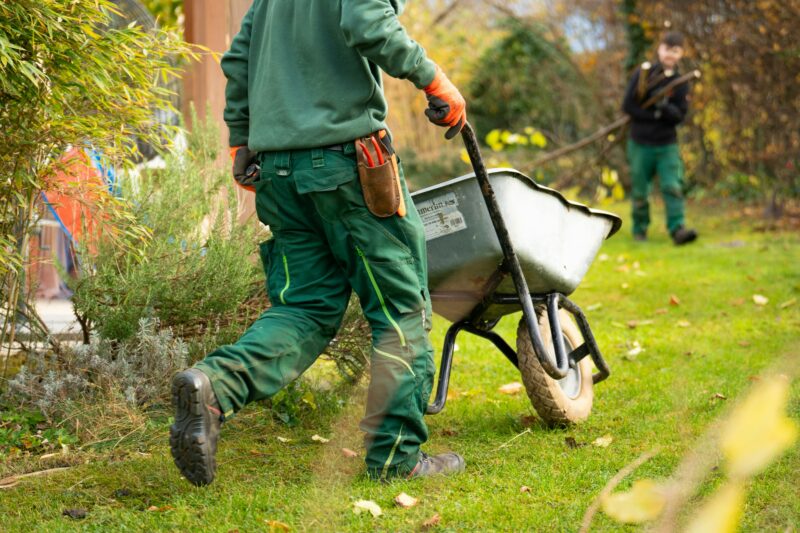
For generations, gardeners have been told that fall means it’s time to “put the garden to bed,” with pretty meticulous fall garden cleanup practices.
Fall garden cleanup generally has meant… Cut everything down. Rake everything up. Remove the leaves. Bag the stems. Make everything neat and tidy before winter. From an ecological perspective, we need to rethink this entire fall garden cleanup ritual.
Your garden isn’t going to bed. It’s still very much alive.
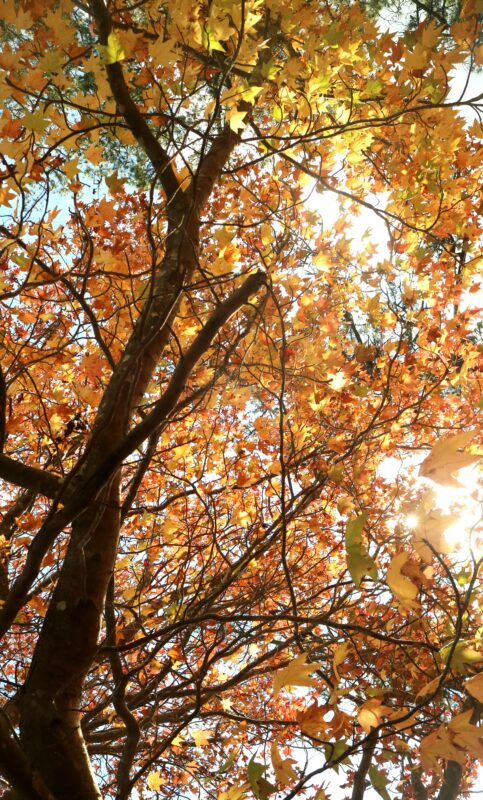
1. Leave the Leaves.
Fallen leaves aren’t garbage. They’re habitat.
Moths, butterflies and countless other invertebrates spend the winter in leaf litter as eggs, caterpillars, pupae or adults. Leaves also protect soil, moderate temperature, retain moisture and eventually return nutrients and organic matter to the ground.
Instead of sending them away, rake leaves from lawns, driveways and sidewalks into your garden beds. Free mulch!
2. Stop Cutting Everything Down.
Those brown stems may look dead to us, but they’re still providing ecosystem services. Standing stems provide winter structure and shelter, and some native bees use hollow or pithy stems for nesting. Seed heads from plants such as Asters, Goldenrods and Coneflowers can also provide food for birds.
Additionally, a frost-covered native garden is beautiful. The plant skeletons become more beautiful over time through late winter.
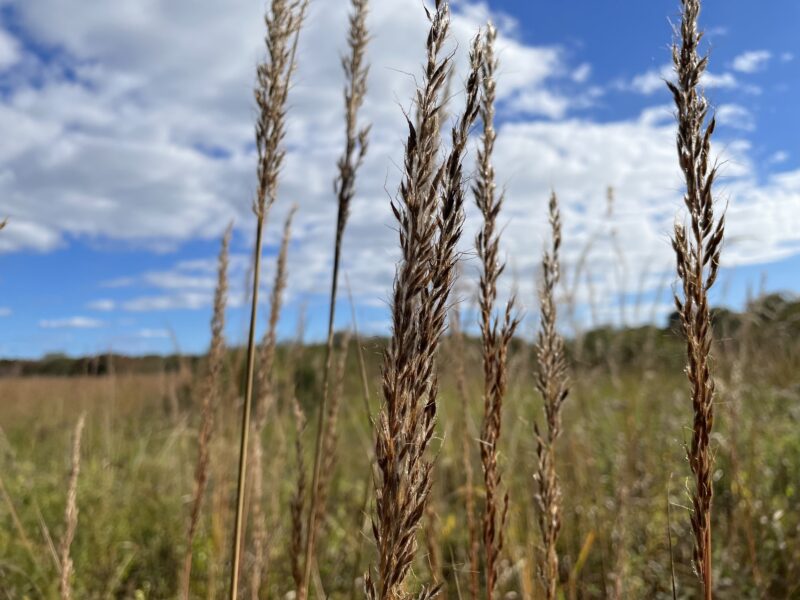
3. Let the Seeds Stay.
That messy-looking seed head is somebody’s pantry. Finches and other seed-eating birds will continue visiting native plants long after the flowers disappear. Cutting everything down in October removes a naturally occurring food source just when the growing season is ending.
4. Don’t Make Bare Soil.
Nature doesn’t particularly like bare ground. All in all, nature abhors a vacuum.Leaves, stems and living plants protect the soil from erosion and temperature extremes.
Organic material slowly decomposes and feeds the soil community beneath your garden. A healthy garden shouldn’t need to be scrubbed clean every November.
5. Do Remove the Things That Actually Cause Problems.
Ecological gardening doesn’t mean doing nothing. Fall is a great time to remove invasive plants, pull (or cut) unwanted weeds before they seed and clear diseased plant material when appropriate. Be strategic rather than tidy.
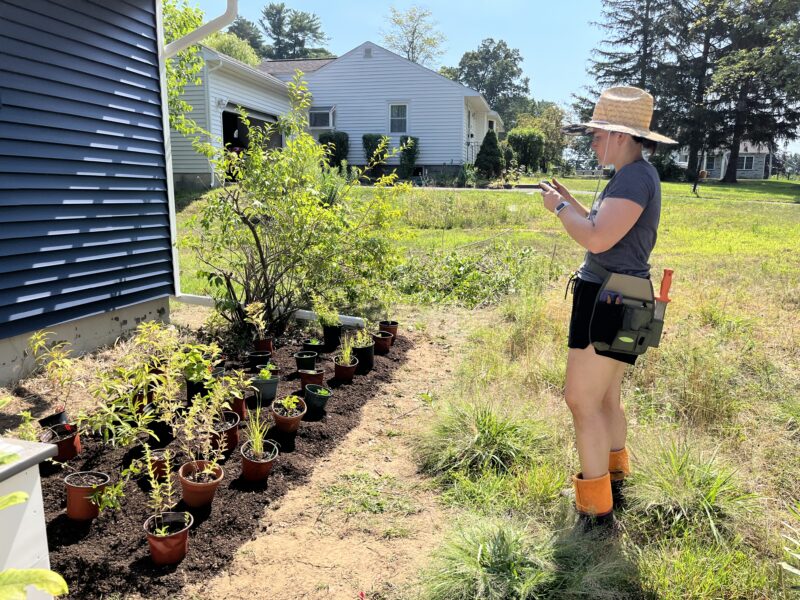
6. Fall is the Best Time to Make Adjustments to Your Garden.
Once weeds and invasive plants are removed, use the newly opened space to add more native plants and so increase your local biodiversity. Maybe you’ve been daydreaming about an obscure native plant to explore planting? A little strategic work now can mean a fuller, more exciting garden next spring.
(Independent expertise exists because of your support. Affiliate links help our small business at no extra cost to you.)
7. Wait Until Spring for the Big Cleanup.
Even then, don’t attack the garden the first warm afternoon in March. Many insects are still overwintering. Give the garden time to wake up. When you eventually cut stems, consider leaving some standing rather than cutting everything to the ground.
Your Garden Isn’t Dead. It’s going dormant for winter, though. The traditional American garden aesthetic taught us that brown means dead, leaves mean messy and standing stems mean neglected. But ecology inspired land management helps us cooperate with nature instead.
A native garden in November should not look like an empty mulched bed. It can be full of seed heads, fallen leaves, stems, birds, insects and next year’s life waiting for spring. So this year, don’t put your garden to bed. Let it have life and breath all year.
Suggested Products


