
Winter Seed Sowing Instructions.
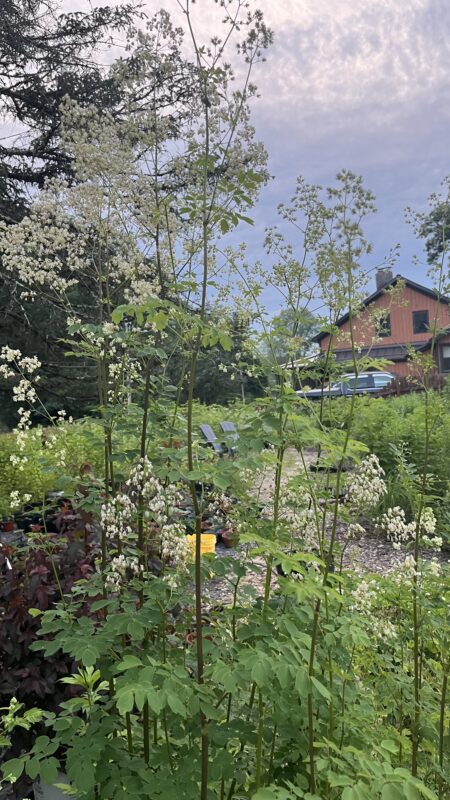
Winter is the quiet season for gardens, but with winter seed sowing instructions there’s activity. Without doubt it is the most natural time to start next year’s plants. At Jessecology we treat winter sowing as an annual rite of passage. It’s a small act of ecological restoration you can do with only a tray, a handful of seeds, and the willingness to cooperate with the seasons. Winter sowing asks very little of you and gives so much back.
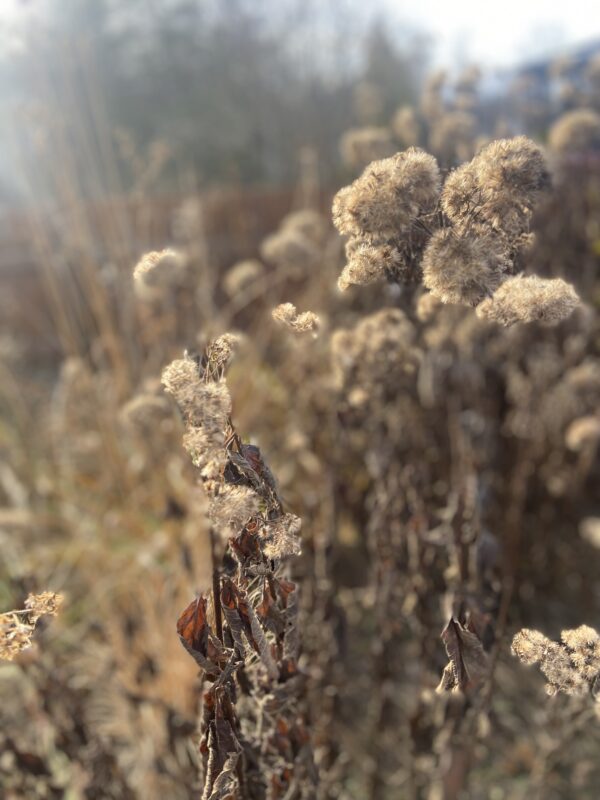
Winter Seed Sowing Instructions
Most native perennial seeds require natural cold stratification to break dormancy. The freeze and thaw cycles of winter mimic the conditions these species evolved with. Instead of micromanaging humidity domes or juggling indoor lights, let the weather do the work. From the first hard frost through mid-January is an excellent window to sow. This timing allows seeds to settle into their trays, absorb moisture, and rest until daylight increases.
Wildflower Seed Supply.
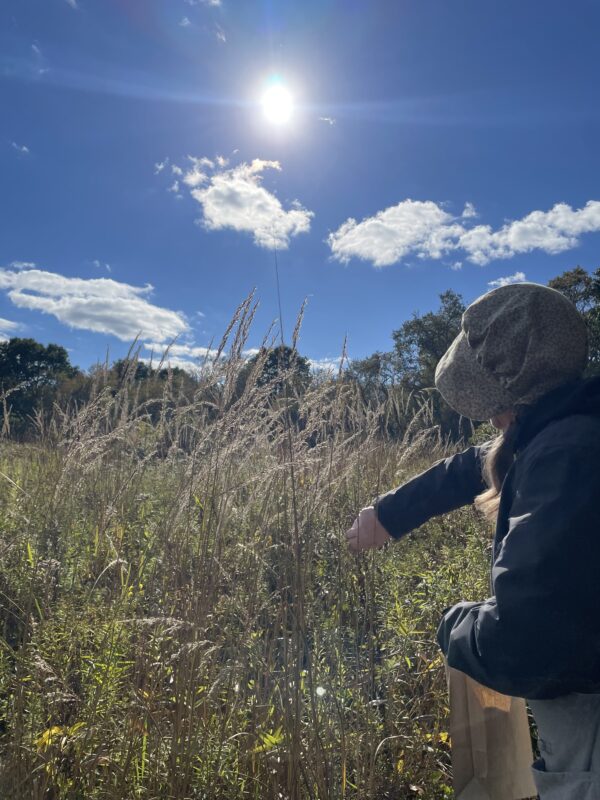
Your seed supply can begin with ethical collection practices throughout the year. This means taking only a small percentage of available seed at any site and leaving the rest for wildlife and natural regeneration. Collecting respectfully protects genetic diversity and prevents stress to rare or sensitive populations. A simple paper bag and a felt tip marker are all you need in the field. Label everything immediately. Many gardeners learn the hard way that unlabeled seed looks exactly the same by February.
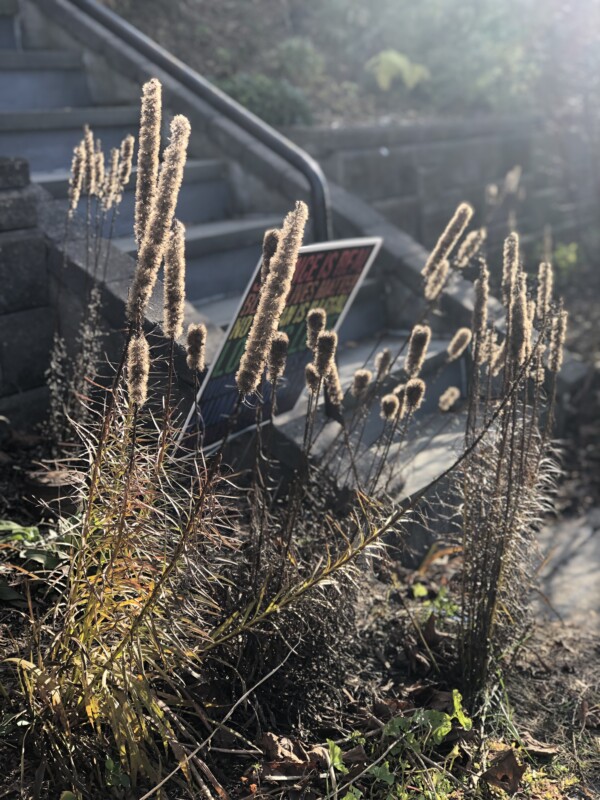
Purchase organic wildflower seed straightaway, right here.
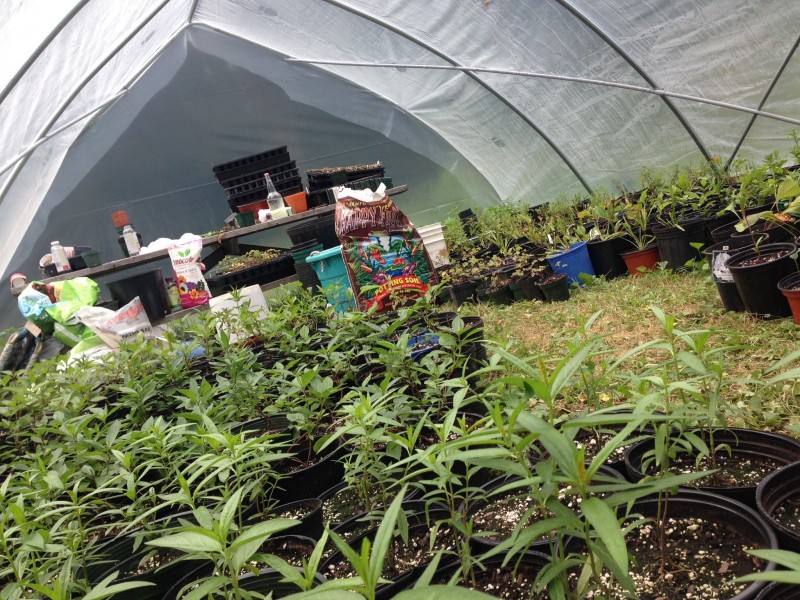
For storing seed before sowing, keep a stack of envelopes, lunch bags, and old paper grocery sacks ready. Sharpie markers become essential tools for documenting species, dates, and locations. Over time you will develop a loose system for sorting the paper bags on shelves or in crates. The containers for sowing can be just as eclectic. Save every sturdy pot you acquire during the year. Deep 32 or 50 cell trays are excellent for reliable germinators like Penstemon, Echinacea, Monarda, and Rudbeckia. Community flats with no cells are helpful for Carex or other species with staggered germination. Deep-rooted plants such as Asclepias appreciate being sown directly into tall pots so their roots can grow downward without stress.
Notes on Process.
After sowing, place the trays outdoors in a protected area where rain or snow can reach them. Native seedlings are tougher than most gardeners realize. By early spring you will see cotyledons unfurling, proof that winter did exactly what these seeds needed.
Early spring is a good time for shrub and woody plant propagation. Many native shrubs respond well to dormant hardwood cuttings taken in spring or early summer. Willow, Dogwood, Buttonbush, Elderberry, and many others can root reliably if placed in moist sand or a well draining mix. This easy seasonal experiment pairs nicely with winter seed sowing and helps build a diverse habitat garden.
Winter sowing is a calm, steady practice. A few minutes now become hundreds of plants in spring, ready to restore habitat and bring beauty back into your landscape. If you cultivate this rhythm each year, your garden becomes not just a place you relax and vibe out but a place that continually renews itself.
Wildflower seed sowing instructions for the whole year can be found right here.
Suggested Products


