
Rain Garden Design & Installation
Beautiful Rain Gardens That Work With Nature
Rain doesn't have to become runoff.
At Jessecology, we design and install beautiful native rain gardens that capture stormwater, improve drainage, reduce erosion, and create thriving habitat for birds, butterflies, bees, and other wildlife. Every rain garden is carefully designed to fit your landscape while solving real drainage problems using nature instead of pipes, chemicals, or artificial systems.
Whether your property experiences standing water after storms or you simply want a more sustainable landscape, a professionally designed rain garden offers one of the most effective long-term ecological solutions.
Our rain gardens are built with native New York plants that naturally tolerate changing moisture conditions while providing year-round beauty and valuable wildlife habitat. These gardens capture runoff from roofs, driveways, patios, and lawns, allowing water to slowly soak back into the soil where it belongs. Native plants, with their extensive root systems, dramatically improve infiltration and resilience compared with conventional landscaping.
Whether you’re looking to replace a high-maintenance lawn, create a pollinator habitat, install a rain garden, or redesign your entire property, native plant landscaping offers a sustainable solution that works with nature rather than against it.
What Is a Rain Garden?
A rain garden is a shallow landscaped basin designed to collect and absorb stormwater runoff before it leaves your property.
Instead of allowing water to rush across lawns, sidewalks, and driveways carrying sediment and pollutants into streams, wetlands, and lakes, a rain garden temporarily holds the water while native plants and healthy soil naturally filter it.
Unlike ponds, rain gardens are designed to drain within a day or two after a rainfall, meaning they do not create standing water or mosquito problems.
Think of it as nature’s drainage system—beautiful, functional, and environmentally beneficial.
Benefits of a Native Rain Garden
A professionally designed rain garden provides benefits far beyond improving drainage.
Reduce Flooding & Standing Water
If water pools in your yard after heavy rain, a rain garden helps redirect and absorb runoff naturally.
Protect Local Waterways
Rain gardens filter sediment, fertilizers, oils, and other pollutants before they reach nearby streams, ponds, wetlands, and rivers.
Increase Biodiversity
Every rain garden becomes a miniature ecosystem supporting dozens of native species.
Reduce Lawn Maintenance
Many homeowners replace difficult-to-maintain lawn areas with attractive native rain gardens requiring less mowing, watering, and fertilization.
Increase Property Beauty
Rain gardens create dynamic landscapes with changing blooms, textures, grasses, seed heads, and seasonal interest from spring through winter.
Support Pollinators
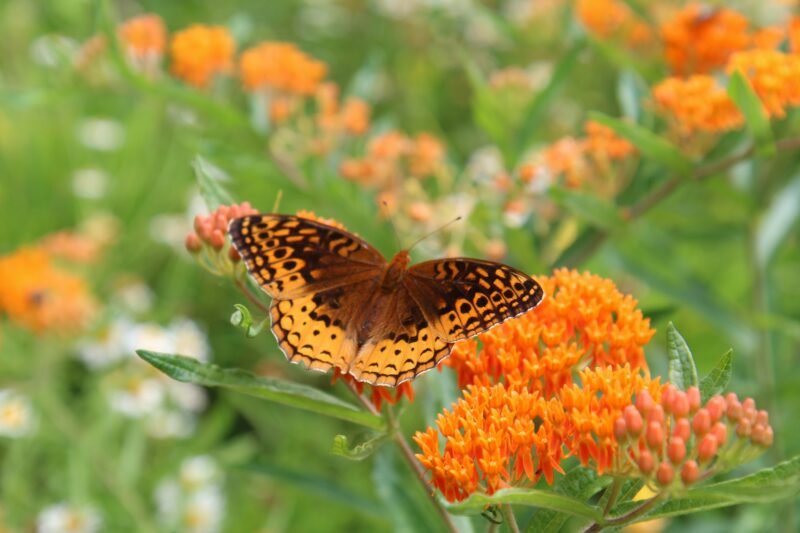
Our rain gardens feature native flowering plants that provide nectar and habitat throughout the growing season for: Native bees, Butterflies, Hummingbirds, Beneficial insects
Our Rain Garden Design Process
Every property is unique. Rather than installing a one-size-fits-all solution, we evaluate:
Existing drainage patterns
Soil conditions
Sun exposure
Roof runoff
Existing vegetation
Wildlife opportunities
Landscape aesthetics
Low maintenance
We then create a custom rain garden that blends naturally into your property while managing water effectively.
Native Plants Make the Difference
Many rain gardens fail because they’re planted with ornamental species that aren’t adapted to changing moisture conditions.
Jessecology specializes exclusively in native plants that have evolved to thrive in New York.
Depending on site conditions, your rain garden may include species such as:
- Blue Flag Iris
- Swamp Milkweed
- Joe-Pye Weed
- Cardinal Flower
- Blue Lobelia
- New England Aster
- Ironweed
- Sedges
- Switchgrass
- Little Bluestem
- Buttonbush
- River Birch
These plants develop deep root systems that improve infiltration, stabilize soil, and provide habitat for wildlife.
Rain Gardens That Blend Into Your Landscape
Many people imagine rain gardens as obvious depressions or drainage ditches.
In reality, a professionally designed rain garden can become one of the most attractive features on your property.
Our designs may include:
- Natural stone
- Native grasses
- Wildflowers
- Woodland edges
- Curved planting beds
- Pollinator habitat
- Meadow transitions
- Walking paths
- Decorative boulders
The result is a landscape that feels completely natural while quietly managing stormwater.
Ideal Locations for Rain Gardens
Rain gardens work well on many residential and commercial properties.
Common installation locations include:
Downspouts
Driveway runoff
Sloped lawns
Low areas
Parking lots
Community spaces
Schools
Parks
Office campuses
HOA common areas
Ecological Stormwater Management
Traditional drainage often moves water away as quickly as possible.
Ecological landscaping asks a different question:
How can we keep rainwater on the landscape where it benefits the ecosystem?
Rain gardens slow water, allow it to infiltrate naturally, recharge groundwater, reduce erosion, and create habitat at the same time.
This approach supports healthier soils, healthier plants, and healthier local ecosystems.
Why Choose Jessecology?
We’re more than landscapers.
We’re ecological designers focused on restoring natural function to residential and commercial landscapes.
Our rain gardens are designed with:
- Native plant expertise
- Ecological restoration principles
- Pollinator conservation
- Long-term sustainability
- Site-specific design
- Low-maintenance planting strategies
- Beautiful natural aesthetics
Every project is designed to become more beautiful and resilient with time.
Rain Garden Maintenance
Once established, native rain gardens require significantly less maintenance than traditional landscapes.
Maintenance typically includes:
- Seasonal cleanup
- Occasional weeding
- Mulching when needed
- Plant monitoring
- Selective pruning
- Long-term stewardship
Native plant communities become stronger each year as root systems mature and beneficial wildlife becomes established.