Asclepias tuberosa

Asclepias tuberosa

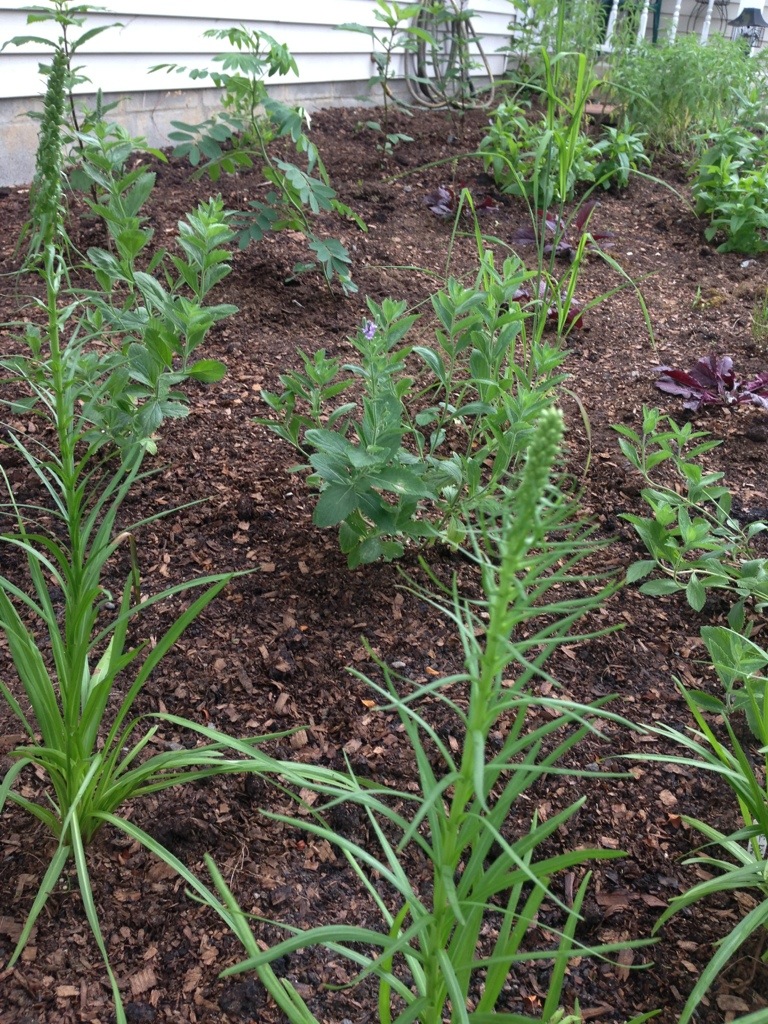
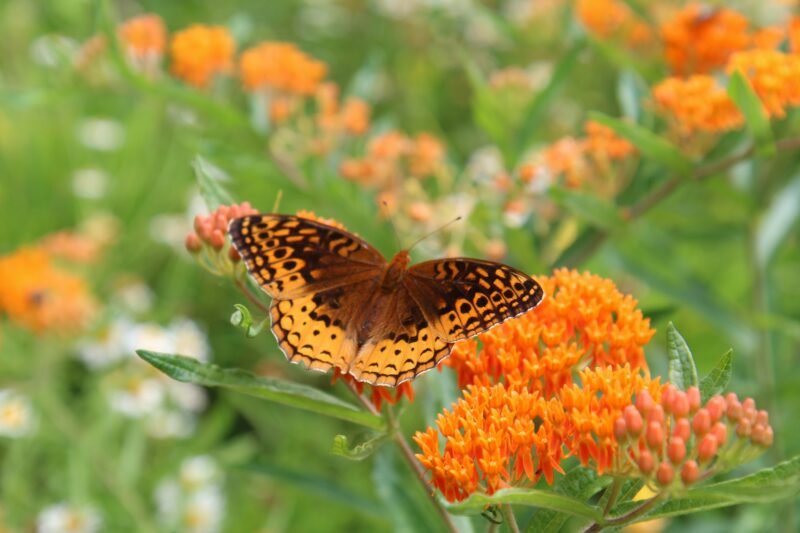
Asclepias tuberosa Asclepias tuberosa, commonly known as Orange Butterflyweed, stands apart from many other Milkweed species. Unlike its moisture-loving relatives, Butterflyweed thrives in dry, sunny, and sandy conditions. In fact, this rugged native perennial prefers soils that challenge less adaptable plants. Consequently, gardeners who struggle with poor, fast-draining ground often find success with this plant. […]

Asclepias tuberosa (Orange Butterflyweed) Read More »
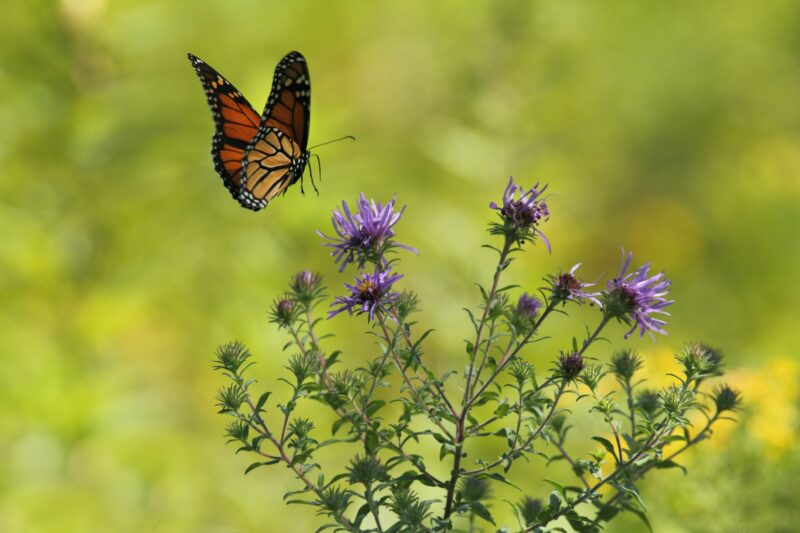
Monarch butterfly plants include nectar plants like New England Aster (Symphyotrichum oblongifolium) too.

Monarch Butterfly Plants Certainly, Monarch butterfly plants are Milkweed (Asclepias) species if referring to the butterfly host plant. The adult, female butterflies can only lay eggs on Milkweed plants. Monarch larvae (caterpillars) require Asclepias species foliage to survive. Over millennia the butterfly species has adapted to tolerate the specific toxic stew of the Milkweed plant’s

Monarch Butterfly Plants Read More »

Building Monarch butterfly habitat at the farm

Monarch butterfly habitat at the farm. A week in recent memory there was a disheartening NY Times article that illuminated this year’s decline in Monarch butterfly species population.  Building Monarch butterfly habitat at the farm seemed like a nice idea. Our local organic farmer friend agreed to collaborate on building some Monarch butterfly habitat at

Monarch butterfly habitat at the farm Read More »

ecological landscape design

Ecological Landscape Design in Ballston Spa, NY. Sometimes a strategy ecologically savvy landscape designers use to decide what to plant where on a property is to observe what plants are already growing. The observation can be used as an ecological indicator. To illustrate, the new butterfly garden in Malta, NY, installed over the past week

Ecological Landscape Design in Ballston Spa, NY Read More »