
A wildlife garden is not simply a planting style. It is a deliberate decision to design a landscape that functions as habitat. Birds, pollinators, amphibians, and beneficial insects depend on spaces that offer food, shelter, water, and seasonal continuity. A well-planned wildlife garden provides exactly that, transforming an ordinary yard into a living ecological system.
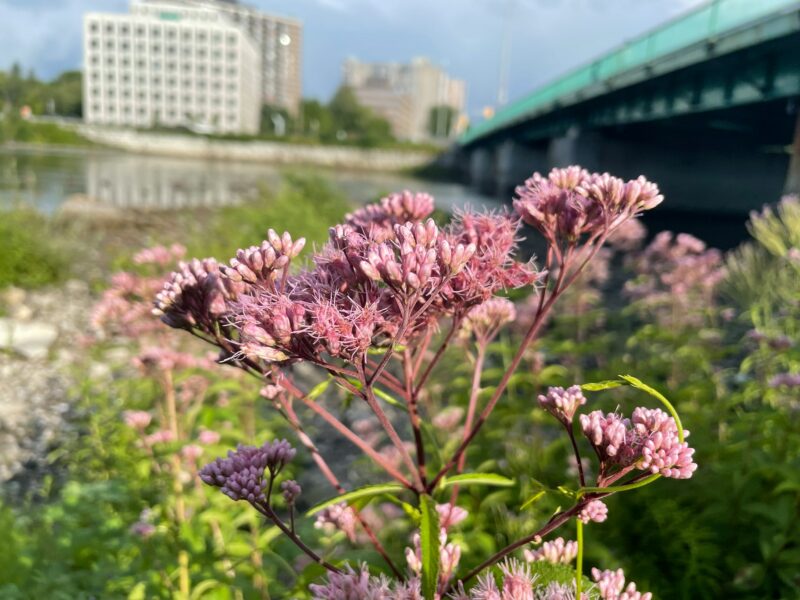
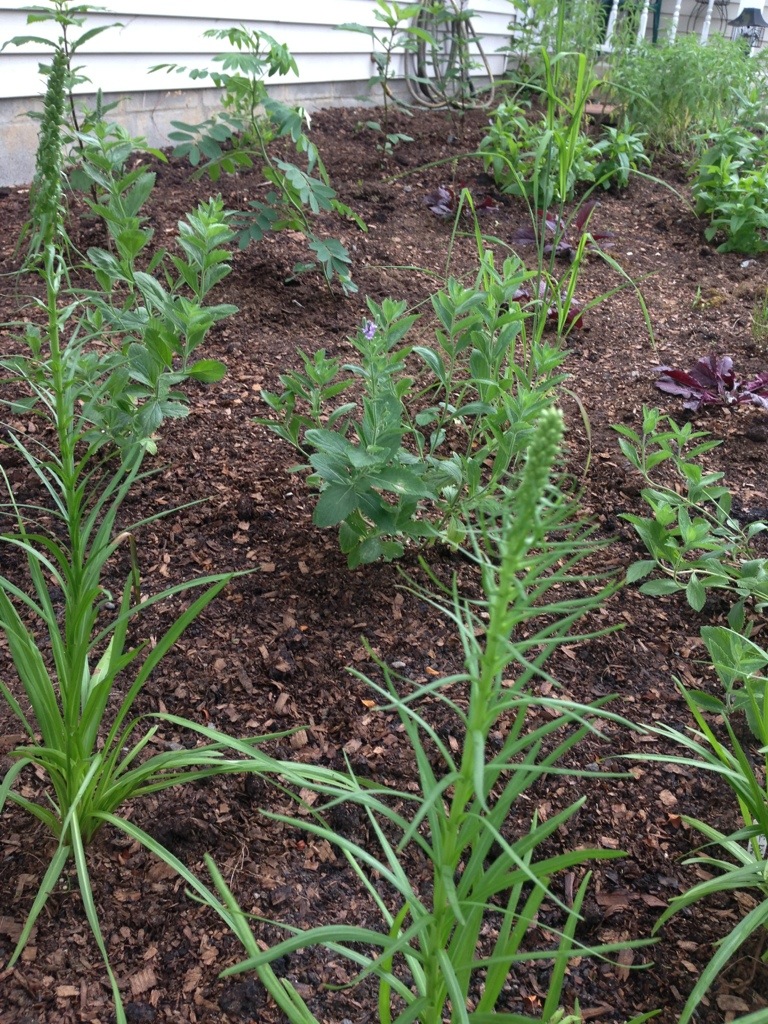
Native plants form the foundation. Because they evolved alongside local wildlife, they support the insects and animals that cannot survive on ornamental exotics. Equally important is the removal of invasive species. Invasives disrupt ecological relationships, outcompete natives, and often degrade soil health. Their removal opens space for regeneration. Once cleared, soil remediation becomes the next priority. Compacted, depleted, or imbalanced soils benefit from organic amendments such as compost, leaf mold, and natural mineral inputs that rebuild structure and biology.
Go Organic in Your Wildlife Garden.
Chemical-free management is essential. Synthetic pesticides, herbicides, and fertilizers may produce short-term visual results, but they undermine the very life a wildlife garden is meant to support. Organic methods protect soil organisms, preserve pollinator populations, and strengthen plant resilience. Over time, this approach creates stability rather than dependence.
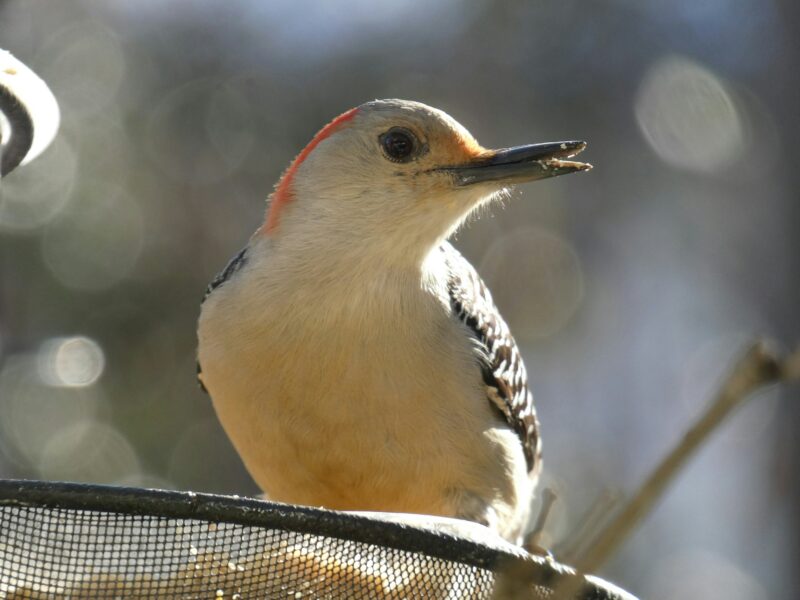
A wildlife garden also carries a lighter carbon footprint. Thoughtful design reduces the need for gas-powered machinery. Hand tools, electric equipment, and low-disturbance maintenance practices minimize emissions, noise, and soil disruption. The garden becomes quieter, healthier, and more aligned with natural processes.
“Right Plant, Right Place.”
Success depends on matching native plants to site conditions. Sun exposure, moisture levels, drainage, and soil type guide plant selection. When species are placed where they naturally thrive, irrigation demands drop dramatically. Deep-rooted natives regulate water efficiently, withstand climate variability, and require fewer interventions.
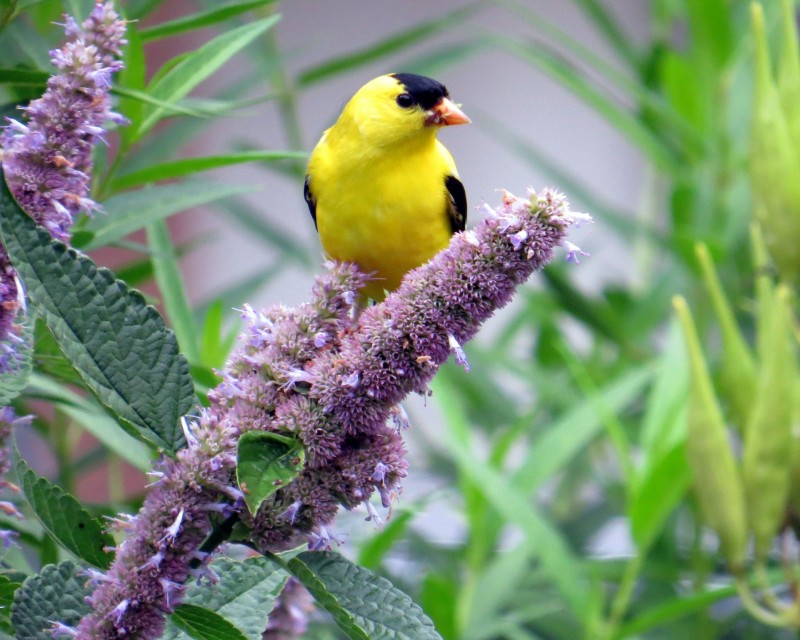
Low maintenance does not mean no maintenance. However, the work shifts. Instead of constant correction, care becomes seasonal and observational — selective weeding, occasional editing, and stewardship rather than control. The result is a dynamic, resilient landscape that grows more beautiful and more alive with each passing year.
Jessecology is ready to create natural gardens for your NYS property! “Start Your Project” today and we’ll connect soon.
Suggested Products


Comments are closed.