
Wetland Gardening Inspiration
Wetland gardening is the practice of designing landscapes that celebrate moisture rather than resist it. Instead of forcing poorly drained soils to behave like dry ground, this approach works with existing hydrology. Native wetland plants, especially Wildflowers, thrive in these conditions and transform soggy areas into vibrant, ecologically functional gardens.
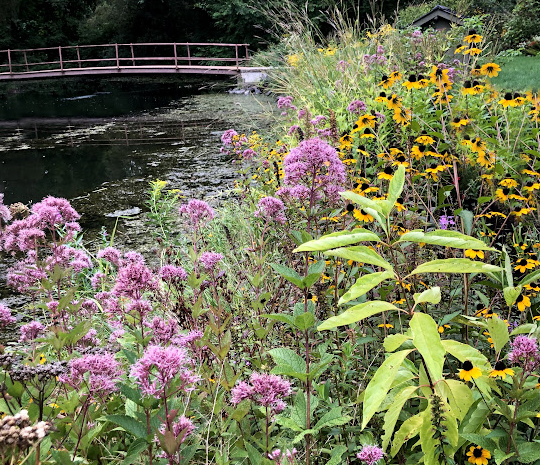
Wetland Gardening + Saturation.
Unlike conventional beds, wetland gardens tolerate periodic saturation, slow drainage, and fluctuating water levels. As a result, they offer solutions for low spots, pond edges, swales, and naturally damp zones. Moreover, they create critical habitat for pollinators, amphibians, and beneficial insects. When thoughtfully composed, these gardens provide four-season beauty, layered textures, and dynamic movement.
Rain Gardens.
All rain gardens are technically wetland gardens, yet not all wetland gardens require engineered rain garden construction. A traditional rain garden typically includes excavated basins, amended soils, and carefully designed infiltration layers. However, wetland gardening can also occur in places where moisture already defines the site. In those situations, designers simply select plants adapted to wet feet instead of rebuilding the soil profile.
Native species for wetlands.
Plant selection plays a central role in success. Moisture-loving native wildflowers such as Blue Flag Iris, Swamp Milkweed, and Joe-Pye Weed deliver color, structure, and resilience. Meanwhile, shrubs like Winterberry Holly introduce form and winter interest. Even certain native trees, including River Birch, perform beautifully in damp soils while contributing shade and vertical presence.
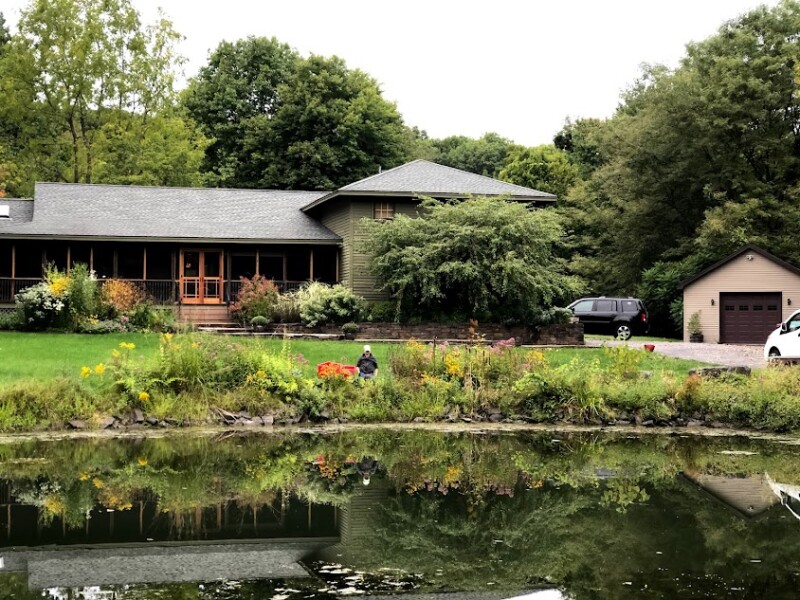
Because water shapes these gardens, observation becomes essential. Seasonal flooding patterns, soil texture, and sun exposure influence layout decisions. Consequently, patience matters. Wetland plants often establish steadily, then expand vigorously once roots anchor deeply. Over time, the garden stabilizes soil, improves infiltration, and moderates runoff.
Ultimately, wetland gardening reframes a common “problem” as an opportunity. Rather than draining, filling, or fighting moisture, gardeners cultivate landscapes that mirror natural ecosystems. The result is a garden that feels grounded, alive, and entirely at home in its environment.
Hire Jessecology for your stormwater mitigation construction projects!
Suggested Products


