Native Plant Garden Care.
Native Plant Garden Care is often described as low maintenance, but that phrase probably deserves a clearer explanation. Low maintenance does not equal zero maintenance. Native gardens are not no-work gardens. They are lower input systems that respond to timing, observation, and restraint rather than constant correction.
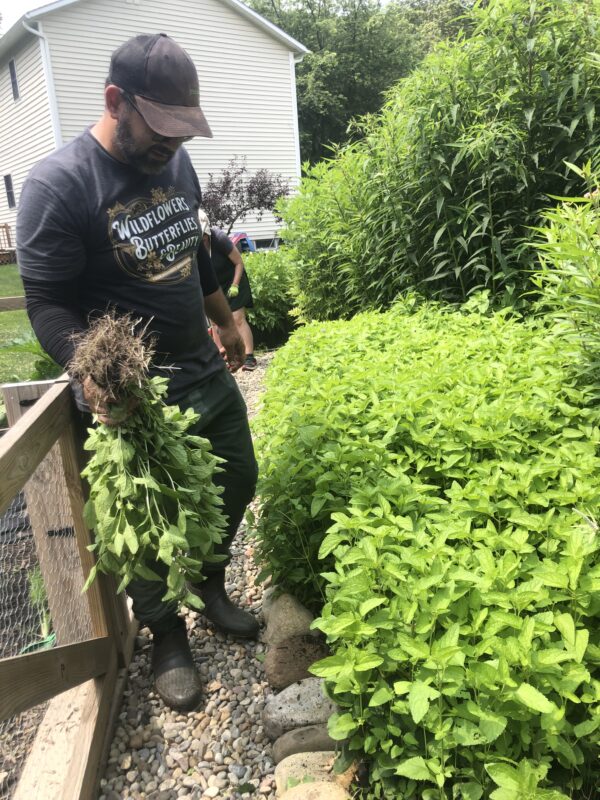
Native Plant Garden Care vs. Traditional Landscaping.
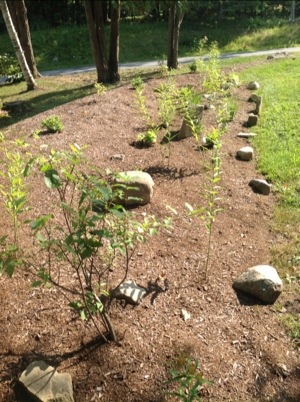
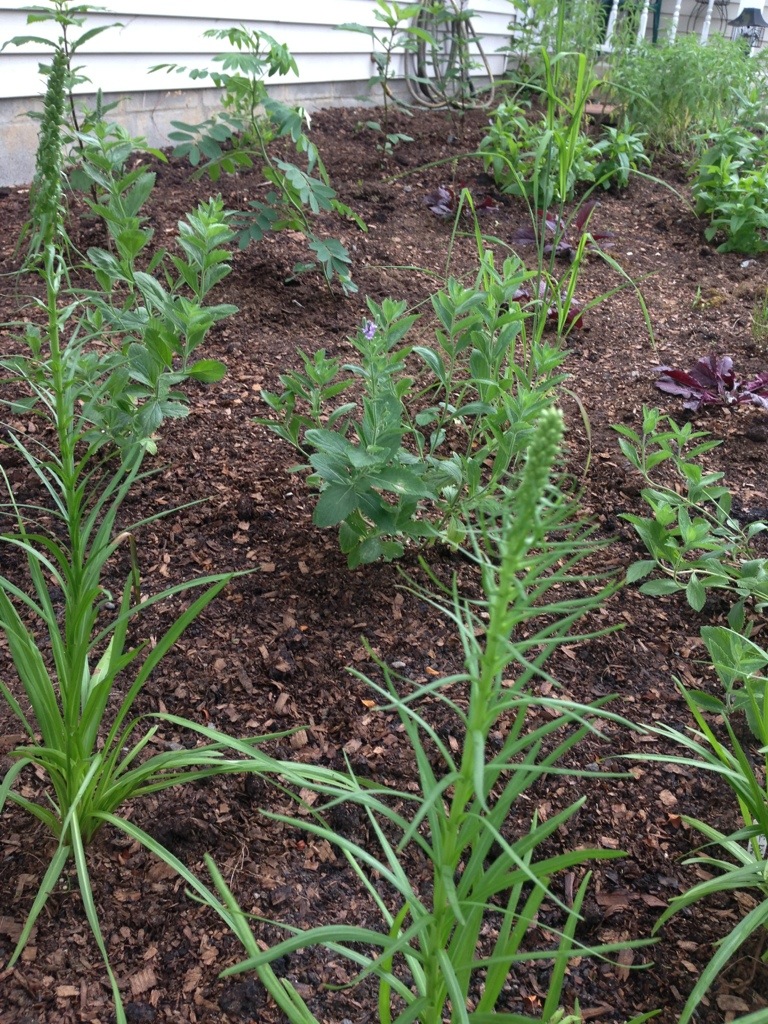
Compared to traditional gardens filled with introduced plants, native gardens require fewer interventions overall. Most of the effort happens early, when plants are establishing roots and soil biology is rebuilding itself.
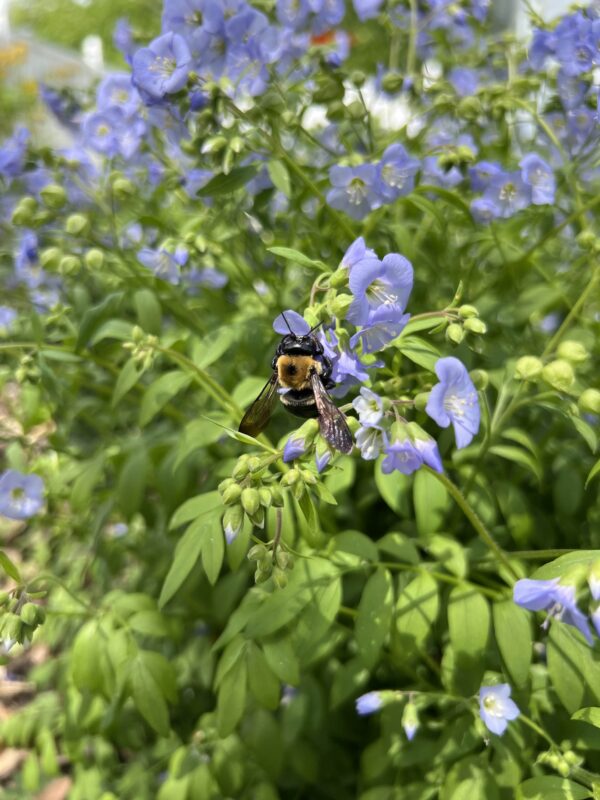
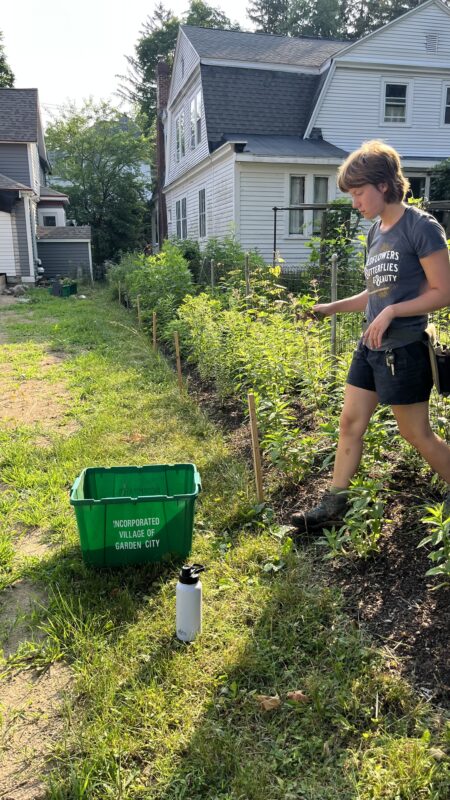
In real life, many native gardens need attention about once per month from April through October or November. These visits are usually short and focused. Tasks often include light weeding, edging, and observing how plants are interacting. During the first three to four years, monthly weeding is common and often necessary. This early phase prevents aggressive weeds from taking advantage of open soil. It also gives slower native plants the time they need to anchor deeply.
Heal Mineral Deficiencies to Reduce Weeding.
Some gardens experience such successful soil remediation that maintenance drops dramatically. In these cases, homeowners may only weed once or twice per year. The garden thrives because the soil has become biologically active and well covered. As gardens mature, Native Plant Garden Care shifts from weeding to guidance. Edging remains important where gardens meet lawns or paths. Over-eager plants may need dividing to maintain balance and visual clarity.
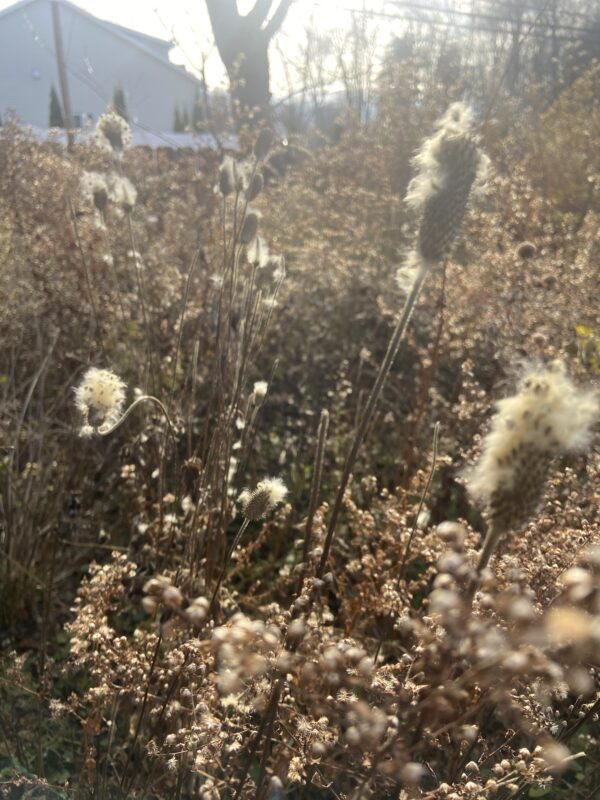
Seed Vault Management.
Seed management becomes another meaningful task. Many short-lived native perennials produce abundant seed. Selective harvesting or culling helps prevent assertive species from dominating while preserving diversity. Over time, this approach creates a resilient, self-regulating landscape. Low input gardening is not about doing nothing. It is about doing the right small things at the right time and then stepping back.
Hire Jessecology for Natural Landscaping Construction:
Start Your Project now!
Suggested Products