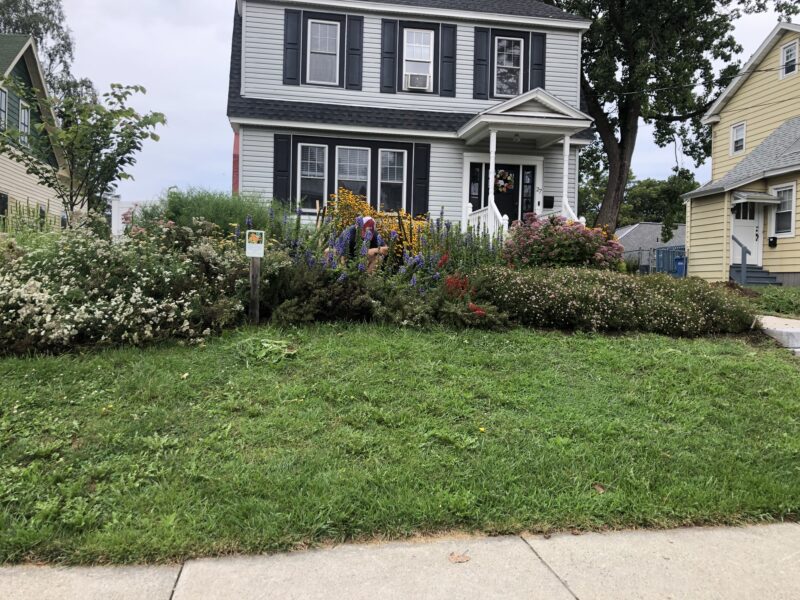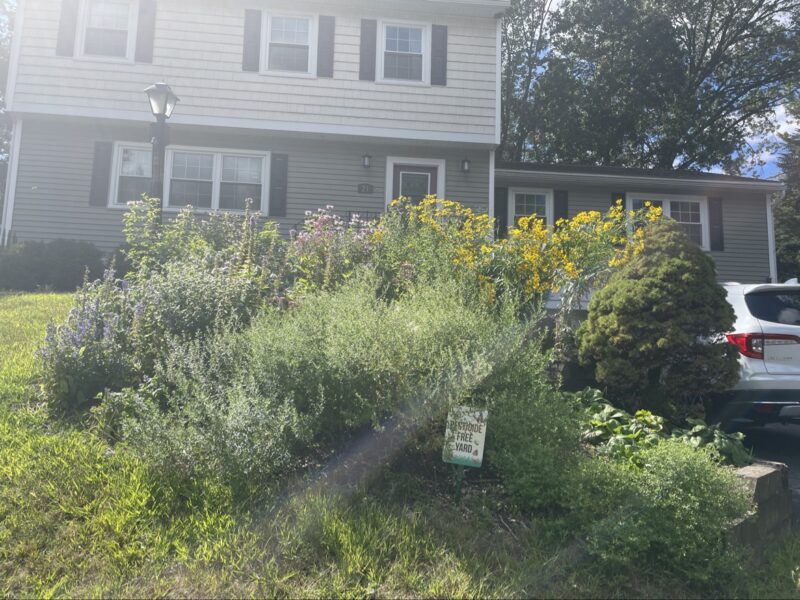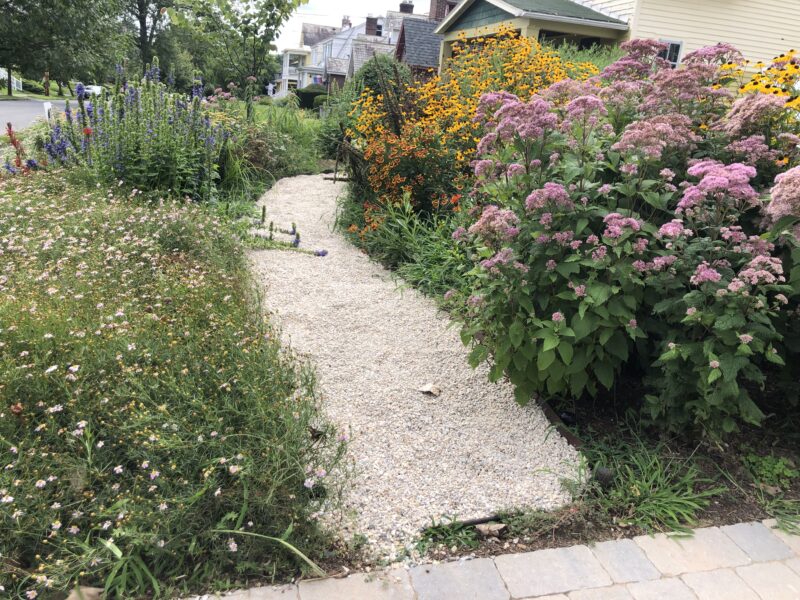
Before + After Photos
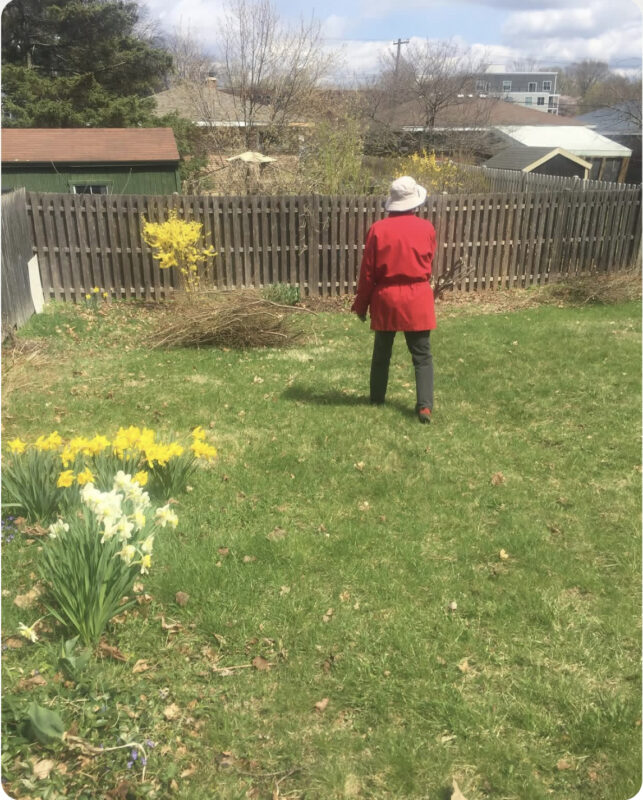
Before and after photos reveal how a garden grows into itself. They hint at transformation, momentum, and possibility. In native landscaping, though, those images work best when they’re read as part of a longer story. The first year after installation can be especially pleasant to watch, particularly in gardens with clay soil.

Before + After Photos: Starting Out.
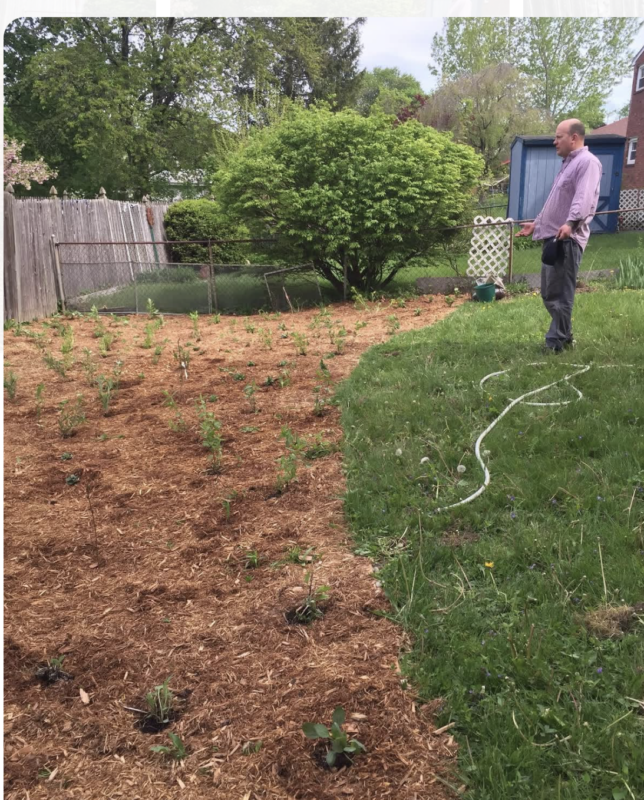
“Before” photos often record a moment of change. Bare soil, flags marking plant locations, newly installed plugs, freshly shaped beds. At a glance, the space can look quiet, open, or even unfinished. That’s because it is in preparation mode.
During Production.
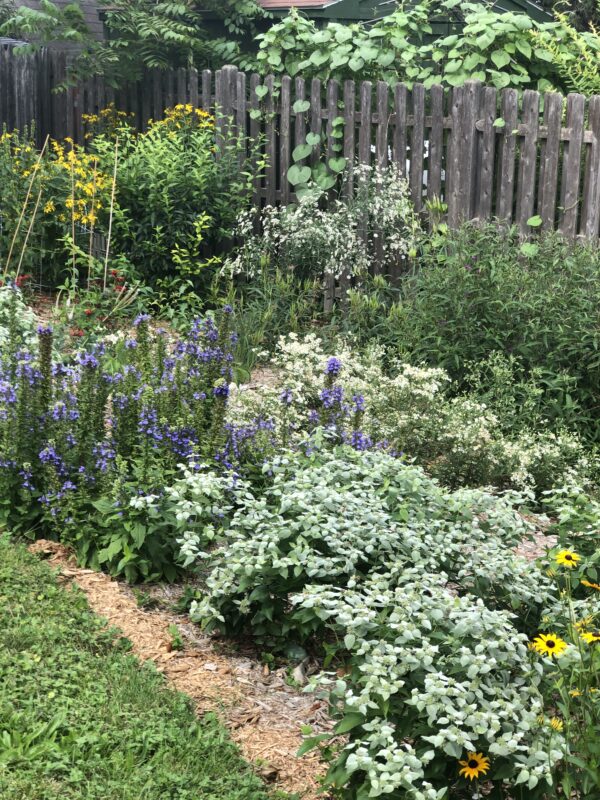
During planting, gardens often look smaller than expected. This is intentional. Native landscapes are designed around mature size, airflow, and long-term function. Rather than packing plants tightly for instant fullness, we leave room for roots to expand and for plant communities to sort themselves out. What’s happening below ground is far more active than what you see above it.
We All Wait for the Spectacle that Comes After.
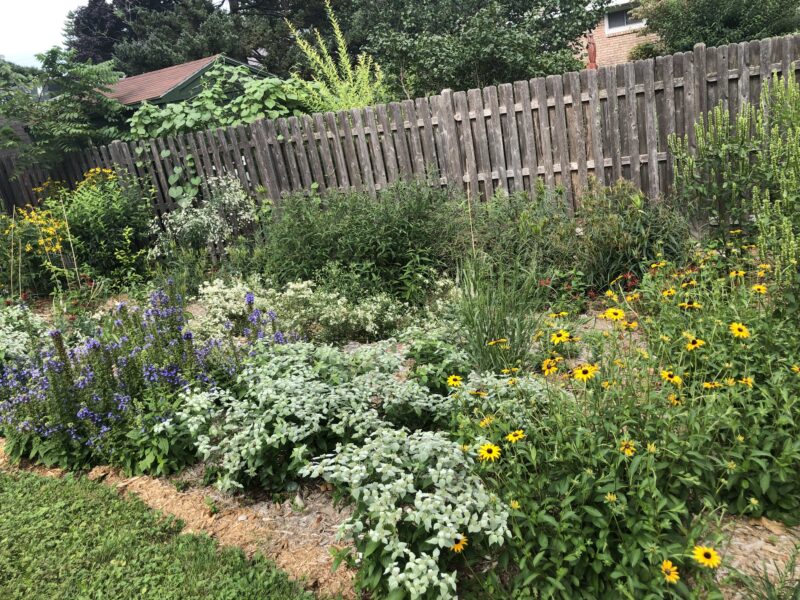
After one growing season, subtle shifts begin to show. Plants return. Leaves increase. Flowers repeat. The garden is still observing, responding to rainfall, light, and soil conditions, and negotiating space with its neighbors. At this stage, before and after photos may look modest. That modesty is accurate. It reflects a system still learning its site.
Year 2 & Beyond.
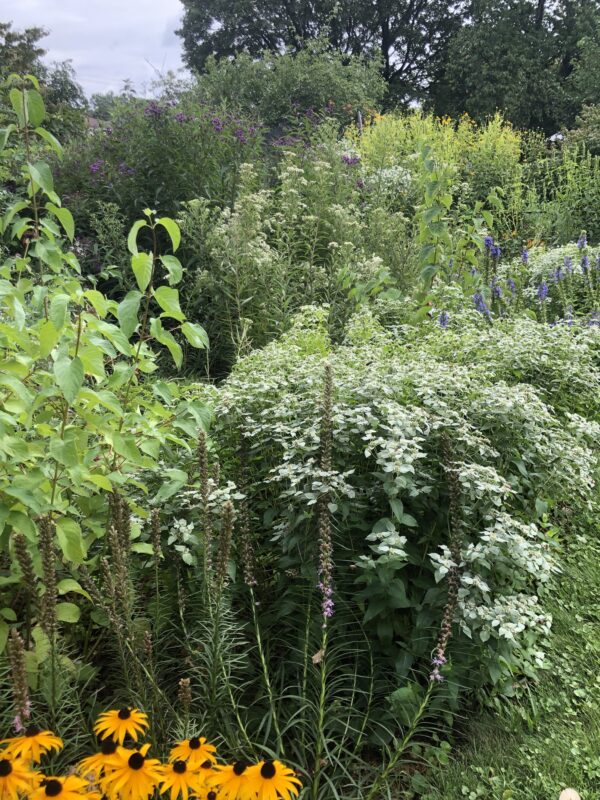
By year two, comparisons start to tell a clearer story. Structure emerges. Stems thicken. Bloom density increases. Plants grow, expand, and close the gaps on their own. Insects arrive more reliably. The garden begins to behave like a system rather than a collection of individual plants.
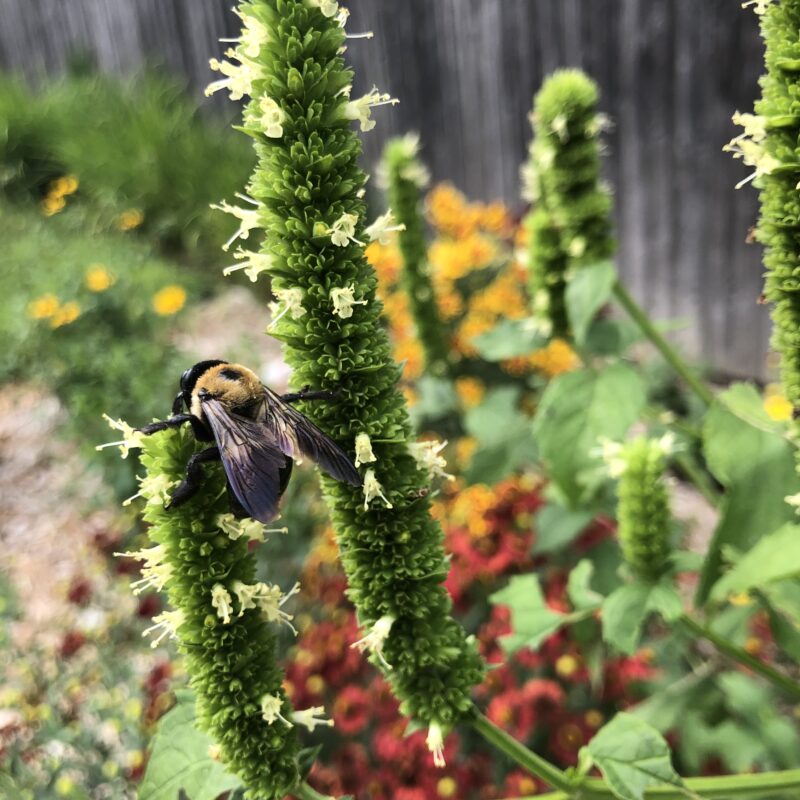
By year three, the “after” photo finally carries real weight. This is where native landscaping comes into its own. The garden looks confident and full, without feeling rigid. It holds up through storms, handles dry spells with less stress, and supports visible layers of life. Maintenance needs drop as stability increases. The landscape no longer depends on constant correction. It functions.
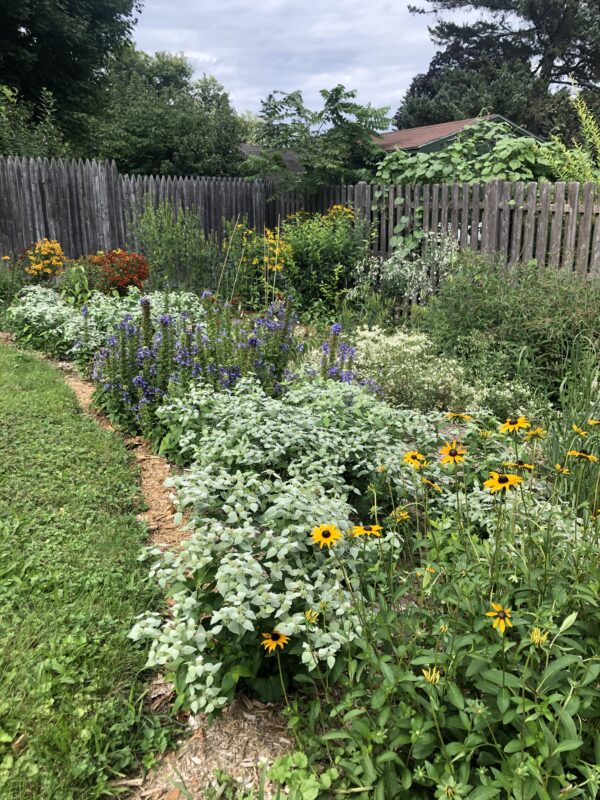
When you see before and after photos from our projects, it helps to read them as a timeline rather than a reveal. The “after” is not immediate. People earn the beauty through time, observation, and restraint. Each image represents alignment with natural pacing rather than a rush toward fullness.
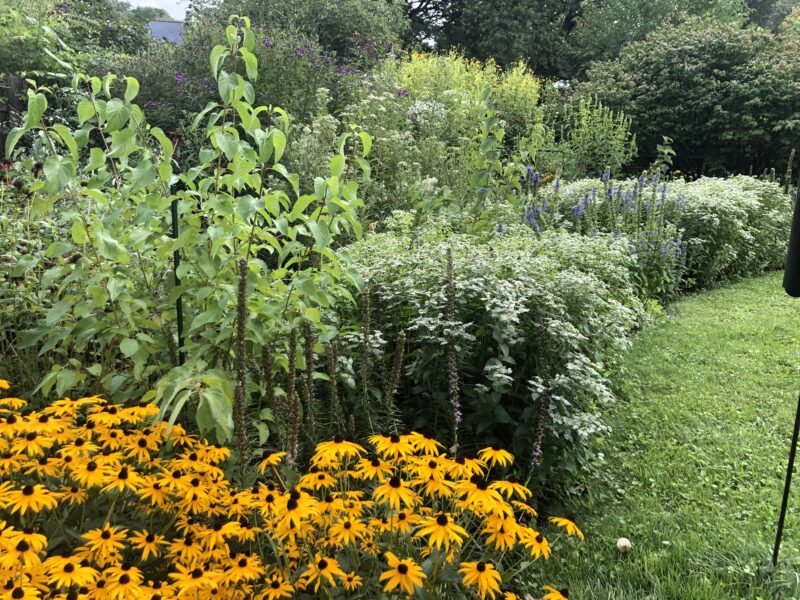
Before + after photos express reality in the allotted time everything actually unfolded. Native plant landscaping isn’t really about instant results. Basically, people considering a big leap of faith do well to study some timelapse photo arrays. Invest patiently, and native landscapes repay that investment with resilience, depth, and beauty that improve over time.
Start Your Project with Jessecology soon.
Suggested Products