
Native Garden Spring Cleanup: The Right Way to Clean Up a Pollinator Garden.
Native wildflowers and grasses don’t wake up alone in spring. The insects, amphibians, spiders and reptiles wake up with them.
Native Garden Spring Cleanup: Be Patient to Start.
Many of the pollinators, beetles, moths, butterflies, and native bees that visited your garden last season spent the winter tucked inside hollow stems, curled into leaf litter, or sheltering in dried grasses. A wildflower garden that looks quiet (or even dead) in April is often humming with sleeping life just below the surface. That’s why timing matters so much when it comes to native garden spring cleanup. 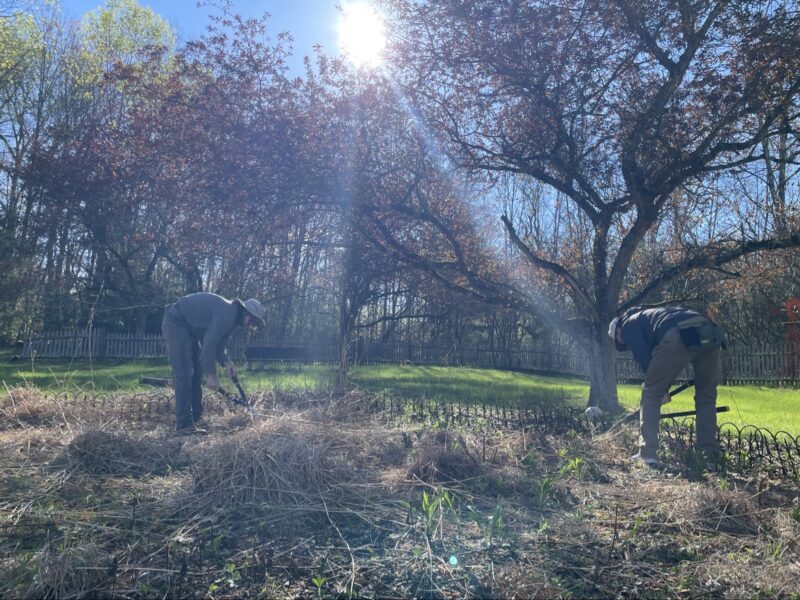 Cutting everything down too early doesn’t just neaten the garden. It destroys overwintering habitat before the insects inside have had a chance to emerge. At Jessecology, we wait for consistent 50-degree weather before we begin spring cleanup. Once daytime temperatures are regularly hitting around 50°F, beneficial insects begin waking up and moving through the landscape. Basically, that’s your signal, not the calendar.
Native Grass Habitat.
Native grasses offer some of the most important winter shelter in the whole garden. The standing stems of Switchgrass, Little Bluestem, and Indian Grass buffer insects from freezing temperatures and harsh winds. Wildflower stems like Coneflower, Bee Balm, Mountain Mint, Goldenrod, Joe Pye Weed often contain native bee larvae tucked safely inside, waiting.
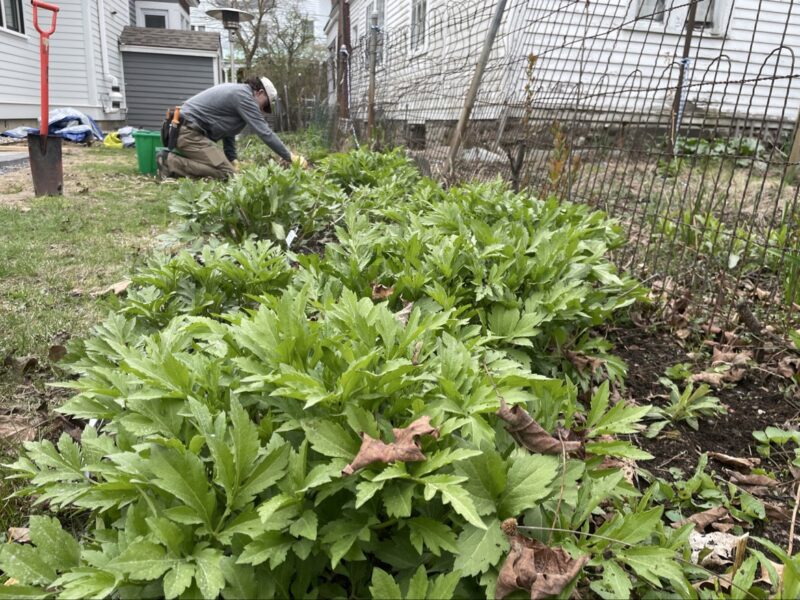
Leaf litter is the same story.
What reads as messy to most people is functioning as a protective blanket for the entire ecosystem underneath. Fireflies, butterflies, moths, spiders, salamanders, and hundreds of beneficial organisms depend on that layer to survive winter. Raking it all away too early doesn’t give you a clean slate. Instead, it abruptly reduces the biodiversity of your garden before the growing season even has a chance to begin.
Patience is part of the practice.
An ecological garden follows the rhythms of the land instead of imposing our own timeline on it. A thoughtful native garden spring cleanup is one that waits for genuine spring warmth, not just a warm weekend. As a result, this creates stronger habitat, healthier pollinator populations, and more resilient ecosystems, right in your own backyard.
When you do begin, keep your methods gentle. Leave some stems standing. Move leaves into the beds rather than hauling them to the curb. Let native grasses stay upright as long as you can stand it. Every small choice feeds the living network that’s waking up beneath the surface. Spring cleanup should cooperate with nature, not race ahead of it.
Suggested Products


