
Regenerative Landscaping
Regenerative Landscaping
Humans have a regenerative gear. We just need to use it.
Most modern interactions with the land are quietly degrading. People mow, spray, strip, compact, bulldoze, and remove organic matter. Good intentions don’t annul the harm and fragmentation that results. Over time, the soil becomes depleted, water runs off instead of soaking in, and landscapes require increasing inputs just to maintain a static appearance.
Regenerative Landscaping + Natural Roots.
Humans, however, are not inherently destructive. We also possess a regenerative gear. When folks begin to study ecosystem-centered land management, their perspective can shift. Landscapes stop appearing as decorative backdrops and start revealing themselves as living systems capable of repair, renewal, and resilience. With thoughtful decisions, our gardens and properties can move from patterns of extraction to processes of restoration.
Composting.
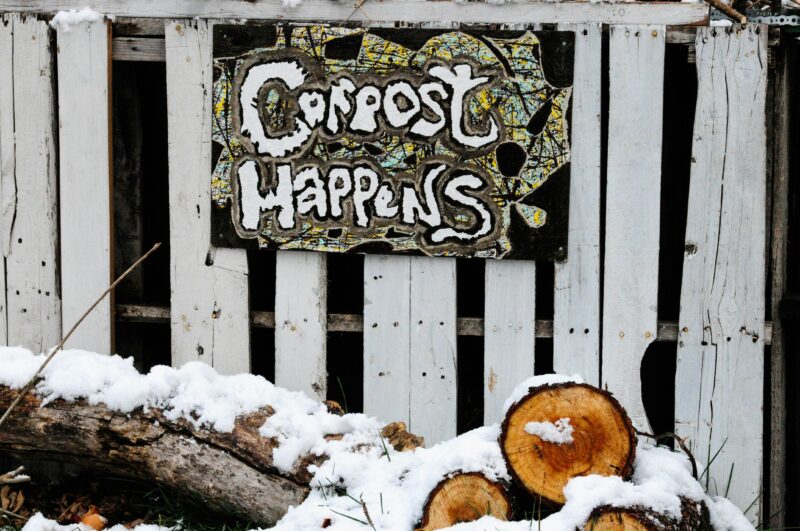
Composting offers one of the clearest examples of regenerative practice. Organic material was never a waste product. Leaves, food scraps, branches and aerial plant parts need to be returned to the soil where they become nourishment. Compost feeds microbial life, improves soil structure, increases moisture retention, and gradually rebuilds fertility. Rather than simply disposing of excess, composting allows us to participate directly in the biological cycles that sustain healthy landscapes.
Demand Organic.
Refusing chemical dependency marks another essential turning point. Synthetic fertilizers, herbicides, and pesticides often deliver short-term visual control while weakening long-term ecological stability. These inputs can disrupt soil biology, reduce biodiversity, and create imbalances that require continued intervention. Choosing to garden without chemicals allows natural relationships among soil organisms, plants, and beneficial insects to reestablish equilibrium.

Working with natural conditions instead of resisting them fundamentally changes how landscapes function. Wet areas can become rain gardens that capture and filter stormwater. Sloped ground can be stabilized with deep-rooted plantings that prevent erosion. Drainage challenges can be transformed into bioswales that slow, spread, and sink water back into the earth. What initially appears to be a flaw in the land often becomes the starting point for regeneration.
Earthwork and Land Shaping.
Rain gardens, bioretention ponds and bioswales do more than manage water. They reduce runoff, prevent soil loss, recharge groundwater, and create habitat for birds and pollinators. These features convert what was a destructive force into a restorative one. This aligns landscape design inputs with natural hydrological processes rather than fighting against them.
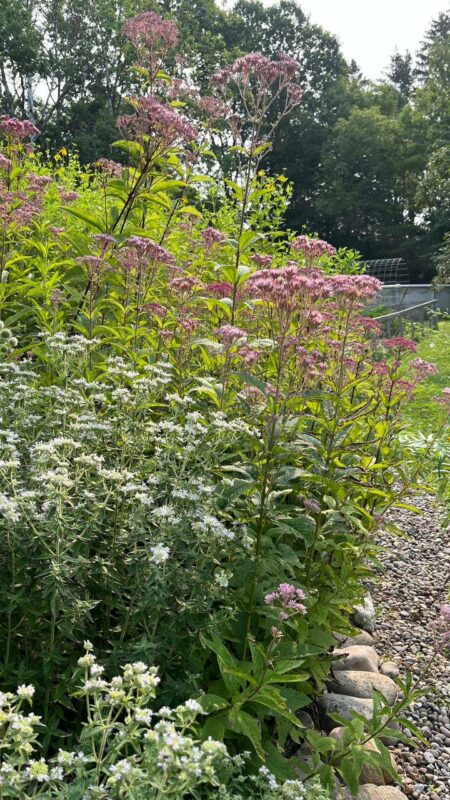
Native plants, trees, and shrubs anchor the entire regenerative framework. Adapted to local soils, climate, and wildlife, native species develop deeper root systems, support biodiversity, stabilize ground, and reduce the need for irrigation and fertilization. By reintroducing native plant communities, we reconnect fragmented residential landscapes to the broader ecological systems that surround them.
The land is remarkably resilient. Given the right conditions, it moves steadily toward recovery. Humans, when guided by ecological understanding, are fully capable of assisting that process and participating in the renewal of the environments we inhabit.
Start Your Project with Jessecology now and we’ll be in touch soon.
Suggested Products


