
Phytoremediation: Letting Plants Finish the Work.
Phytoremediation is generally the quiet middle ground between doing nothing and doing violence to the land. It is the practice of allowing native plants to stabilize, buffer, extract, and transform damaged soils over time, not by force, but by function. This isn’t a trendy concept. Instead, it’s what native plant communities have always done when given the chance.
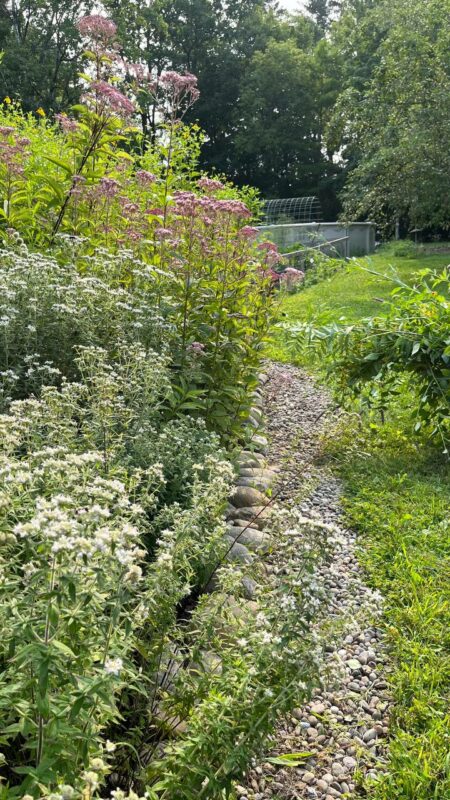
Phytoremediation + Soil Quality.
When soils are compacted, chemically skewed, polluted, or biologically collapsed, plants respond. Some bind excess nutrients. Others tolerate heavy metals. Some break compaction with deep roots. Others rush in quickly to shade bare ground and slow erosion. We often label these plants as invasive or problematic, but in reality, they are performing emergency repair on landscapes that have lost internal regulation.
Plants are communicating soil problems and trying to heal the same.
Phytoremediation begins by recognizing that these plants are not the problem. They are the signal. Their presence tells you what the soil is missing and what it is trying to correct. Fast-growing species often indicate nutrient volatility. Deep-rooted pioneers point to compaction and oxygen loss. Aggressive colonizers show up where structure has failed and biology cannot yet hold ground.
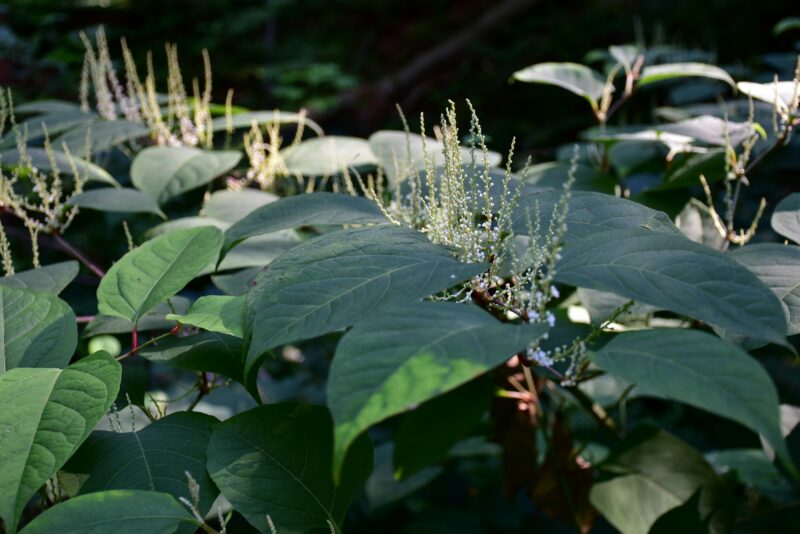
When you know better you can do better.
The mistake is stopping the process halfway. When people remove plants that are actively stabilizing soil without addressing the underlying conditions, they create a new disturbance. If pioneer or assertive native plants do not take their place, the system resets. Each reset intensifies the cycle of instability rather than resolving it. New invasives arrive. Growth becomes near cartoonish. The soil remains chemically reactive and biologically thin.
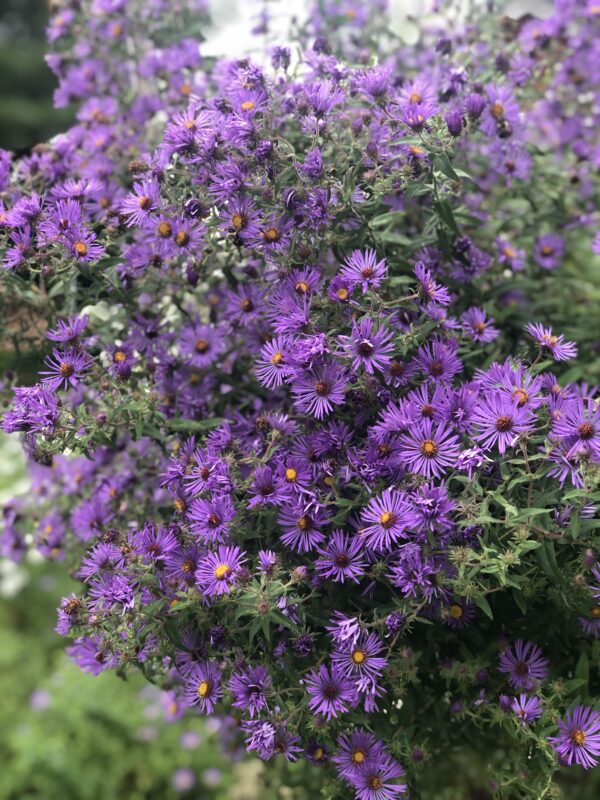
Phytoremediation’s soil repair is the most natural process. See it with new eyes to appreciate how hard the plants work to restore the earth.
Effective phytoremediation works in partnership with soil repair. Organic matter is rebuilt at the surface to slow nutrient movement and buffer chemistry. Reintroducing Calcium stabilizes soils that can no longer hold themselves together. Disturbance is minimized so fungal networks can reconnect. As soil quiets, plant behavior changes. Pressure eases naturally.
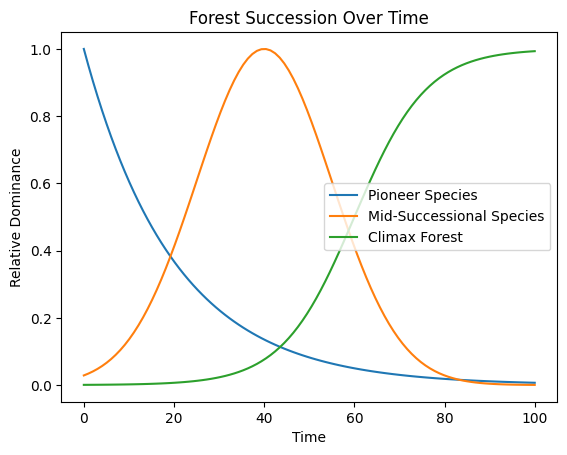
Forest Succession applies to land everywhere.
This is where understanding forest succession matters. People needn’t celebrate early-stage plants forever, but they do need to be understand the function of such. Their role is temporary. As humus accumulates, pore space opens, and nutrient cycling stabilizes, different plants can gain advantage. Deeper-rooted natives, shrubs, grasses, and trees begin to hold space. Diversity will increase after a while. Competition returns and finally the system matures.
Phytoremediation isn’t passive. People engaging in this environmental conservation practice need good observation skills. Additionally, patience, restraint, and the willingness to work belowground first are crucial. Sometimes that means allowing plants you do not love to stay a little longer while you change the soil beneath them. Sometimes it means removing biomass strategically to export excess nutrients while protecting structure.
Finally, phytoremediation is not about just choosing the right plant. It is basically about restoring the conditions in the land that allow plants to choose correctly on their own. Afterwards, supporting the adjusted land with the addition of large volumes of native species seeds and young plants, trees and shrubs go much further than they would have. When soils regain balance and biological control, the landscape renews in spectacular ways.
Yes: Jessecology is here, ready to spearhead an environmental conservation action plan on your property! “Start Your Project” today and we’ll be in touch shortly.
Suggested Products


