
Keystone Species
In ecology, a keystone species is one that holds an ecosystem together in ways that far exceed its abundance. Although many species contribute to beauty and function, keystone species quietly shape structure, stability, and resilience. When they thrive, ecosystems self-regulate. When they disappear, imbalance follows.
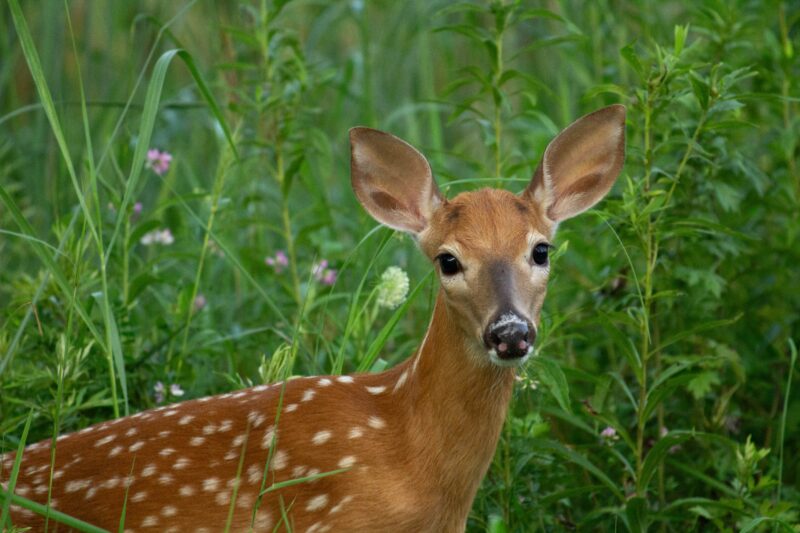
Keystone species often work through relationships rather than dominance. In plant communities, certain native trees, shrubs, and perennials support entire food webs. Because of this, their presence determines which insects survive, which birds can nest, and how soil organisms cycle nutrients. As a result, these plants influence far more life than what is immediately visible above ground.
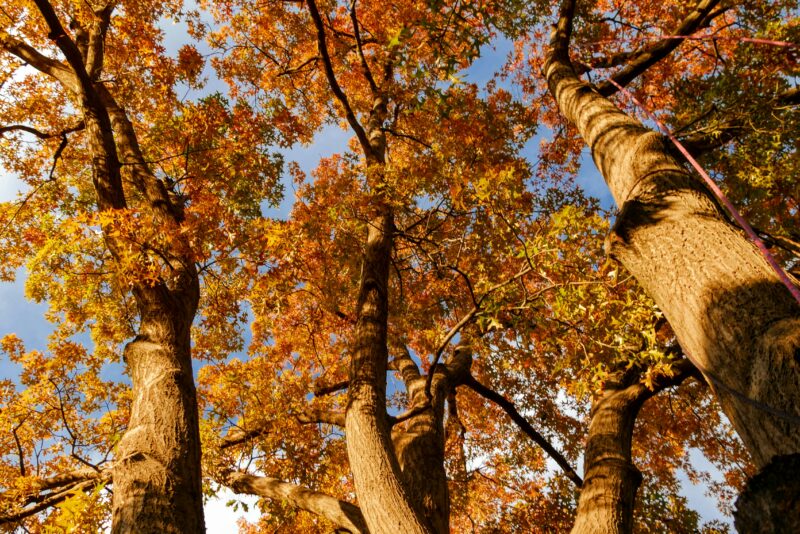
Oak Trees are obviously Keystone Species.
For example, native oaks support hundreds of species of Lepidoptera. Those caterpillars, in turn, feed birds during the most energy demanding stages of reproduction. Without those insects, bird populations decline even if mature trees remain. Similarly, native willows provide early season pollen and nectar when few other plants are active. That early support allows pollinators to establish strong populations before the growing season accelerates.
In contrast, landscapes dominated by non-native ornamentals may appear lush but function poorly. While such plants can survive on their own, they often fail to support insects, birds, and soil life. Consequently, the system requires constant human intervention to remain intact.
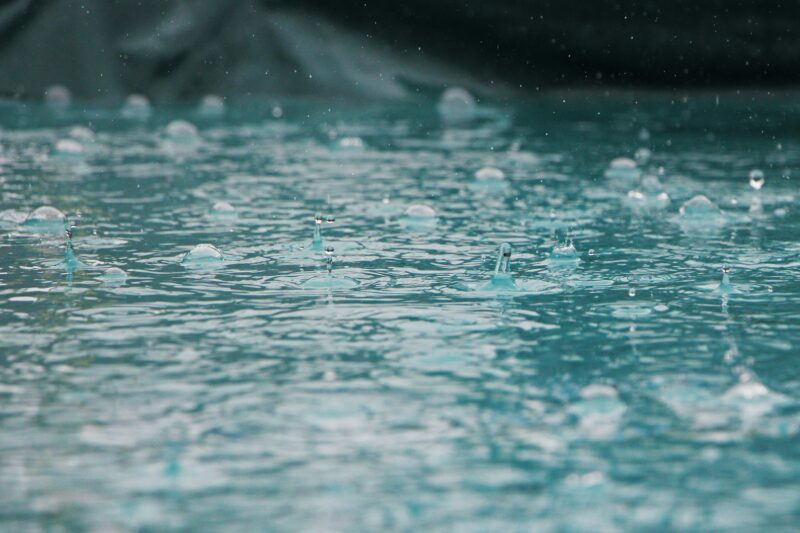
Keystone species also stabilize ecosystems through time. Deep rooted native grasses and perennials anchor soil, manage water, and buffer extreme weather. During drought or heavy rain, these plants moderate conditions for countless other organisms. Therefore, their value extends beyond wildlife support into climate resilience.
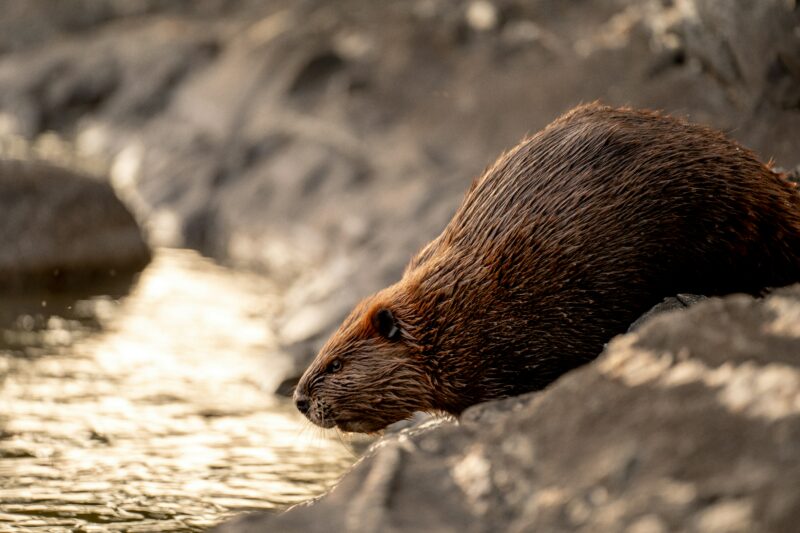
Important Native Flora + Fauna.
Some other examples of local, native floral keystones species include Goldenrod, Native Willows, Little Bluestem Grass and the Milkweeds. Accordingly, some faunal keystones include Beaver, Deer, Wolves, Native Bees and members of the Woodpecker (Picidae) family. Native Willow are critical early season pollen and nectar sources for local pollinators. Basically, Goldenrod (Solidago) fills the same ecological niche at a different moment in the calendar: later in summer and fall.
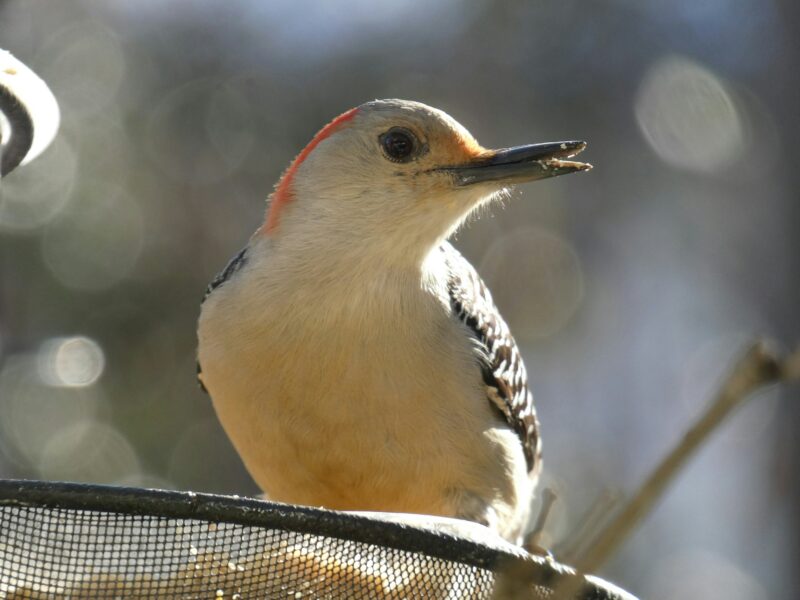
Understanding keystone species shifts how we approach land stewardship. Rather than asking which plants look best, a better question emerges. Which plants do the most work? By prioritizing keystone species, landscapes become more than decorative. They become living systems capable of sustaining themselves and the life that depends on them.
Certainly, Jessecology would love to build natural landscaping systems for your NYS property!
“Start Your Project” today and we’ll meet you soon.
Suggested Products


