Patience Makes Gardens

In a culture that expects instant results, gardens quietly teach a rather different lesson. Healthy landscapes are not rushed. They are grown according to natural timing. When working with native plants, patience is not a nice idea. Patience makes gardens.
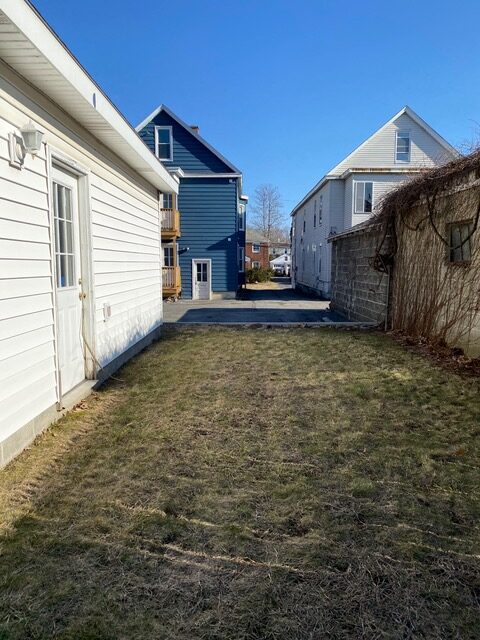
Patience Makes Gardens: An Urban Pollinator Oasis Edition.
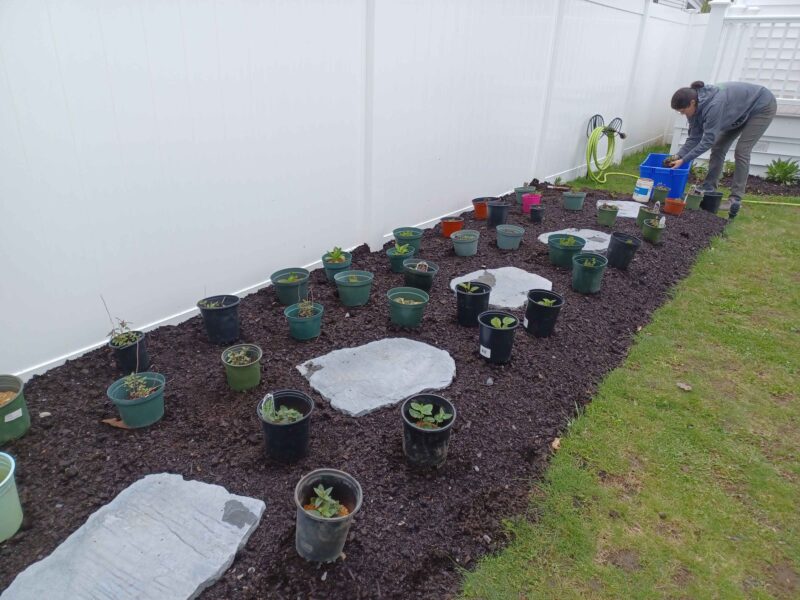
Basically, the first year after planting often tests expectations. Native plants focus on root development, soil adaptation, and survival rather than showy growth. Above ground, things may look sparse, uneven, or slow. This is not a problem. It is biology. Deep roots must come before visible abundance. Without patience, gardeners may assume something is wrong when in fact everything is going right. Patience makes gardens by allowing this essential underground work to happen.
In the second year, the landscape begins to respond. Plants gain strength, fill out, and bloom more reliably. Some species surge ahead while others remain reserved. This uneven timing is a feature, not a flaw. Native plant communities are dynamic systems shaped by weather, soil, and seasonal rhythms. Trying to force uniformity too early often leads to unnecessary interventions. Patience makes gardens resilient by letting plants grow at their own pace.
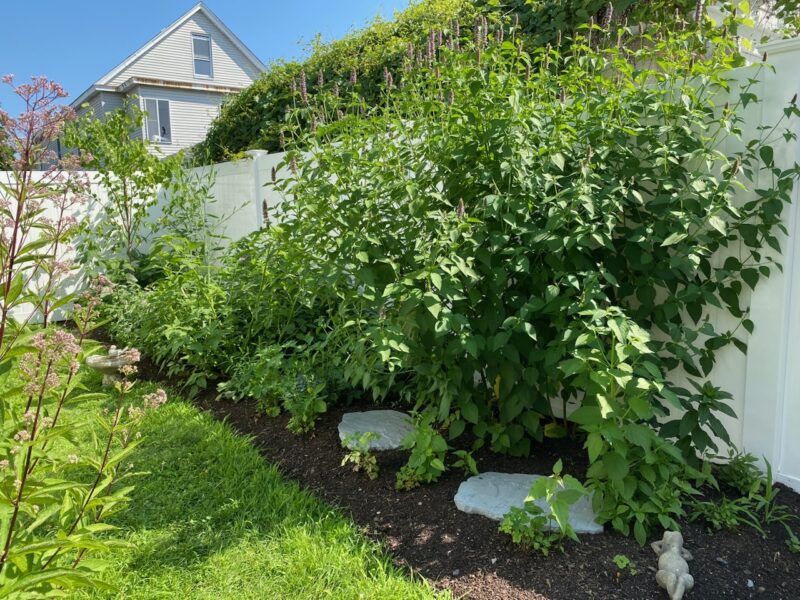
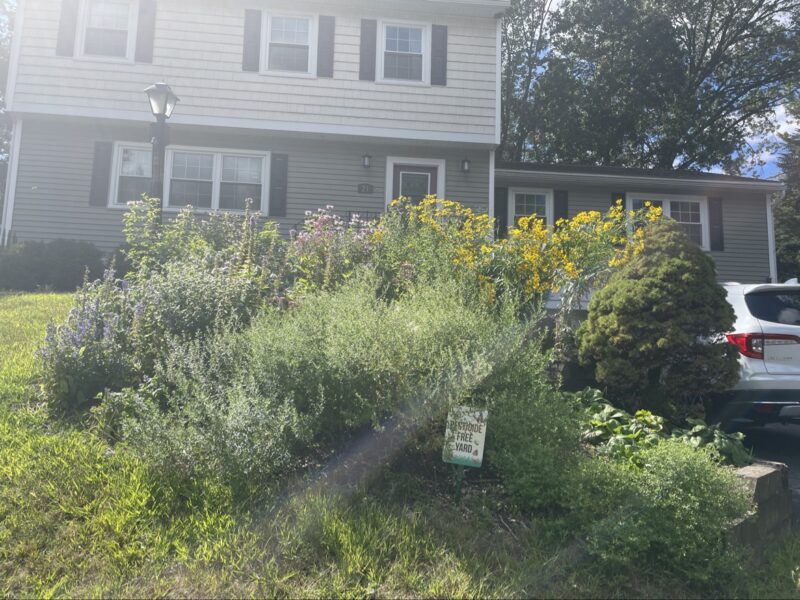
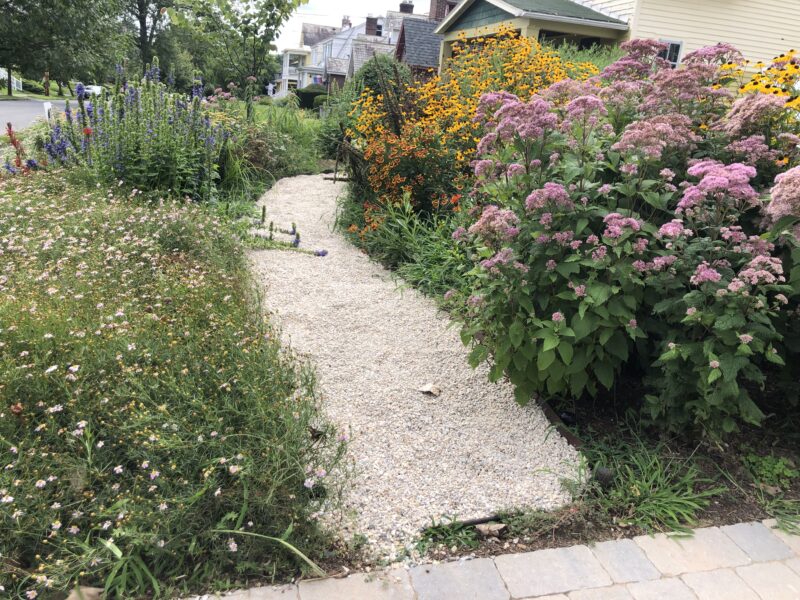
By the third year and beyond, the reward becomes visible. Plants reach their natural proportions, shade the soil, suppress weeds, and support pollinators, birds, and beneficial insects. Maintenance needs often decrease as the garden stabilizes. What once seemed slow now feels intentional and full. This long view is certainly where the concept of “patience makes gardens” truly comes into focus.
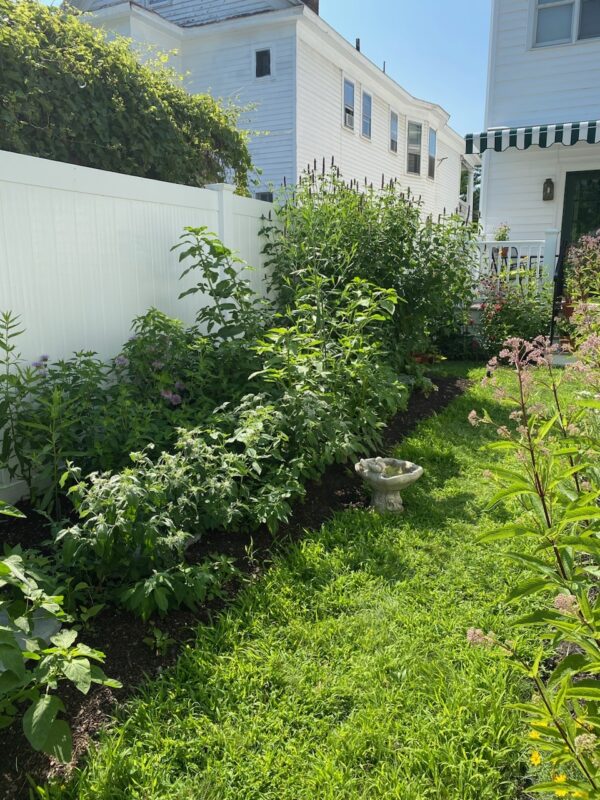
Native gardens are investments in time. They ask for trust, observation, and restraint. When gardeners allow plants to establish properly, the landscape gives back beauty that deepens rather than fades. If you are willing to wait, learn, and let nature lead, patience does more than improve landscaping.
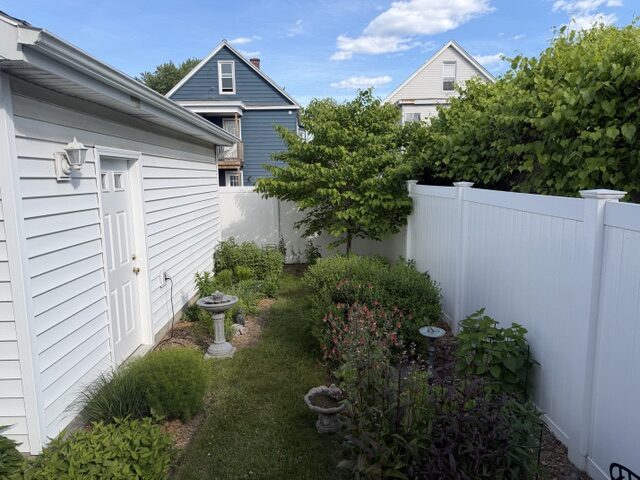
Patience makes gardens that last.
Start Your Project with Jessecology soon!
Suggested Products