
Ecological Stormwater Solutions
Rain Gardens, Native Plants, and Bioretention Ponds.
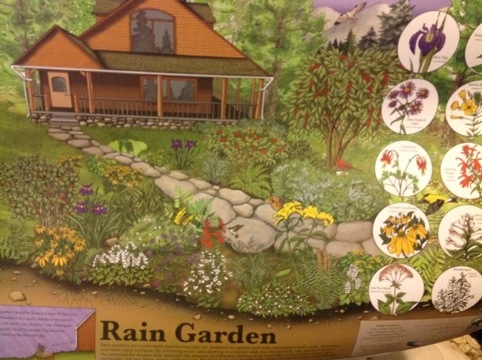
Ecological stormwater solutions work by slowing water down, spreading it out, and letting living systems do the work.
Rain Gardens with Native Plants.
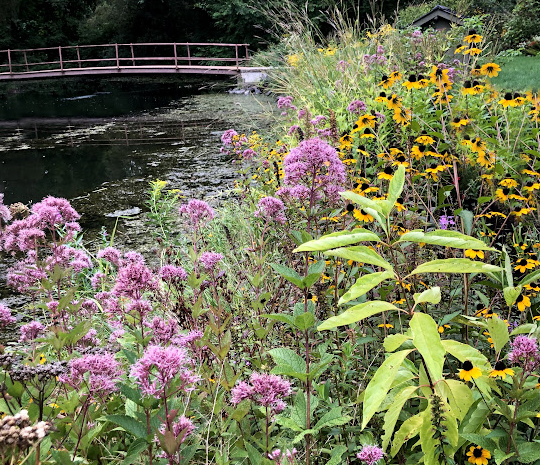
Rain gardens are shallow, bowl-shaped gardens placed where runoff naturally flows. When planted with deep-rooted Native Plants, they act like living sponges. Species such as Blue Flag Iris, Swamp Milkweed, Joe Pye Weed, and Soft Rush develop extensive root systems that increase infiltration, stabilize soil, and filter pollutants before water reaches groundwater or streams.
Rain Gardens + the Future.
Rain gardens are the future of stormwater management. Imagine a system that harnesses nature to re-engineer a site to capture and sequester toxic runoff before it even starts. And habitat restoration with native plants for butterfly + pollinator gardens are part of the package? Rain gardens are the answer to many of the “wet soil problem area” questions.
Unlike turf grass, native rain garden plants tolerate both flooding and drought. Once established, they require no irrigation and very little maintenance, while providing critical habitat for pollinators and songbirds.
Bioretention Ponds and Basins.
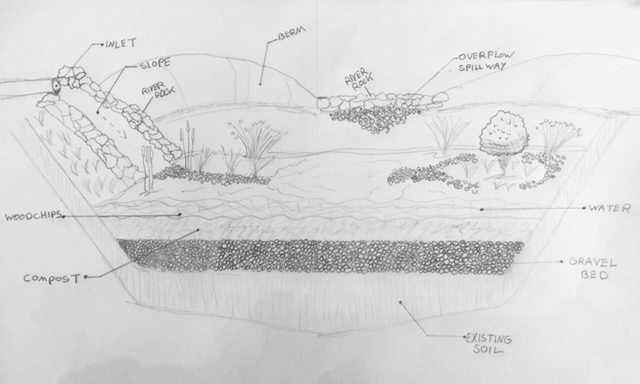
On a larger scale, bioretention ponds and basins manage stormwater from parking lots, roads, corporate campuses, and residential developments. These systems are engineered to temporarily hold stormwater, allowing sediments to settle and plants to uptake nutrients before water is slowly released or absorbed.
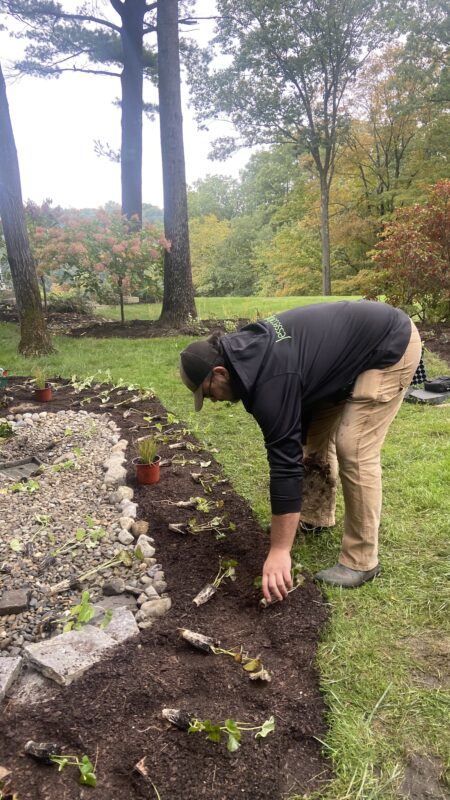
When designed ecologically, bioretention ponds are not sterile detention basins. They are functional wetlands.
Why It Matters.
Ecological stormwater design turns a problem into an asset. Instead of fighting water with pipes and concrete alone, we partner with soil, plants, and gravity. The result is resilient landscapes that protect waterways, reduce infrastructure strain, and create beauty that evolves season by season.
Stormwater is not a waste product to be discarded. When ecological stormwater solutions are designed well, rainwater becomes a resource to be cherished.
Yes, Jessecology would love to configure rain gardens and other Ecological Stormwater Solutions for your NYS property! “Start Your Project” now.
Suggested Products


