
Beautiful Weeds
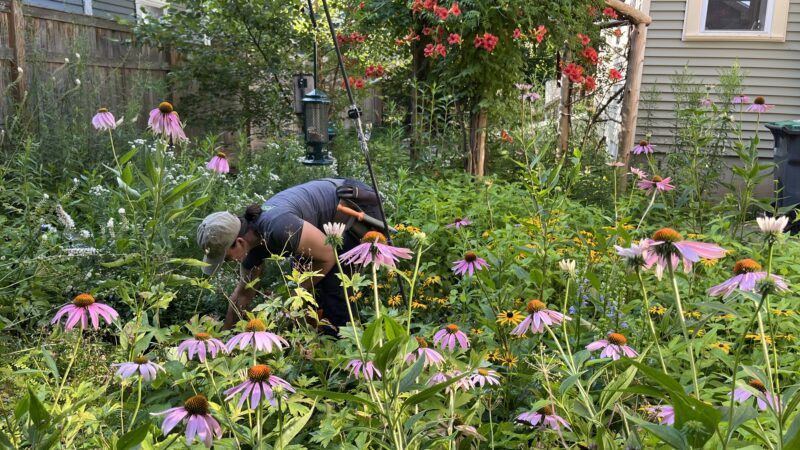
Beautiful Weeds: Why America’s “Weeds” Are Actually Keystone Wildflowers
Colonial Farming Nomenclature.
When colonists began settling farms in the so-called “new world,” they encountered plants unlike anything they had seen before. These wildflowers grew vigorously, often appearing along fencerows, in fallow fields, and even pushing their way into crops. Instead of recognizing their ecological value, early farmers labeled these unfamiliar beauties as “weeds.” That naming mistake stuck. Today we still hear names like Joe Pye Weed, New York Ironweed, and Orange Butterflyweed, even though each of these species is a powerhouse of biodiversity.
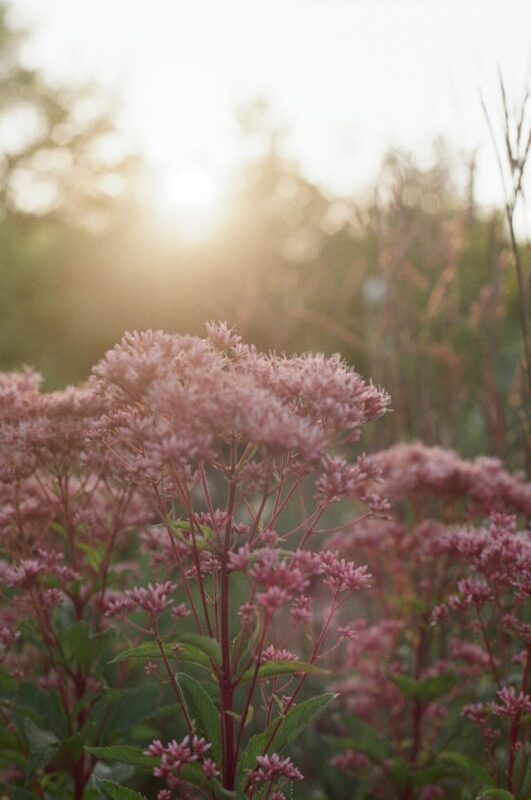
Essential Wildflowers.
These “weeds” are not nuisances. They are essential native wildflowers that support the health of entire ecosystems. Joe Pye Weed feeds dozens of butterfly species and is especially important for late-season nectar. New York Ironweed provides brilliant purple blooms that help sustain pollinators when little else is flowering. Orange Butterflyweed is one of the most important host plants for Monarch butterflies. These plants are not intruders. They are foundational species that evolved with North American wildlife for thousands of years.
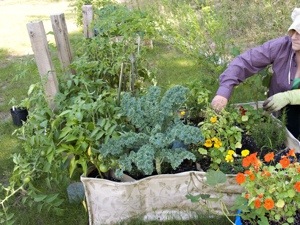
Ecosystem Services Created by Wildflower Systems.
Today farmers and gardeners are rediscovering how valuable these plants truly are. Native wildflowers play a vital role in soil health, pest control, and pollination. When farms integrate native plants into “linear pollinator rows,” crop yields increase significantly. These rows serve as wildlife corridors that improve fruit set, seed production, and overall plant health. Better pollination leads to better harvests, and farmers gain more resilience in their fields.

The Low Input Status of Wildflowers.
Homeowners also benefit from welcoming these wildflowers back into their landscapes. Native plants require less water, less fertilizer, and less intervention than nonnative ornamentals. They attract butterflies, hummingbirds, and beneficial insects that keep ecosystem cycles strong. What once was mislabeled as a weed is now understood to be a crucial ally in restoring biodiversity.
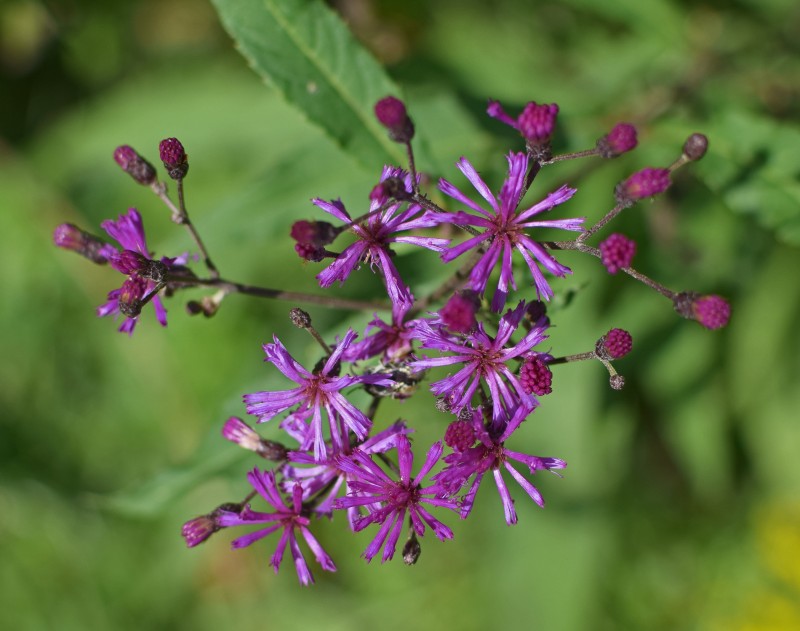
Rethink what’s a “weed.”
It’s time to rethink the word “weed.” These plants are beautiful, purposeful, and deeply important. By planting them intentionally, we honor the original ecology of this land and support a thriving future for farms, wildlife, and our communities. What beautiful weeds indeed.
When you’re ready Jessecology would obviously love to create your pollinator, bird, or butterfly garden. Start Your Project now.
Suggested Products


