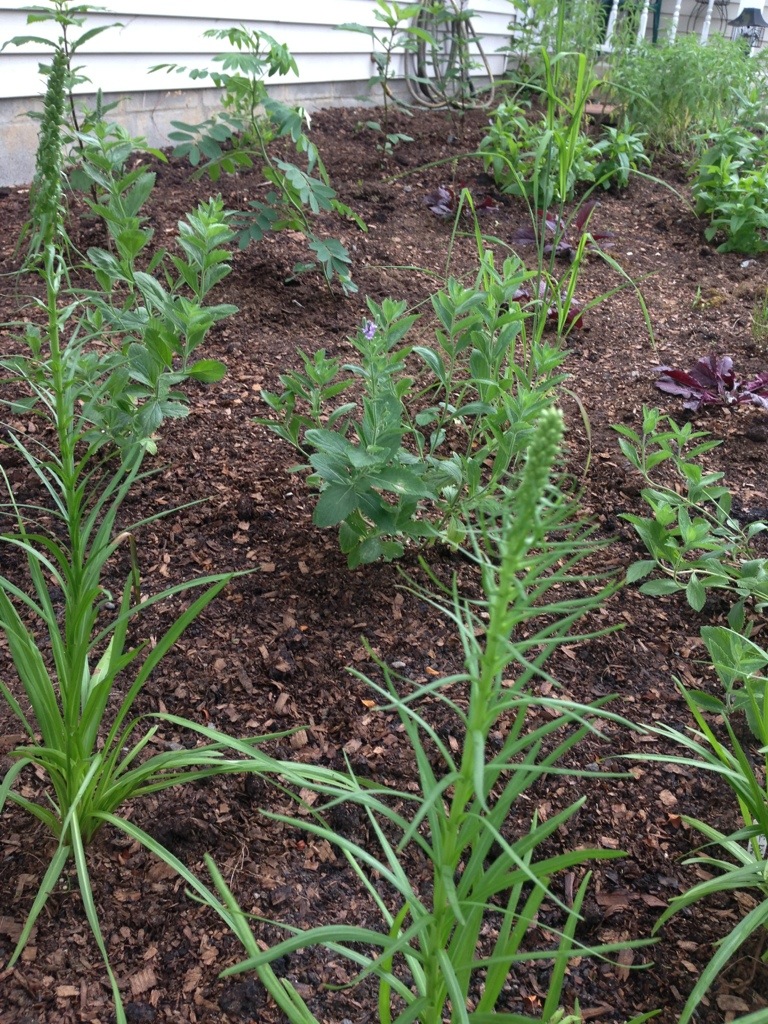
Native Plants: What Are They?
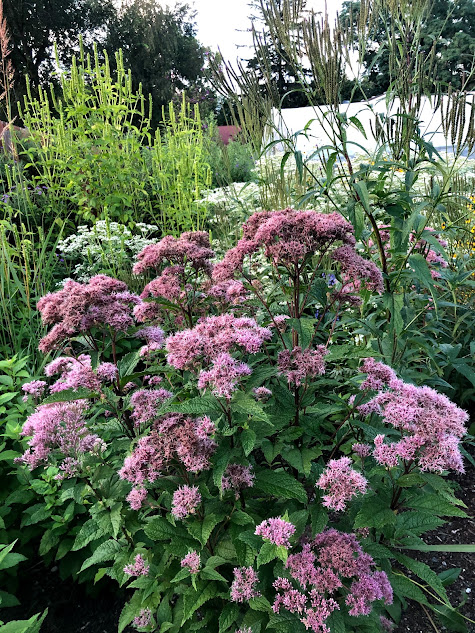
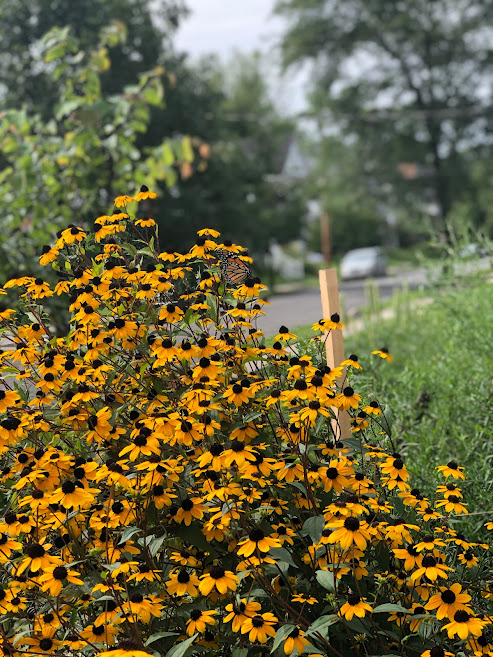
What are native plants? How can you differentiate a native species versus an introduced species? What designates a plant as invasive? Can a native plant be invasive?
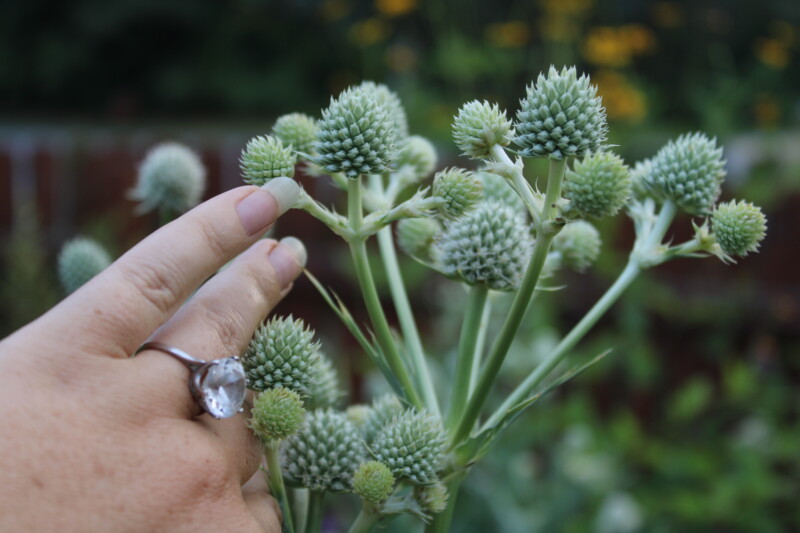
Native Plants: What Are They?
We consider a plant native to a region if it existed there already before the explorers (like Henry Hudson and Christopher Columbus) arrived. The evolution cycle for flora and insect fauna is long. It can take a while, like longer than centuries to sort out insects and host plant relationships. This is how respectful natural history is developed. Importantly, this is the process that keeps our ecosystems alive and healthy. Insects’ relationships with their host plants is a keystone health indicator.
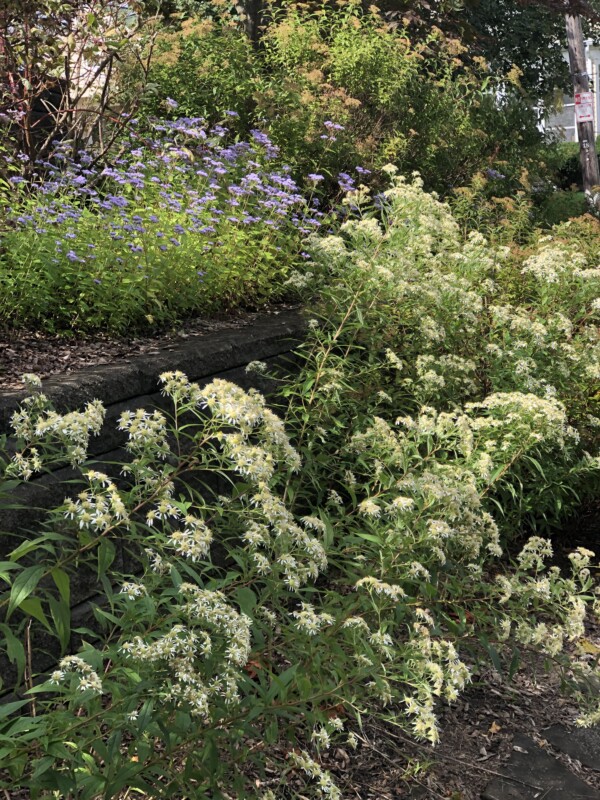
Determining if a plant is native or not is a research project. Discover the plant’s Latin nomenclature. Then, look it up! Ladybird Johnson’s wildflower.org is our favorite native plant database search engine.
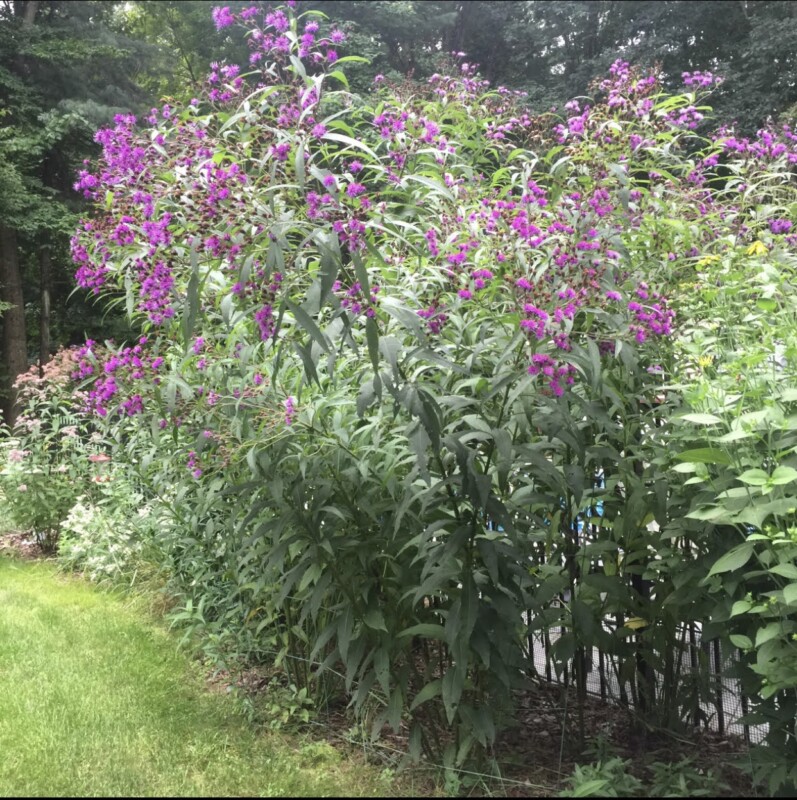
What designates a plant as invasive? Can a native plant be invasive?
A plant is considered invasive when it is introduced (intentionally or accidentally) to a region outside its native range and spreads aggressively, outcompeting local species and disrupting the ecosystem. The key elements are: non-native origin, rapid spread, and ecological harm.
In standard ecological terminology, a native plant cannot be invasive by definition. “Invasive” inherently implies introduction from elsewhere. A native plant that spreads prolifically might be called “aggressive” or “weedy,” but the term invasive is reserved for non-native species causing ecological disruption in a new environment.
If you’d like a native landscaping system created for you by a devoted professional team, get in touch. Certainly, we’d love to meet you! Fill out the Start Your Project form and we’ll chat soon.
Suggested Products