
The Eastern Cottontail Rabbit: Pest, Prey, or Ecological Partner?
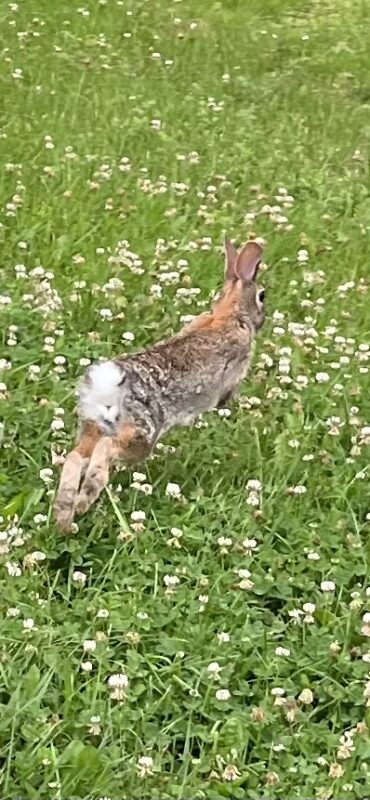
You’ve seen one freeze at the edge of your garden bed — nose twitching, ears swiveling, pretending to be invisible. The Eastern Cottontail rabbit (Sylvilagus floridanus) is one of upstate New York’s most familiar wild neighbors. But is it a pest to manage or a partner to welcome?
The honest answer: both, rather depending on your perspective.
Eastern Cottontail Rabbit: Who They Are.
The Eastern Cottontail is the most widespread rabbit in North America, a primarily herbivorous, crepuscular mammal that feeds on grasses, herbs, twigs, and bark. They prefer dense vegetation at the edge between woody cover and open grassland — exactly the kind of habitat a well-designed native landscape provides.
Their Ecological Role.
Cottontails are one of the primary links in the food chain, serving as essential prey for hawks, owls, coyotes, foxes, and weasels wherever they are found. A yard that supports cottontails is a yard that feeds raptors. They’re also herbivores that play a role in regulating plant populations in surrounding habitat.
The Garden Tension.
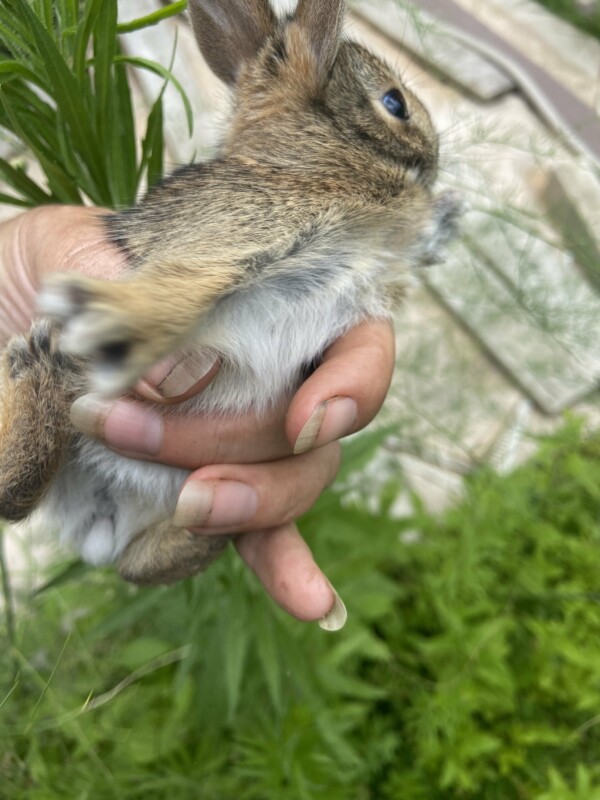
Eastern Cottontail rabbits can cause significant damage to ornamental and vegetable gardens — there’s no sugarcoating it. They’ll browse some young natives, nibble vegetable beds, and return nightly if food is available. But habitat loss is part of why they press so close to our gardens. The clearing of hedgerows, fence rows, and grassy buffers has had a significant effect on cottontail populations.

What You Can Do.
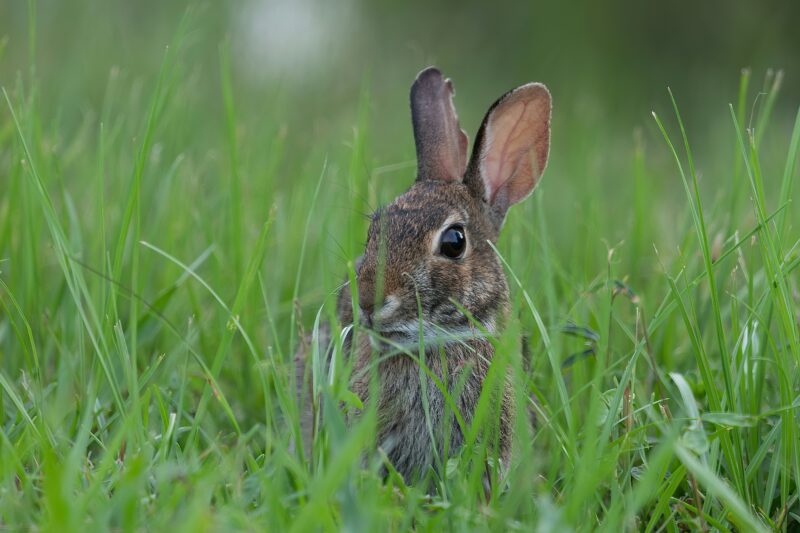
Rather than declaring war, consider a truce. Protect vulnerable plantings with simple fencing during establishment. And further out, let brushy edges be brushy — blackberry, native shrubs, and dense thickets provide the cover, food, and nesting habitat cottontails need to thrive away from your beds.
Additionally, you can allow some of the bunny’s favorite food plants like Dandelion, Horseweed and Clover to thrive. The animals will generally prefer the wild greens to anything in cultivation, even natives they love.
The Cottontail bunny isn’t a problem to solve. It’s a sign that your landscape is alive.
Suggested Products


