Slow Growth Big Beauty.
Native landscaping asks us to relearn time. In a culture trained for instant results, obviously, native gardens move at a deeper, older pace. Rather than rushing to impress in year one, they chill, adapt, and invest belowground first. As a result, the quiet truth behind slow growth begins with patience, not performance.
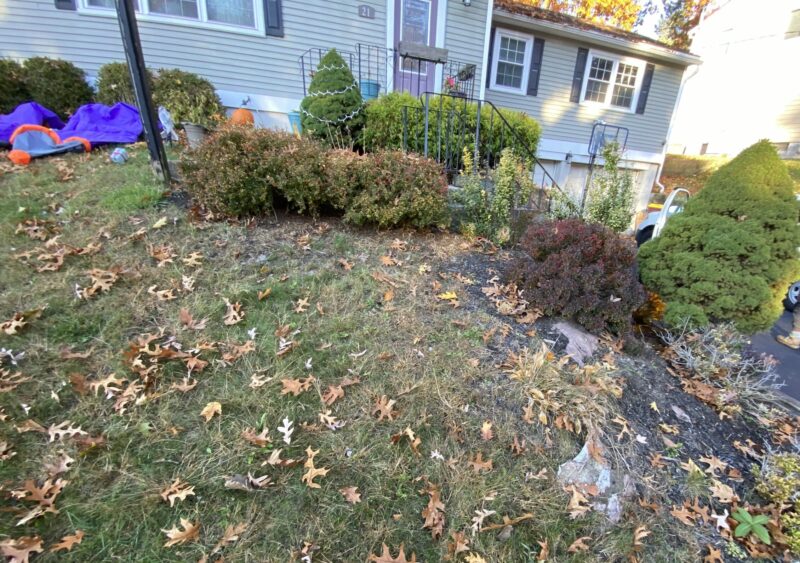
Slow Growth: Root Cycle.
During the first season, native plants focus on invisible work. Roots extend outward and downward, mycorrhizal relationships form, and plants actively read the site. At the same time, rainfall, soil texture, slope, sun exposure, and competition shape their responses. To an untrained eye, this phase can appear sparse or underwhelming. In contrast, to an ecologist, it looks exactly right.
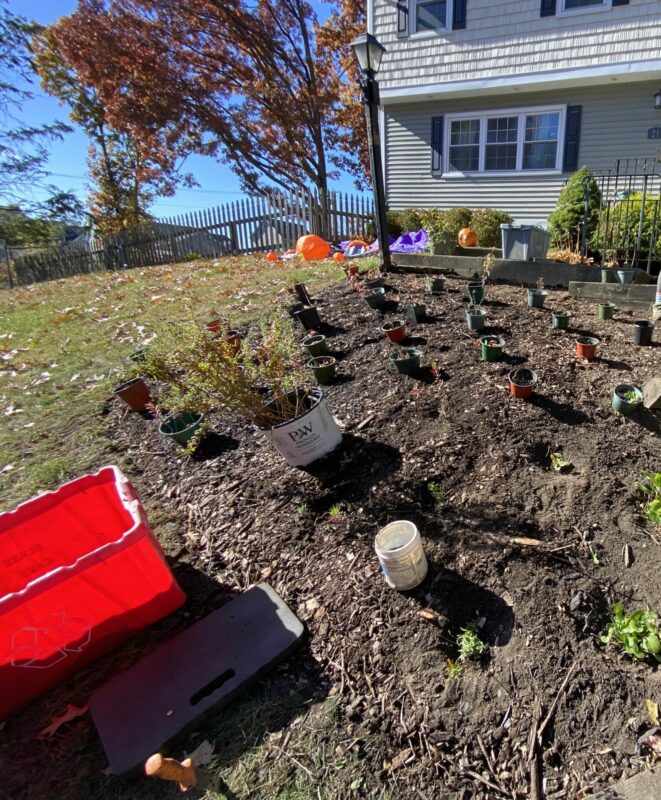
Year 2: The “Creep” Year.
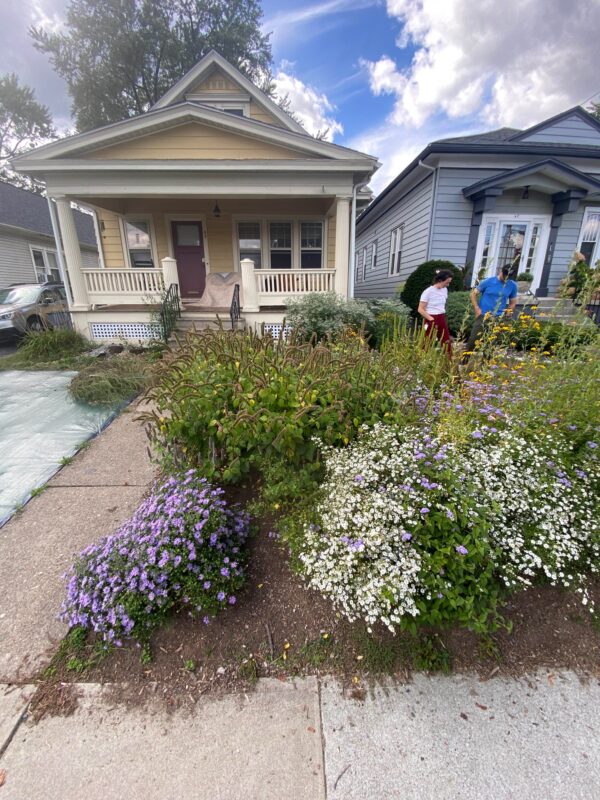
By year two, confidence emerges. Plants return stronger, stems thicken, flowering increases, and spacing starts to make sense. Even so, the garden may still hold gaps. Importantly, those gaps serve as intentional breathing room. Native systems do not intend to smother themselves. Wildflowers, trees and shrubs live overall in community with each other and the soil microbiome. Secondly, they share space with insects, birds, fungi, mammals and the rhythms of seasonal change.
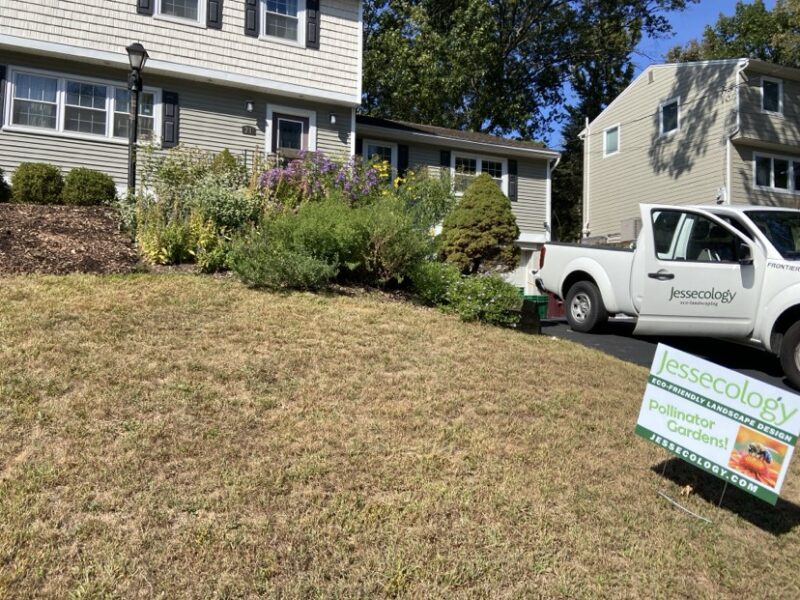
Year 3 is what we all wait for.
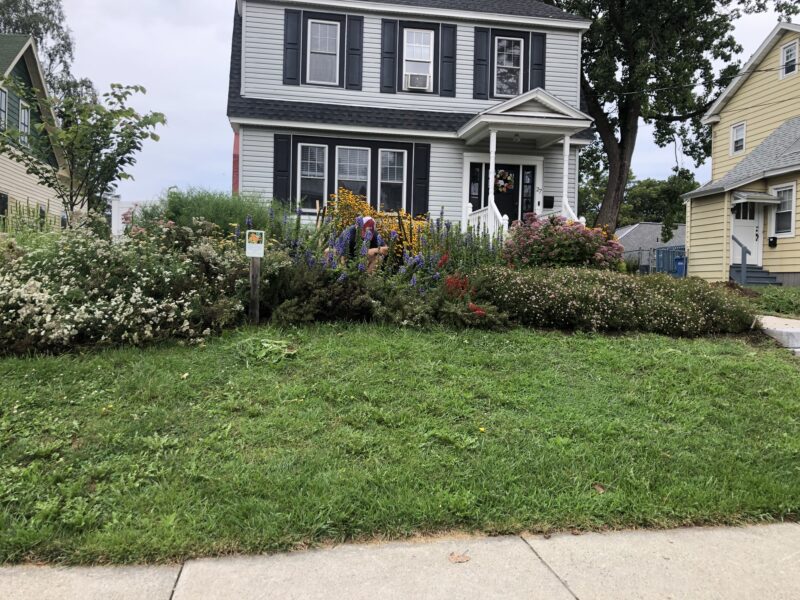
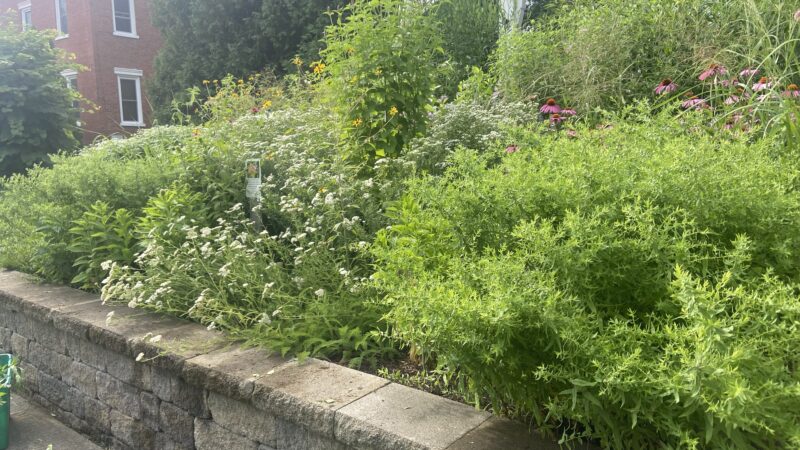
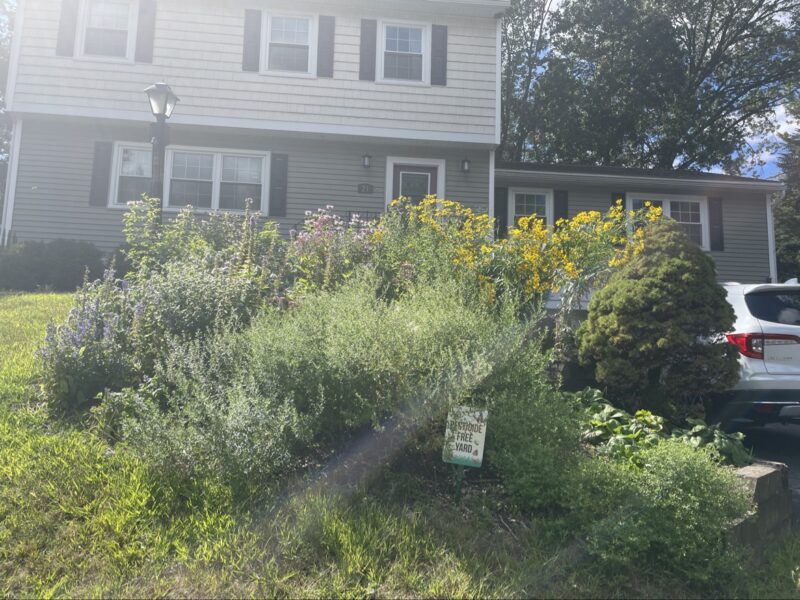
By year three, however, the shift becomes unmistakable. At this point, slow growth reveals its full trajectory. Roots anchor deep and stable. Plants hold their ground during drought, rebound after storms, and flower with authority. Meanwhile, pollinators arrive in layers and remain. Consequently, the garden no longer feels planted. It feels established and it obviously belongs to the land.
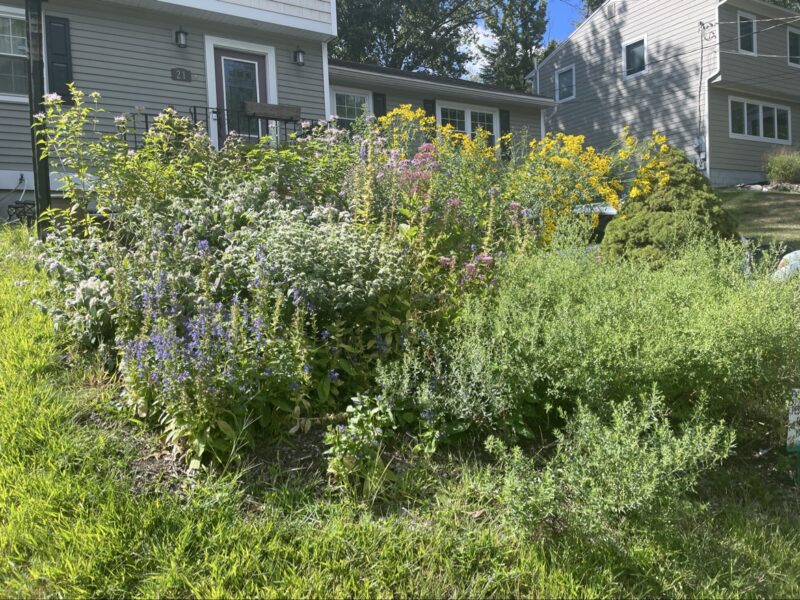
Because of this timeline, slow establishment is not a flaw. On the contrary, it is the advantage. Fast landscapes rely on constant inputs. Fertilizer, irrigation, replacement plantings, and cosmetic fixes prop them up. Over time, native landscapes reverse that relationship. Instead of demanding more, they give back more than they ask for. Less maintenance, fewer interventions and consequently much more life. The landowner has shifted into one of humanity’s rare regenerative modes.
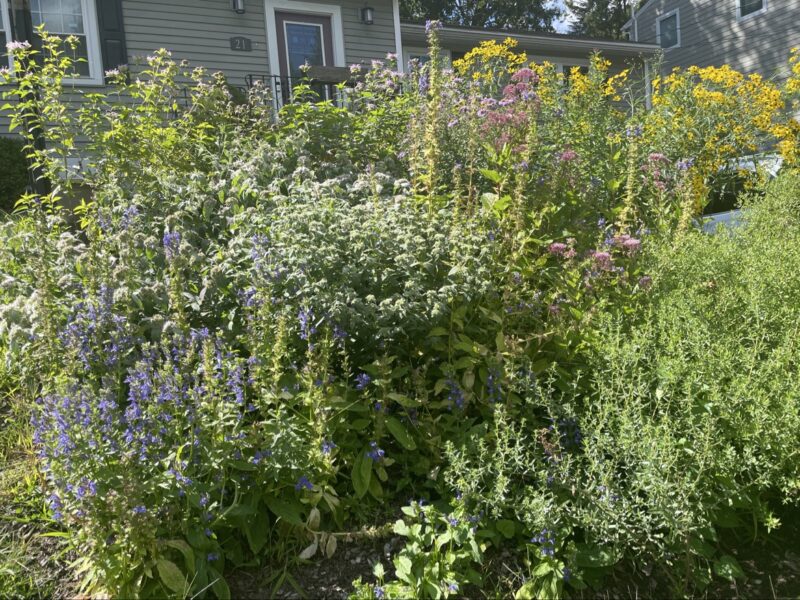
Ultimately, patience in native gardening is not passive. Rather, it is an active choice to build something durable. When clients understand this, expectations shift. Instead of focusing on how full a garden looks in month six, success centers on how resilient it becomes by year three and beyond.
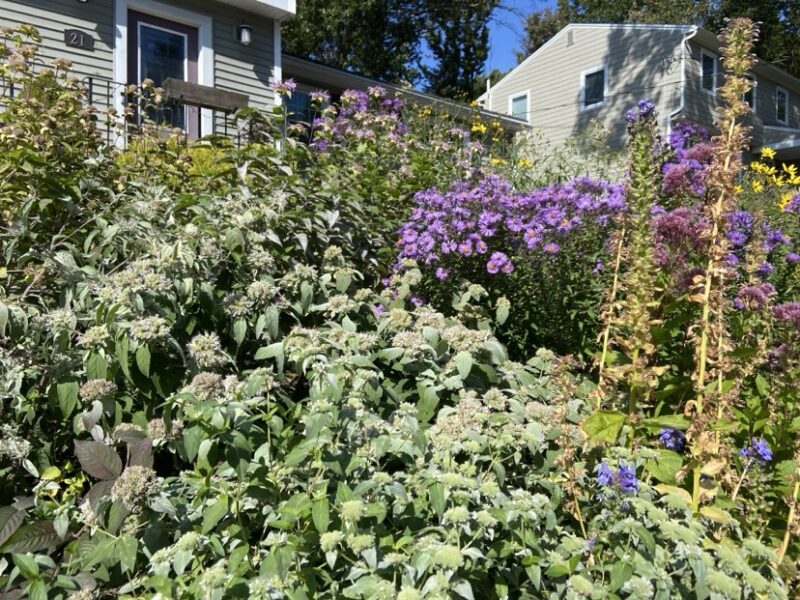
In the end, Slow Growth Big Beauty is not a slogan. It is a promise rooted in ecology. If you allow native plants the time they require, they reward you with a landscape that matures, stabilizes, and grows more beautiful every single year after.
Basically, Jessecology would love to work with you to develop natural garden systems in NYS!!
“Start Your Project” today and we’ll be in touch shortly.
Suggested Products