
Plant Shedding.

Plant shedding is the natural process by which a plant drops leaves, flowers, stems, or even entire shoots as part of its normal life cycle or stress response. It is not inherently a sign of disease or failure. In ecological terms, plant shedding is a self-regulating strategy.
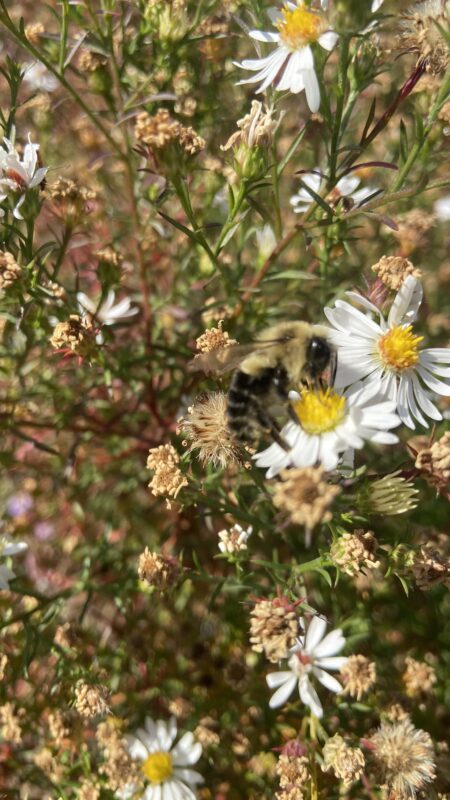
Here are the main forms and reasons:
1. Seasonal Plant Shedding.
Many plants shed leaves or aerial growth in response to changing seasons. Deciduous trees drop leaves in fall. Native perennials die back after flowering or frost. This conserves energy and protects the plant’s core tissues.
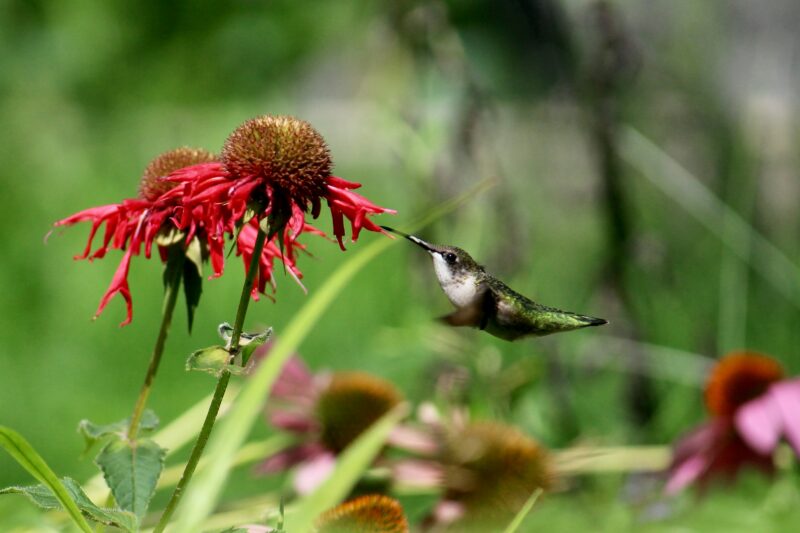
2. Stress-Induced Shedding
Plants may shed parts when under stress from drought, heat, transplant shock, nutrient imbalance, or root disturbance. By dropping tissue, the plant reduces water loss and metabolic demand while it stabilizes below ground.
3. Pest or Herbivory Response
In some cases, plants shed infested or damaged growth. This can limit pest spread, including insects like aphids. Cutting back heavily affected stems mimics this natural response and often helps the plant rebound quickly.
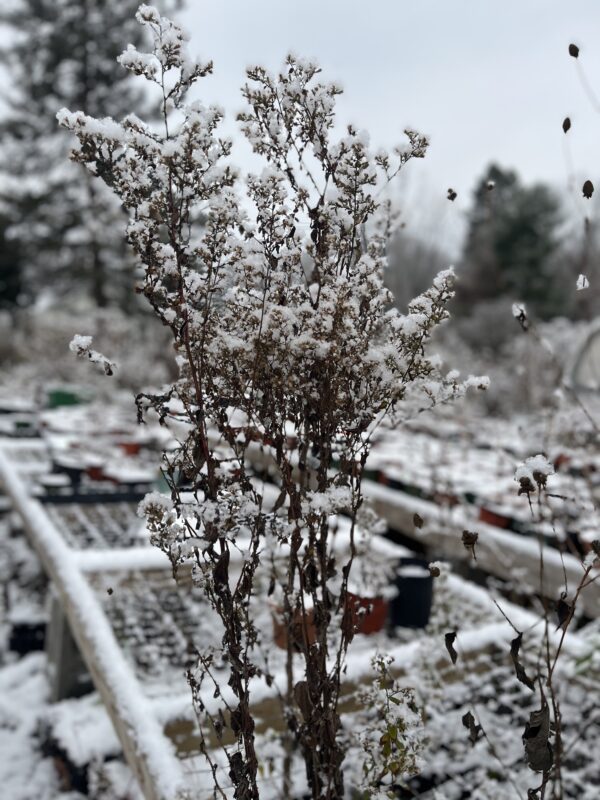
4. Resource Reallocation
Plants routinely shed older, shaded, or inefficient leaves to redirect energy toward new growth, roots, flowers, or seed production. This is especially common in fast-growing or early successional species.
5. Normal Growth Cycle
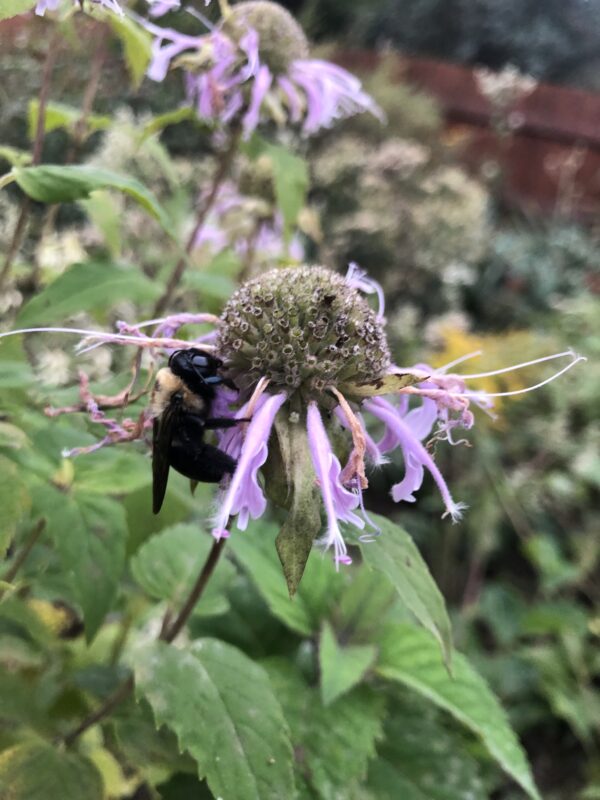
Shedding is certainly part of maturation. Flowers drop shortly after pollination. Seed heads detach. Lower leaves yellow and fall as upper growth takes priority.
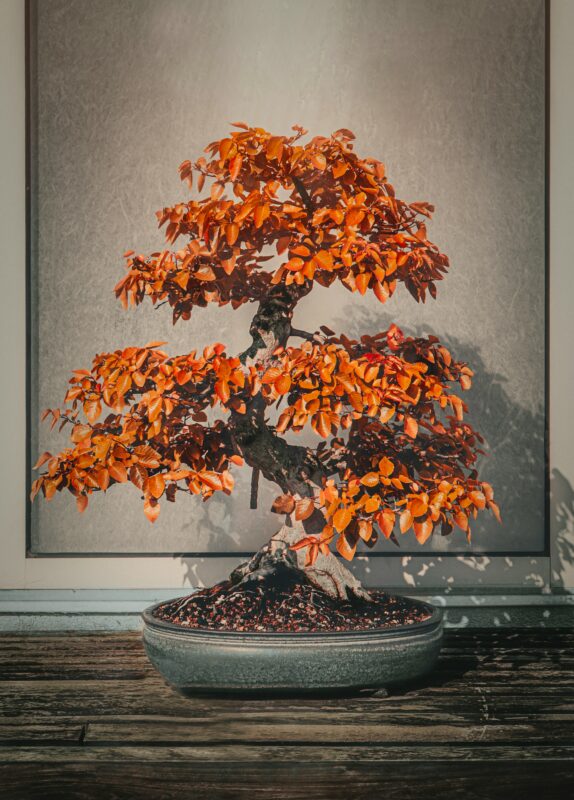
In healthy ecosystems, plant shedding basically feeds soil life. Generally, fallen leaves and stems become organic matter, building structure, fertility, and microbial communities. In that sense, shedding obviously is not loss. It is recycling.
How to hire Jessecology for natural landscaping construction straightaway.
Of course, Botany literacy matters. Work with a landscaping company that also understands plant systems from the roots up. Start Your Project with Jessecology today.
Suggested Products


