
Neem Oil for Plants: Why Native Gardens Don’t Need It.
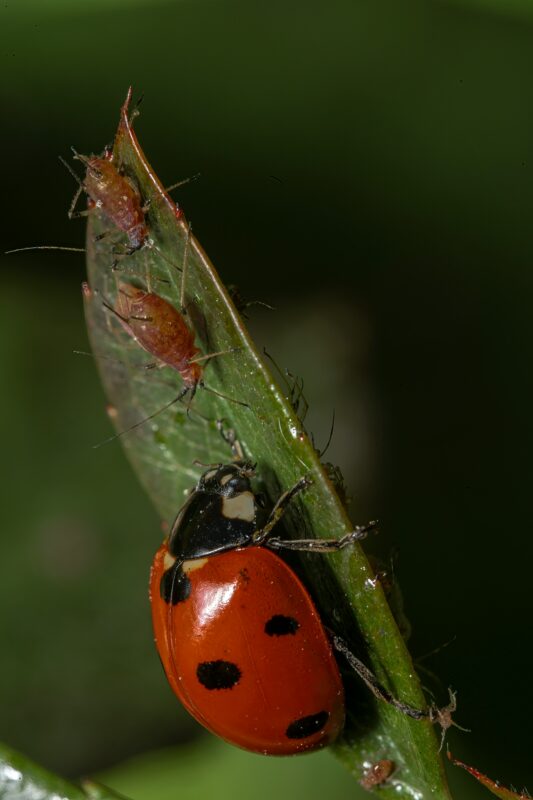
Neem oil (Azadirachta indica) is often marketed as a safe, organic solution for plant pest problems. Gardeners reach for it because it sounds gentle and responsible, especially compared to synthetic chemicals. But organic does not mean harmless, and it certainly does not mean necessary.
In landscapes built around native wildflowers, trees, shrubs, and native grasses, Neem oil should not be part of regular garden care. Native plant systems are designed to regulate themselves. Insects, predators, soil organisms, and plants evolved together, and occasional damage is part of a functioning ecosystem, not a failure that needs correction.
Neem oil works by coating insects and interfering with feeding and development. It does not discriminate. Neem oil can harm any insect or animal that crosses its physical path, including beneficial predator insects. Repeated exposure also matters. Azadirachta indica is a known endocrine disruptor and can interfere with human hormonal systems, especially when used frequently in home gardens.
Neem Oil Not for Plants: A Fair Application:
Neem oil does have limited utility outside the garden. It can help deter ants from entering homes when applied to entry points. Basically, it’s your ace in the hole for attics, basements or lower-level outer walls. That use is very different from spraying living plants in an ecosystem that depends on insect diversity.
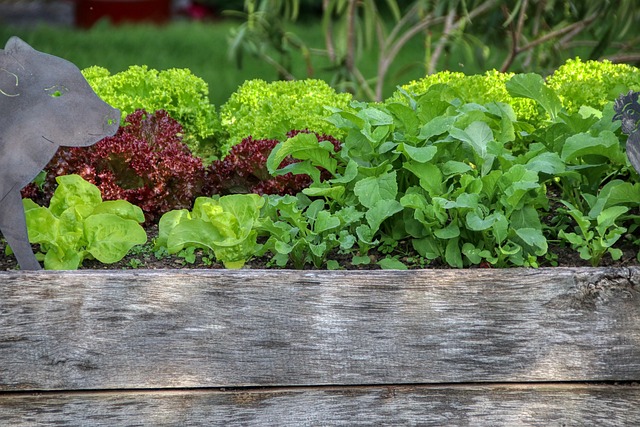
In vegetable gardens, many gardeners view Neem oil for plants as a lesser evil. While it is arguably less toxic than many synthetic pesticides, it is still disruptive. Instead of relying on sprays, stronger long-term results come from good spacing, crop rotation, compost tea, high on-site biodiversity, and removing all vegetable plant tissue from the property each fall.
The goal of ecological gardening is not to replace synthetic chemicals with organic ones. The goal is to design systems that do not require constant intervention. When gardeners design and plant appropriately, Neem oil for plants is unnecessary. Healthy gardens manage themselves. Inputs should be a signal or a leg up, but not a solution.
Suggested Products


