
Ground Cover Plants
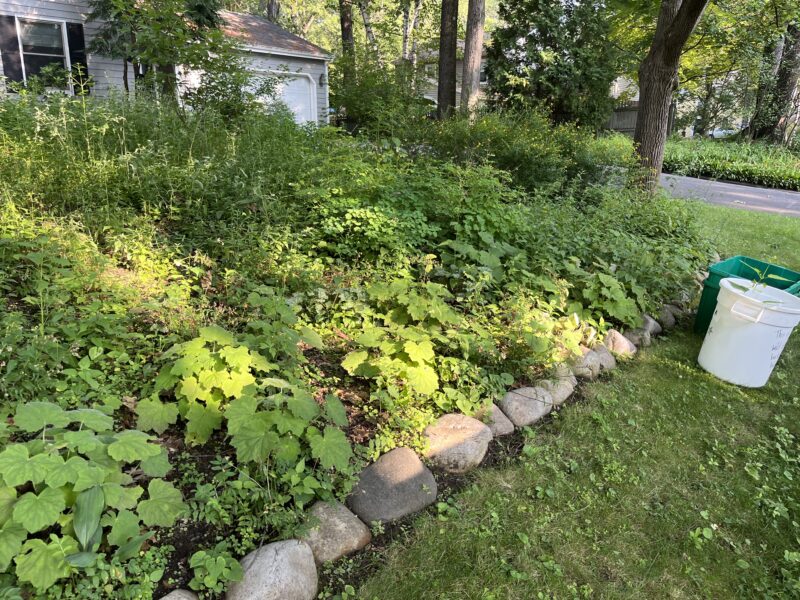
Planting native ground cover plants is one of the most beautiful, sustainable, and wildlife-friendly ways to manage low-maintenance areas. It is also one of the most affordable long-term strategies for homeowners who want a landscape that functions well without constant input.
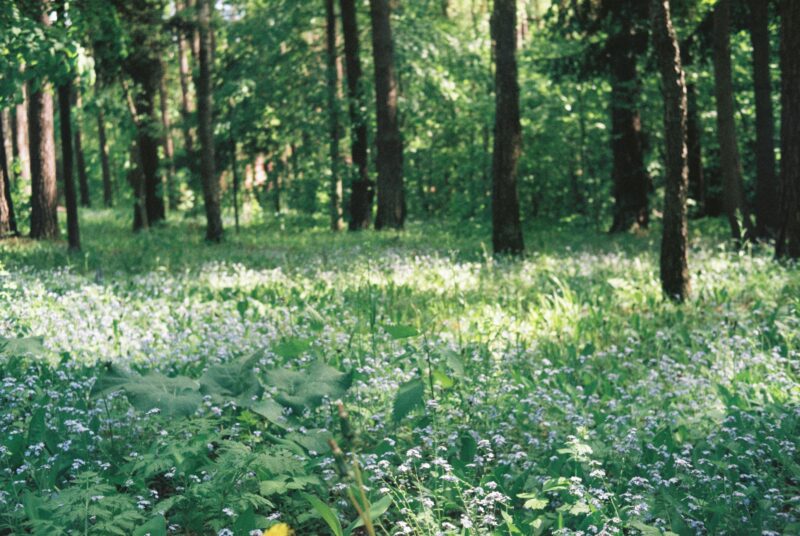
Native Ground Cover Plants > Lawn.
Native ground cover plants basically outperform lawn in nearly every ecological category. They certainly require less water once established. Additionally, groundcover eliminates the need for chemical fertilizers or herbicides, and drastically reduces mowing. Instead of fighting nature to keep grass alive in marginal spaces, ground cover works with natural plant systems to protect soil and build resilience.

Habitat Creation
Ground cover plants also create habitat. Dense, living plant layers shelter insects, support pollinators, and moderate soil temperatures. Roots of course hold soil in place, reduce erosion, and improve water infiltration. In contrast to turfgrass, which is biologically thin, native ground cover creates a living surface that feeds the ecosystem.
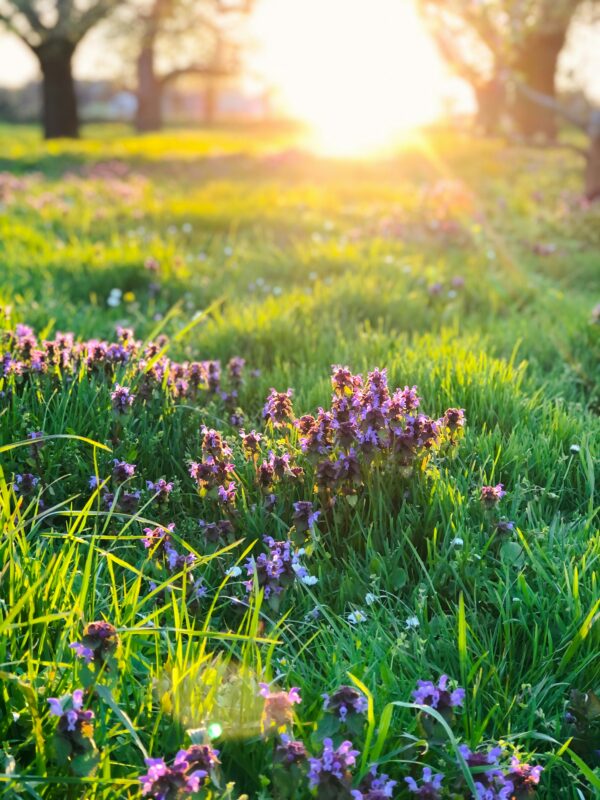
A few reliable native ground cover options include:
Phlox divaricata (Woodland Phlox)
An early spring bloomer that thrives in part shade. It spreads gently, knits soil together, and provides critical early nectar for pollinators.
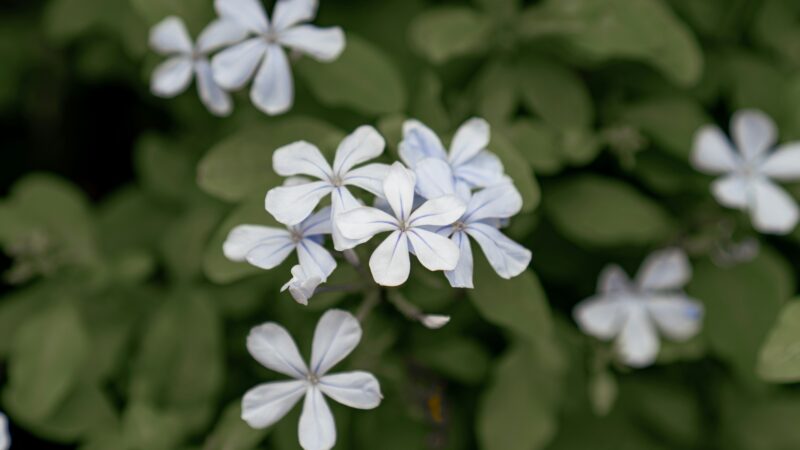
Waldsteinia (Barren Strawberry)
A tough, evergreen-leaning ground cover that holds soil year-round. Excellent for slopes and edges where stability matters more than flowers.
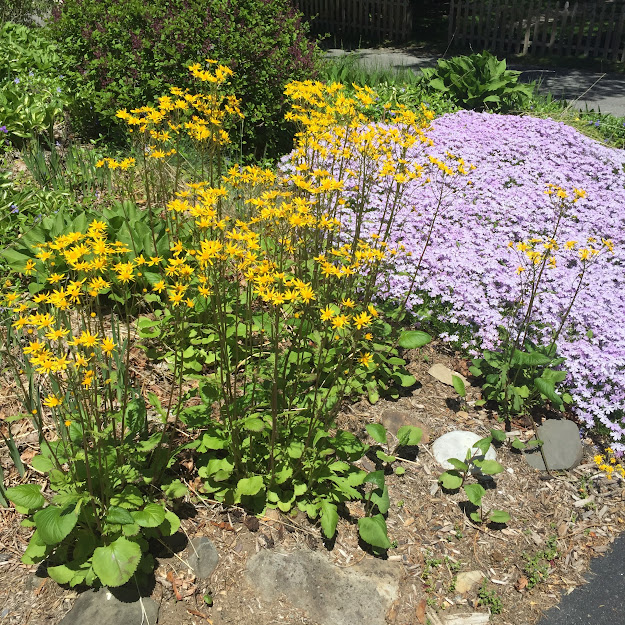
Packera aurea (Golden Ragwort, aka Senecio)
Bright spring blooms and strong clumping growth that fills space without becoming aggressive.
Carex (Native Sedges)
One of the most versatile and underused ground cover groups available.
Carex deserves special attention. Native sedges function as what we often call a “green mulch.” They form dense, fibrous root systems that protect soil the way shredded bark mulch does, but without needing to be replaced. Their fine, arching foliage shades the soil surface, suppresses weeds, retains moisture, and moderates temperature swings.
Unlike wood mulch, Carex improves with time. As plants mature, they create a self-renewing ground layer that cycles nutrients back into the soil. Many Carex species stay attractive through winter, providing structure and erosion control when bare soil is most vulnerable. They thrive under trees, along pathways, in rain garden edges, and anywhere lawn struggles.
Using native ground cover plants is not about filling space as cheaply as possible. It is about building a stable, living surface that reduces maintenance while increasing ecological function. Once established, these plantings ask very little and give a great deal in return.
Healthy landscapes start from the ground up.
Plants run on systems, not shortcuts. Start Your Project with Jessecology straightaway.
Suggested Products


