
Soft Landings: A Better Way to Care for Trees and Build Habitat
The practice of designing “soft landings” is transforming how ecologically minded gardeners care for the spaces beneath their trees. Instead of relying on mulch or stagnant lawngrass, soft landings involve planting gentle, shade-tolerant native perennials under the canopy. These plants create a living layer of protection that is far more dynamic, supportive, and beautiful than a ring of woodchips could ever be.
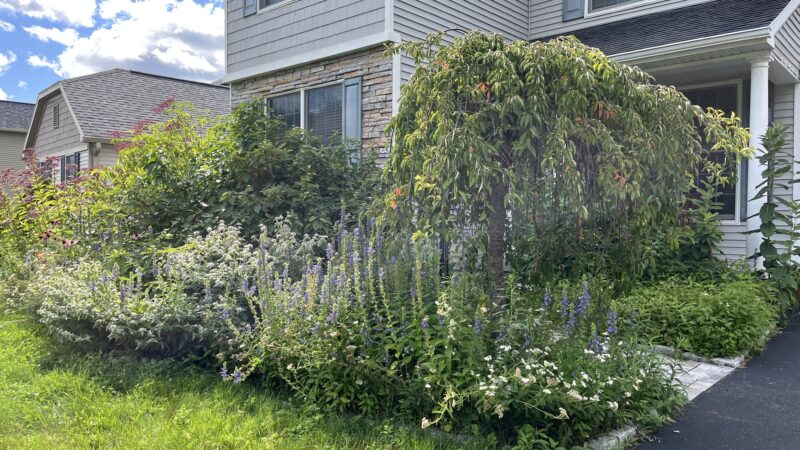
Mulch certainly has its place, but it is overused in the industry. It does not feed the soil web in meaningful ways, and it does not provide habitat. In contrast, a thoughtfully planted understory of native species brings the soil to life. Their roots hold moisture, moderate soil temperature, and continue the quiet work of building organic matter. The result is cooler summer roots, richer soil structure, improved infiltration, and decreased erosion around treasured trees.
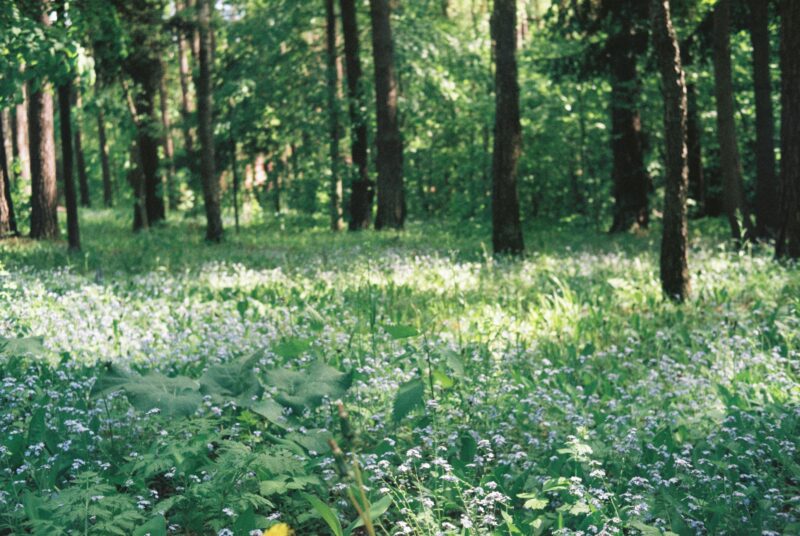
Soft landings also support wildlife. Many native insects, including butterflies and moths, rely on leaf litter and low vegetation to shelter their young. When gardeners replace mulch with species like Woodland Phlox, Wild Strawberry, Pennsylvania Sedge, and other low, soft-growing perennials, the space beneath the tree becomes a nursery for beneficial insects and a refuge for small creatures that make up the base of our ecosystem.

This living mulch approach is also visually appealing. You have the option range from subtle to lush: a simple sweep of Sedge beneath a Maple, or a tapestry of shade-loving wildflowers beneath an Oak. Either way, the effect is natural, calming, and deeply ecological.
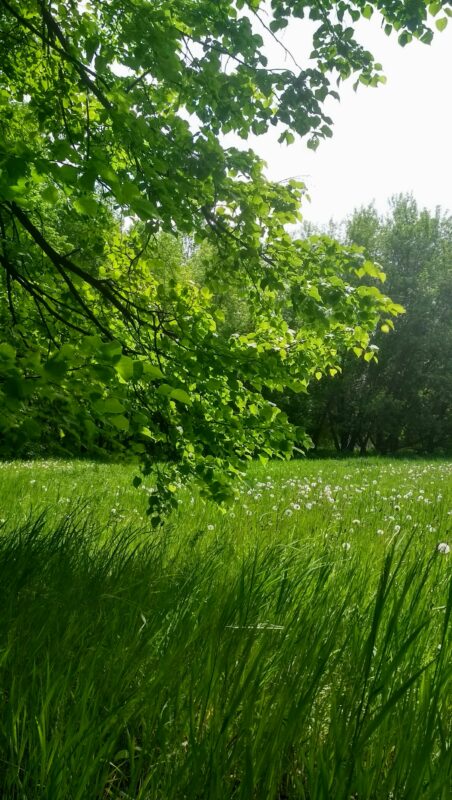
The goal is simple. Instead of bare mulch beds, we create welcoming, gentle plant communities that keep trees healthy while increasing biodiversity. Soft Landings is a small shift in practice with enormous ecological benefit, turning every tree on a property into a habitat hub.
Hire Jessecology for naturalist landscape construction in NYS! Start Your Project right here.
Suggested Products


