
Right Plant, Right Place.
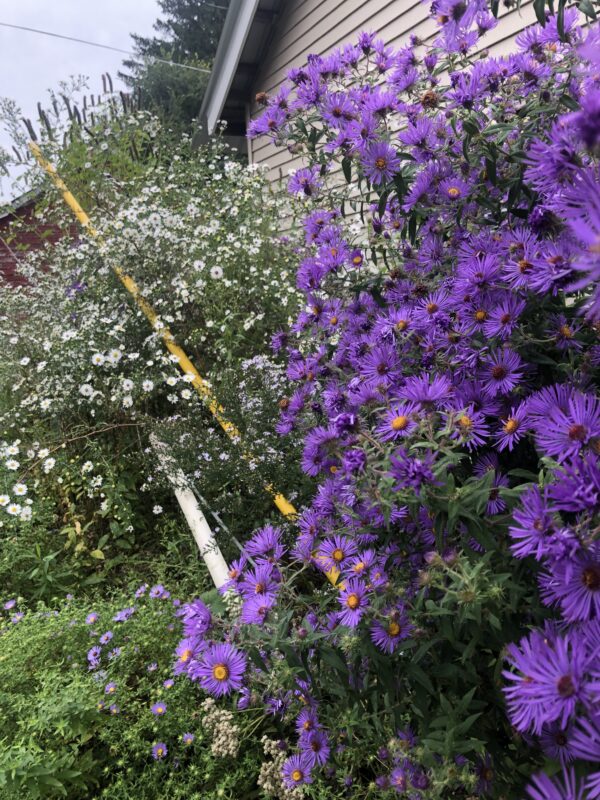
“Right Plant, Right Place” is a simple phrase that carries so much ecological wisdom. It describes the foundation of good garden design and the difference then between landscapes that struggle and landscapes that thrive. When plants are matched to the conditions they evolved in, gardens cooperate with nature instead of fighting it.
At its core, this principle asks for observation and research before planting. Soil moisture, sunlight, drainage, and exposure are generally not obstacles to overcome. Rather they are instructions.
Start With the Site, Not the Plant.
Many garden failures happen because a plant is chosen first and the site is forced to accommodate it. Ecological design reverses this straightaway. The land generally tells you what type of plants can belong there.
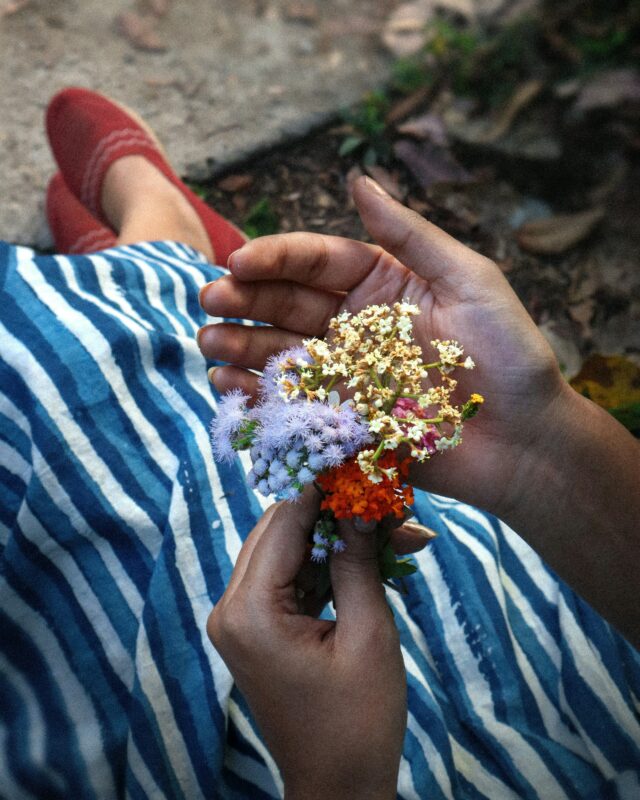
Of course, wet soils, compacted ground, and seasonal flooding call for plants that expect wet feet. In reality, dry slopes, sandy soils, and hot exposures demand species adapted to drought and heat. Shade beneath trees creates a woodland environment, regardless if it’s located the middle of a suburban yard.
As soon as you understand the site, plant selection becomes more limited.
Wet Sites Want Wet Plants.
Rain gardens, low spots, and stream edges are perfect places for moisture loving species. These plants handle saturation without stress and often grow vigorously where others rot.
Examples include Swamp Milkweed, Blue Flag Iris, and Tussock Sedge. Planted in the right conditions, these species stabilize soil, manage stormwater, and require very little maintenance.
Trying to force dry garden plants into wet soils almost always leads to decline and replacement.
Sun Plants Need Sun.
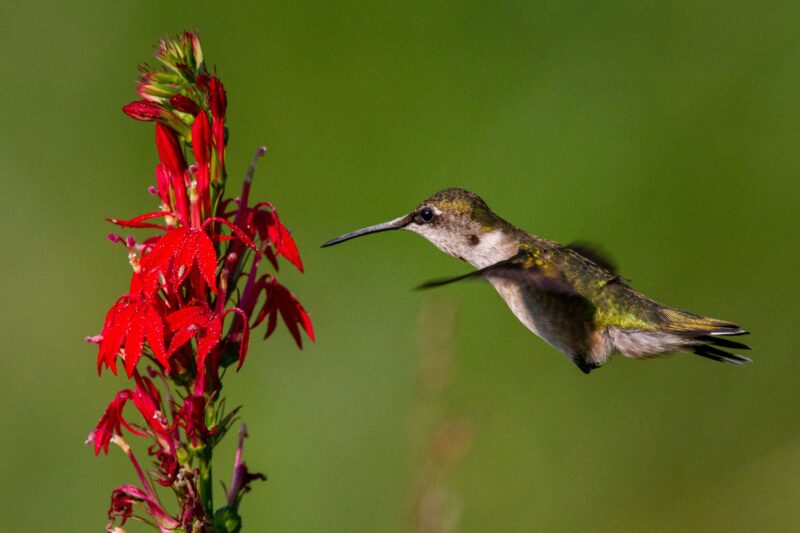
We define areas as “full sun” when six or more hours of direct sunlight hit per day. Prairie and meadow species evolved in open conditions and depend on high light levels to stay upright, flower well, and outcompete weeds.
Plants like Little Bluestem, Purple Coneflower, New England Aster, and Butterfly Weed thrive in these bright spaces. When planted in shade, they stretch, flop, or disappear. In sun, they form strong, resilient plant communities.
Woodland Plants Belong in Shade.
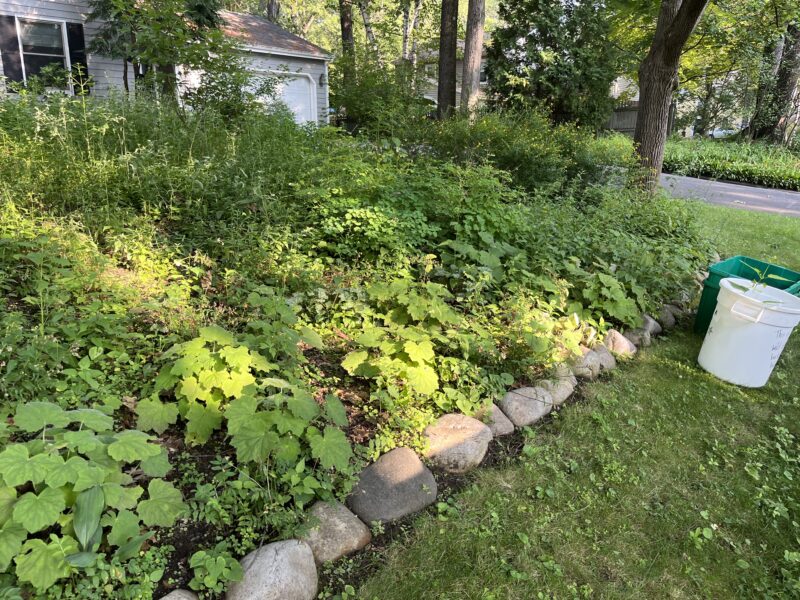
Shade is not a limitation. It is a distinct habitat. Soils stay cooler under tree canopies. These conditions conserve moisture and filter light. Woodland plants thrive here.
Ferns, Wild Ginger, Foamflower, and Woodland Phlox flourish in shade and part shade. These plants spread gently, protect soil, and create layered, calm landscapes. Forcing sun plants into shade results in weak growth and constant intervention.
Dry Sites Require Dry Loving Plants.
Dry, exposed areas are often misunderstood and over irrigated. Many native plants prefer lean, dry soils and suffer when pampered.
Species like Prairie Dropseed, Wild Indigo, Coreopsis, and Aromatic Aster are built for drought. Once established, they need little to no supplemental water and become more resilient over time.
Watering heavily in dry sites often encourages weeds rather than helping the plants.
Designing With Nature, Not Against It.
“Right Plant, Right Place” is not restrictive. It is freeing. When plants are matched correctly to their environment, maintenance drops, plant health improves, and the garden becomes more stable each year.
Ecological garden design is not about control. It is about cooperation. The more closely a garden mirrors natural plant communities, the more beautiful, resilient, and self sustaining it becomes. When you listen to the site and let it guide your choices, nature does some of the work for you.
Hire Jessecology to design and install native landscapes that work with your site, not against it. Thoughtful planning, lasting beauty, and low maintenance results.
Suggested Products


