
Persimmon Tree: A Native American Treasure.
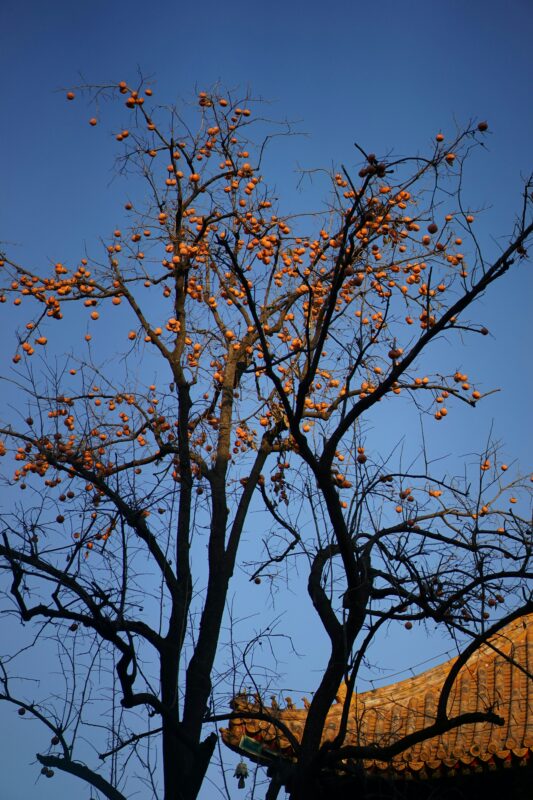
The American Persimmon Tree (Diospyros virginiana) is basically one of the most charming and quietly powerful native trees in the United States. Widespread across the eastern and central regions, altogether this tree brings beauty, ecological strength, and delicious fruit to landscapes of all kinds. It is finally a fantastic fit for habitat gardens, edible landscapes, conservation projects, and any property looking to support wildlife and ecological health.
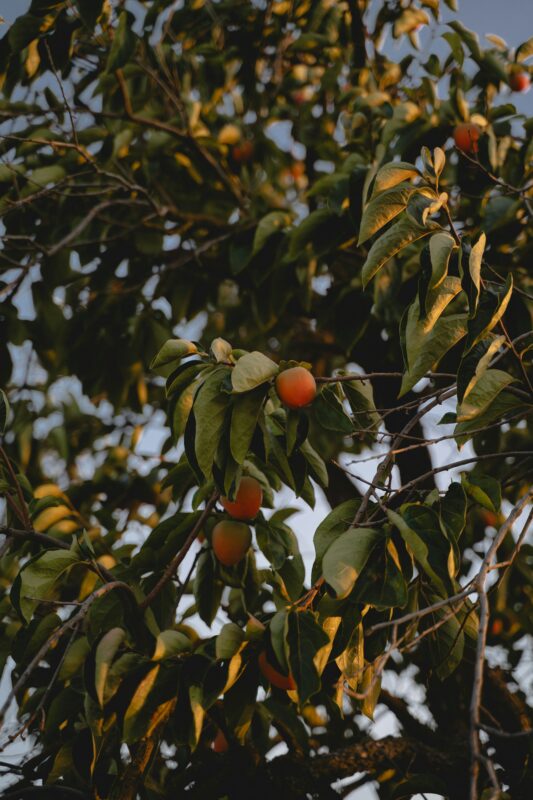
Growth Habit of the Persimmon Tree.
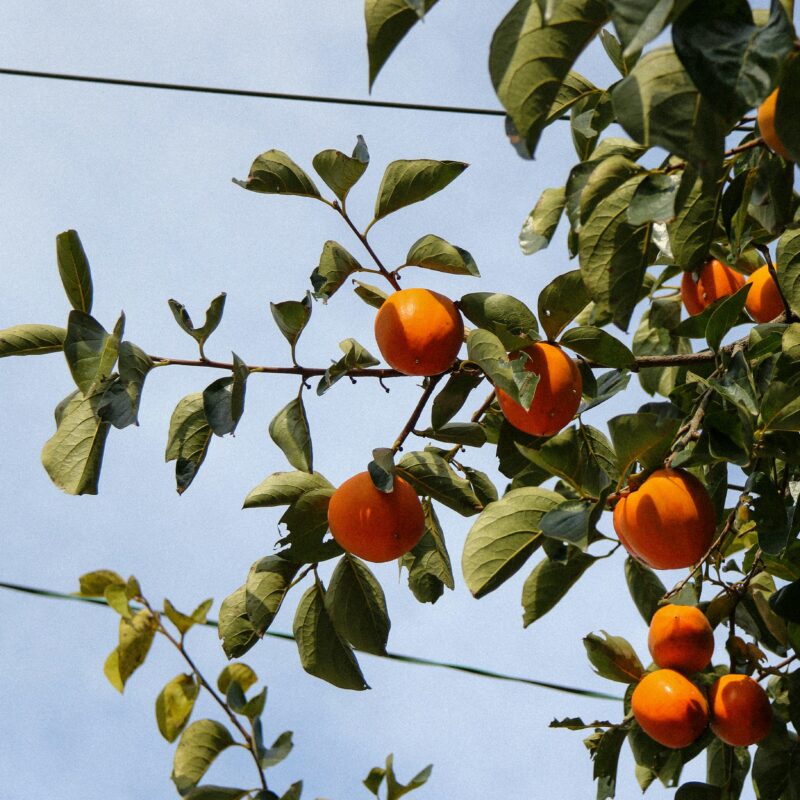
Persimmons grow steadily into lanky trees between thirty and sixty feet tall. Their bark is dark and blocky, often compared to the texture of alligator skin. In spring they produce small creamy yellow flowers with a soft fragrance that draws pollinators. By autumn these flowers have become bright orange fruits that ripen fully after the first frost. A ripe Persimmon is sweet, almost caramel flavored, and beloved by wildlife and people alike.
Ecosystem Services of the Persimmon Tree.
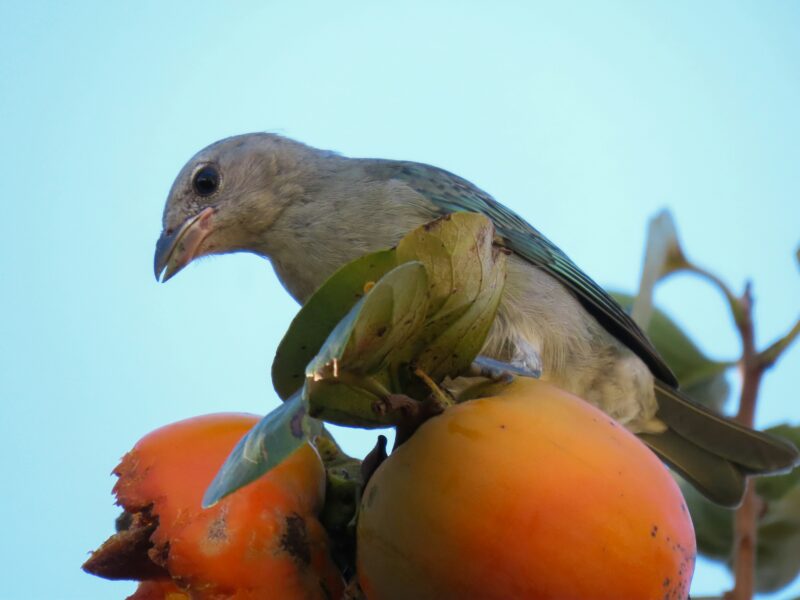
Ecologically, the American Persimmon is a powerhouse. Birds, foxes, deer, raccoons, and opossums depend on the high calorie fruit at the end of the growing season. The tree also supports moth species such as the Luna Moth. Its deep roots anchor soils, improve difficult sites, and quietly help restore stressed landscapes. Because Persimmon trees tolerate drought, clay, heat, and varying soil conditions, they are perfect for climate resilient gardening across New York and the entire northeastern region.
Site Conditions Prefered.
Persimmons are adaptable and easy to grow. Full sun is ideal, but light shade is perfectly acceptable. They flourish in clay and loamy soils and need very little maintenance once established. Occasional winter pruning is all they require. One note for home gardeners: American Persimmons are dioecious, meaning fruit only forms if a female tree has a male pollinator tree nearby. Wildlife often handles this naturally, but in designed landscapes it is worth planning for.
A Good Investment Tree.
For landowners who care about beauty, habitat, and nourishment, the Persimmon is a tree that gives generously. It offers food for people, food for wildlife, strong ecological services, and a timeless presence in the landscape. Planting native trees like Persimmon is one of the simplest ways to heal the land and build a more resilient region for future generations.
Obviously, the Jessecology team would love to design and install edible landscaping for your NYS site! “Start Your Project” today.
Suggested Products


