
Luna Moths: Moonlit Romance in the Night Garden.
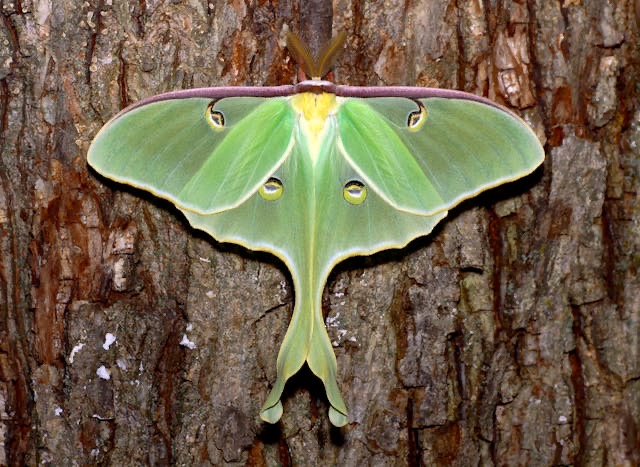
If any creature in our northeastern forests seems made of myth rather than biology, it’s the Luna Moths (Actias luna.) Pale green wings, long trailing tails, and a soft luminescence under moonlight make them one of the most romantic native species we can welcome into our gardens. But their beauty goes deeper than appearance. The entire adult phase of a Luna Moth’s life is devoted to one thing: finding love.
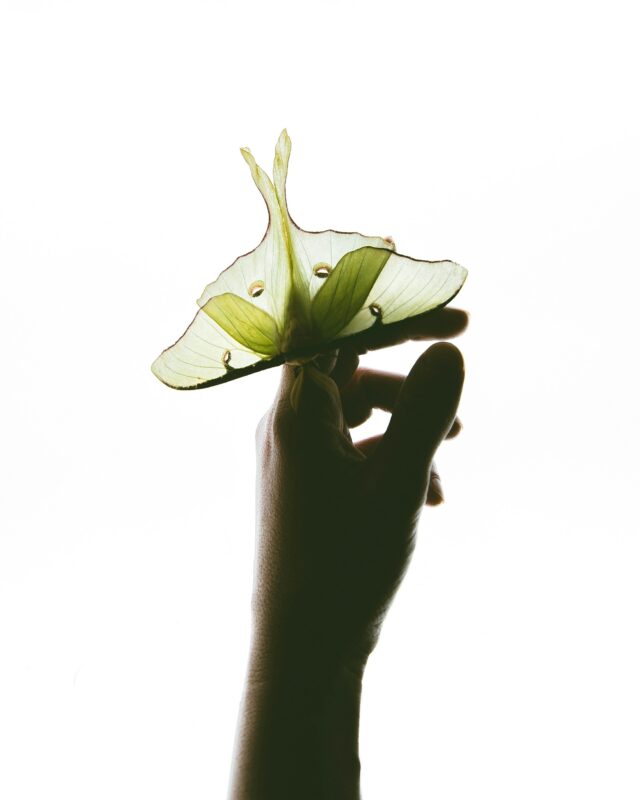
Adult Lunas do not eat. They emerge, gorgeous and otherworldly, with no mouthparts at all. Their entire 7–10-day lifespan is focused on breeding before their brief window closes. When you see a Luna Moth, every signal from nature says: you’re witnessing a creature of pure purpose, one that exists only to rise, love, and disappear. Their nocturnal rhythm adds to the enchantment. They fly in the late-night hours when the world is quiet, making our rare encounters with them feel private and almost sacred.
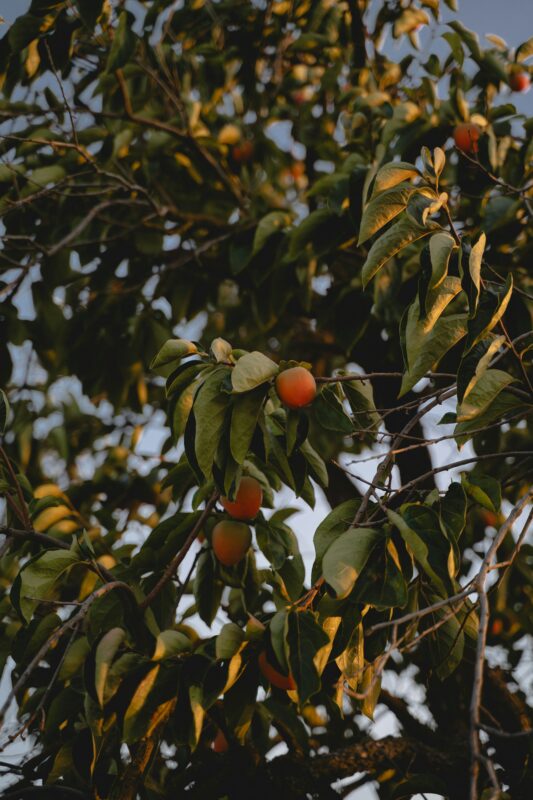
Host Plants: The Key to Luna Moth Survival.
To welcome Luna Moths, we must plant for their children, not the adults. Caterpillars do all the feeding, and in New York State and throughout the Northeast, these native trees are their primary hostplants:
Primary Host Trees.
White Birch (Betula papyrifera)
Gray Birch (Betula populifolia)
Paper Birch (Betula papyrifera)
Butternut (Juglans cinerea)
Hickories (Carya species)
- Shagbark Hickory (Carya ovata)
- Pignut Hickory (Carya glabra)
- Bitternut Hickory (Carya cordiformis)
Sweetgum (Liquidambar styraciflua) – uncommon upstate but present in parts of the lower Hudson Valley.
Persimmon tree (Diospyros virginiana) – marginal in NYS but increasingly hardy with warming winters.
White Oak (Quercus alba)
Red Oak (Quercus rubra)
Pin Oak (Quercus palustris)
(Oaks are excellent generalist hostplants for hundreds of native moth and butterfly species.)
These trees provide the only food young Luna caterpillars can eat. No host trees, no Luna Moths. It’s that simple.
What to Do if You See a Luna Moth.
Because they fly so rarely and live such brief adult lives, encountering one is special. A few guidelines:
1. Do not disturb it.
Lunas spend precious energy flying, mating, and laying eggs. Let them rest if they’ve landed.
2. Turn off bright outdoor lights.
Artificial light disorients nocturnal moths and can interrupt their breeding cycle. If one is circling your porch light, switch the light off and let them drift back to the dark.
3. Take a quiet moment.
Seeing a Luna Moth is considered good luck in many cultures. Enjoy the moment, because you’re witnessing a fleeting miracle of the Northeast night woods.
4. If you find a Luna Moth on the ground in the morning:
It may simply be resting or newly emerged. Gently move it to a shaded vertical surface such as a tree trunk if you’re worried about trampling.
Planting for Luna Moths: How to Welcome Them Home.
Creating Luna-friendly habitat is not rather complicated. Focus on restoring native tree diversity, especially the host plants above. The more of these species in your landscape, the more potential your property has to support Luna Moths as part of its nighttime ecosystem.
Best Additions for NYS and the Northeast:
- Gray Birch (Betula populifolia) – fast-growing, excellent for early succession habitat.
- Shagbark Hickory (Carya ovata) – long-lived and ecologically rich.
- White Oak (Quercus alba) – a keystone species in eastern forests.
- Black Walnut (Juglans nigra) – high wildlife value and striking form.
If your garden is small, even one or two native host trees can help. If you steward acreage or manage a corporate campus, planting groves of these trees weaves new habitat into the region—reviving nocturnal pollinators, restoring food webs, and making your land part of the migration corridors Luna Moths rely on.
Awe is the Salve that Heals our Eyes.
-Rumi
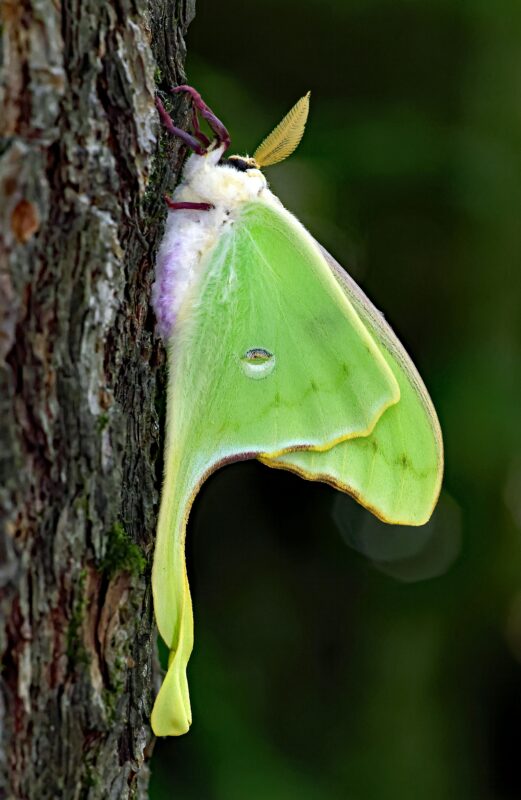
Finally, Luna Moths remind us that not every life in nature is about efficiency. Obviously, some exist simply to rise at night, drift through the moonlight, and embody romance itself. When we plant Luna hostplants, we’re not just doing conservation gardening. We’re saying yes to enchantment, yes to biodiversity, and yes to welcoming one of the most magical beings of the Northeast back into our world.
Suggested Products


