
Japanese Knotweed Remediation
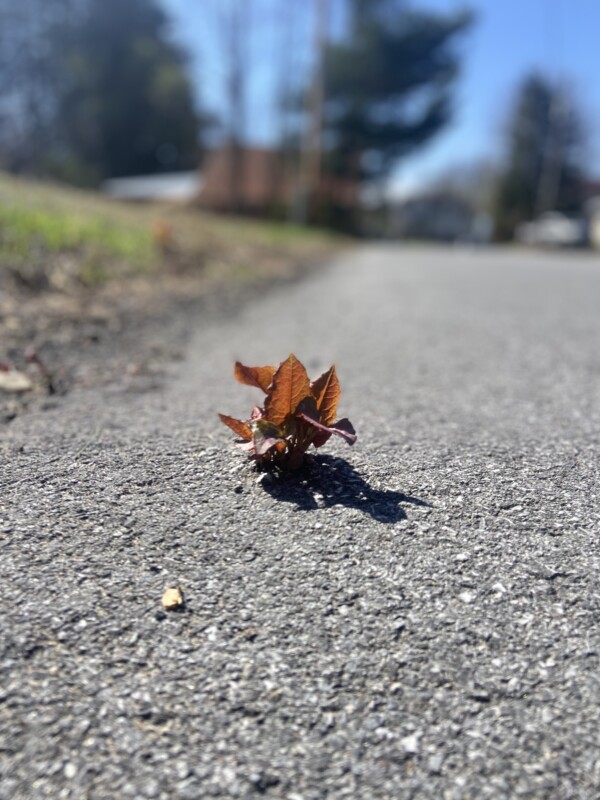
Japanese Knotweed Remediation: Listening to the Soil Beneath the Problem
Japanese Knotweed is altogether often labeled an enemy. It spreads quickly, dominates disturbed land, and challenges even experienced land stewards. Yet this plant is not appearing by accident. Its presence is a signal. Japanese Knotweed thrives where soil chemistry is deeply imbalanced and compacted. Instead of viewing it only as a threat, we can read it as a messenger.
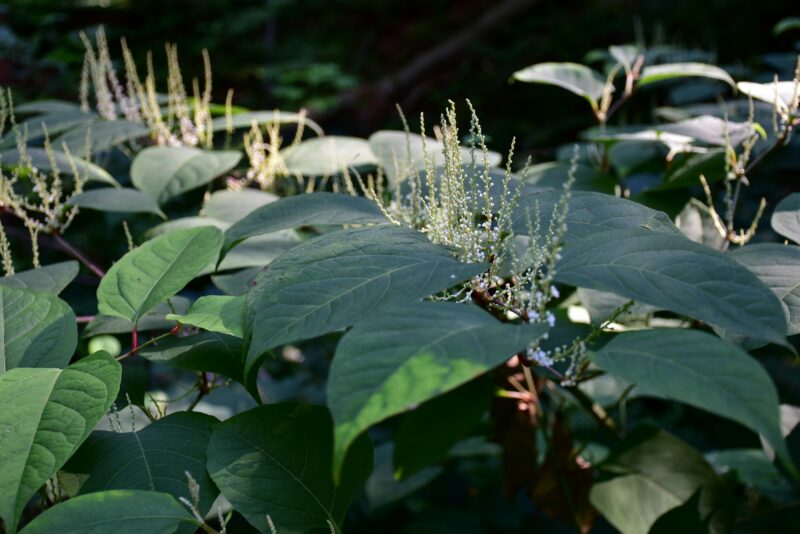
Soil Mineral Deficiencies + Pollution Enable Invasive Colonization.
This species commonly colonizes soils high in potassium and magnesium, often paired with low calcium and depleted biological life. These conditions frequently result straightaway from construction disturbance, erosion, compaction, or repeated chemical inputs. Japanese Knotweed moves in to stabilize those damaged sites. Its deep, aggressive roots fracture compacted soil and mine minerals from deep layers, slowly rebuilding structure where life has struggled.
Japanese Knotweed Remediation- Violence Alone is Not Enough.
Understanding this changes the strategy. Eradication alone often fails because the underlying soil problem remains unresolved. The plant simply returns. Long term success begins with soil remediation. Adding calcium sources such as gypsum or lime can help rebalance mineral ratios. Incorporating compost increases organic matter and microbial diversity, restoring biological function. Phosphorus support through gentle amendments can also assist in rebuilding healthy soil processes.
Japanese Knotweed Remediation: Soil Remediation Heals the Land.
Once soil conditions improve, competition indeed becomes possible. Introducing assertive native plants helps shift the balance. Species such as Goldenrod or Pokeweed establish quickly and thrive in similar conditions, offering strong root systems and seasonal biomass. These natives basically help occupy space, reduce erosion, and gradually limit the opportunity for knotweed to dominate.
Success + Living Your Best Ecological Life.
This approach does not excuse invasive spread. It reframes the problem. Japanese Knotweed is not the enemy but the indicator. Its presence tells a story of imbalance beneath our feet. When we listen to that message and respond with thoughtful remediation, we move from constant battle toward long term ecological repair.
Healing the soil changes the outcome. The plant steps back. The land recovers. Balance returns.
Jessecology is ready to partner on a large-scale soil remediation project focused on regenerative, research-based solutions. We welcome grant-funded collaborations with land managers and institutions. Contact us soon!
Suggested Products


