
Edible Landscapes: Where Beauty and Nourishment Meet.
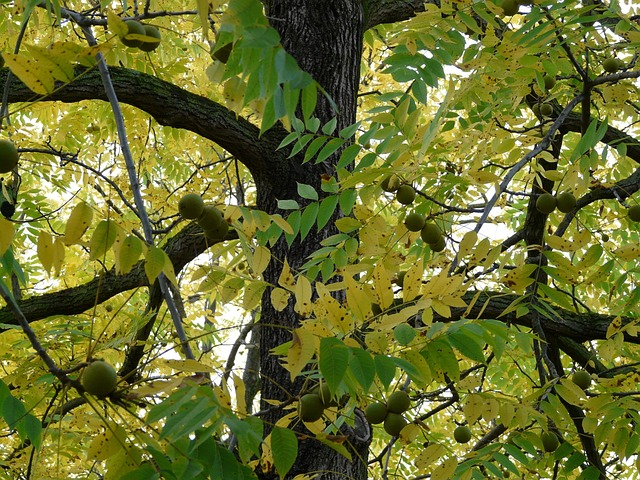
An edible landscape is a garden designed to feed both people and place. It basically blends food-producing plants into the everyday fabric of a yard, transforming ornamental space into living abundance.
Form + Function Continuity.
For most of human history, beauty and usefulness were generally not separated. Fruit trees shaded homes. Berry shrubs also lined paths. People planted herbs near doorways straightaway for easy access. The modern divide between decorative landscapes and food gardens is recent, and unnecessary.
Edible Landscapes + Relationship with the Land.
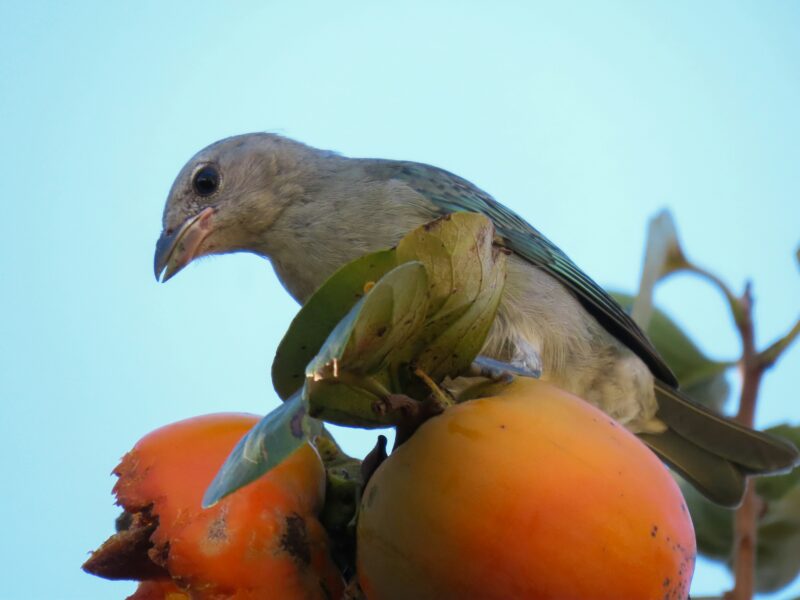
Edible landscapes invite us back into relationship with the land. They remind us that nourishment does not arrive from nowhere. It grows slowly, responding to sun, soil, water, and care. When we walk past a flowering Currant or a ripening Serviceberry, we are participating in the same seasonal rhythms that have sustained people for generations.
Ecosystem + Wildlife Support.
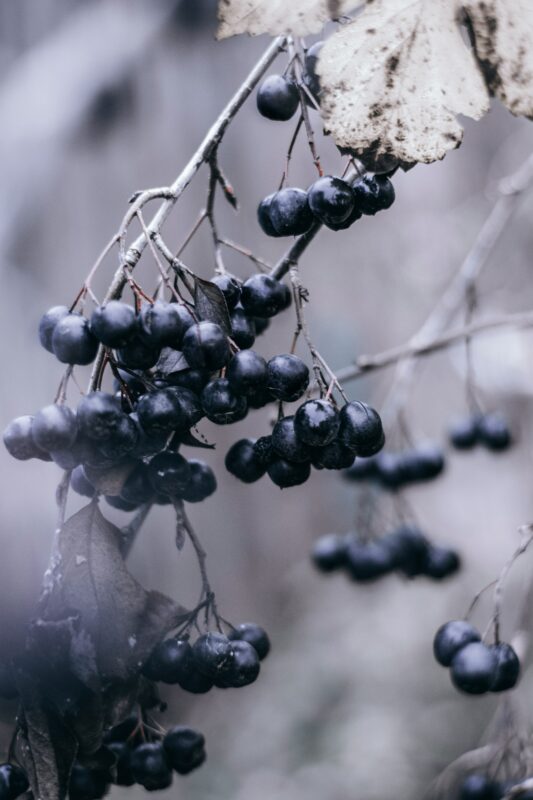
These gardens also support far more than human appetites. Native edible plants provide pollen, nectar, and habitat for insects and birds, long before fruit is ready for harvest. A well-designed edible landscape functions as a complete ecosystem, not a production field. Diversity creates resilience, beauty, and balance.
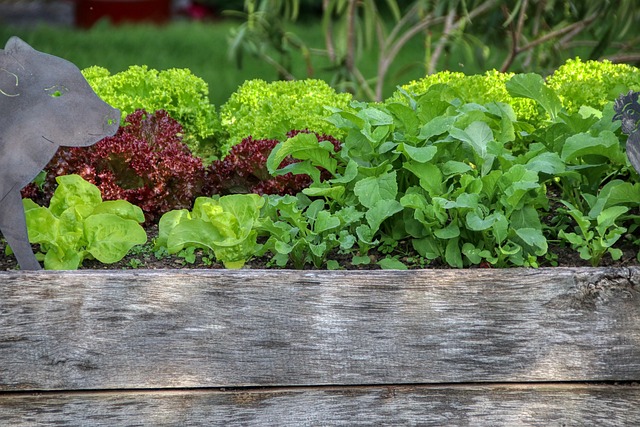
Edible landscapes can be subtle. A Blueberry hedge in place of foundation shrubs. An Elderberry anchoring a rain garden. Perennial herbs woven through pollinator plantings. Food plants belong in visible, cherished spaces, not hidden away in rows behind the house.

When designed with ecological principles, edible landscapes require less intervention over time. Deep-rooted perennials stabilize soil, retain moisture, and outcompete weeds. Once established, these gardens mature gracefully, offering harvests alongside flowers, fragrance, and four-season structure.
An edible landscape asks a simple question. Why should a garden only look good, when it could also feed us? In answering it, we rediscover an older understanding. That the most beautiful landscapes are the ones that sustain life.
Of course, Jessecology will design + build edible landscaping for your New York property! Start Your Project soon.
Suggested Products


