
Deer Hardy Plants: Native Strategies That Work.
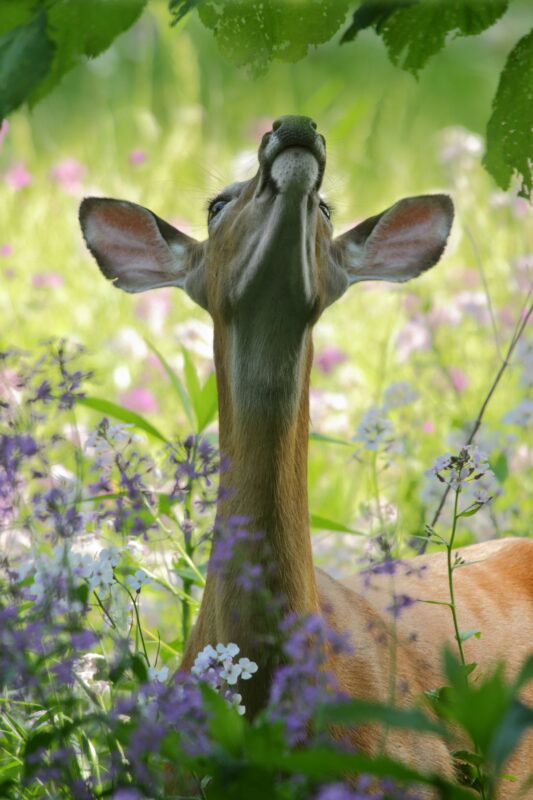
Deer hardy plants are necessary to the ecosystem. One of the biggest challenges for gardeners in the Northeast is dealing with deer. Fencing every bed isn’t always so feasible, repellents wash off, and choosing “deer-resistant” plants can be hit or miss depending on the deer’s mood that year. But there is a far more elegant, ecological solution: plant species that co-evolved with deer and have the toughness, vigor, and regrowth habit to handle browsing without missing a beat.
Natural History
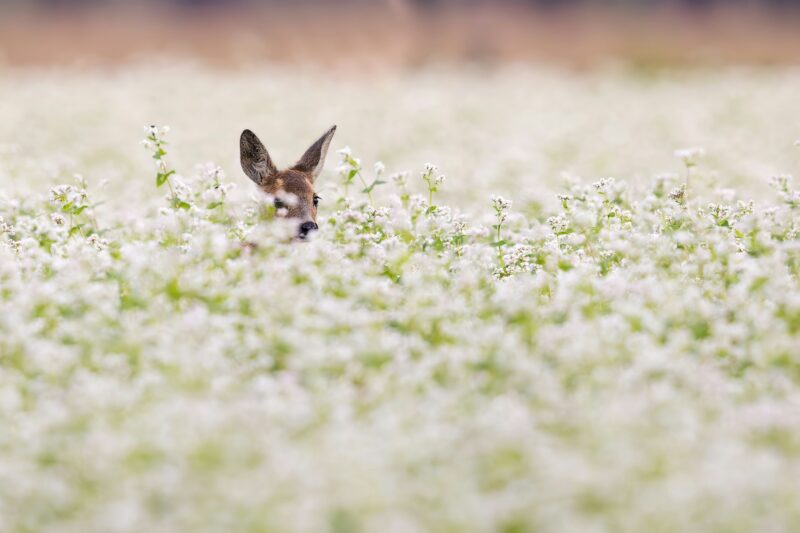
Native plants have been negotiating with deer for thousands of years. Some deer hardy plants, like Goldenrod, New England Aster, and Elderberry, are so well-adapted to life alongside deer that getting nibbled is simply part of their life cycle. Deer love eating them, but these plants respond with explosive regrowth. This natural resilience is the key to building a landscape that stays beautiful even in rather heavy deer pressure.
Why These Deer Hardy Plants Thrive Under Browsing Pressure.
• Built-in regrowth strategy. Plants like Goldenrod and Aster respond to browsing by branching and becoming fuller, often blooming even more profusely.
• Deep root systems. A strong root network lets these species push new growth quickly after being clipped.
• Chemical + physical adaptations. Many native plants have evolved compounds or textures that either deter deer partially or limit browsing to manageable levels.
• Long co-evolution. These species have adapted through centuries of deer interaction, finally creating a balanced relationship.
Best Native Deer Hardy Plants
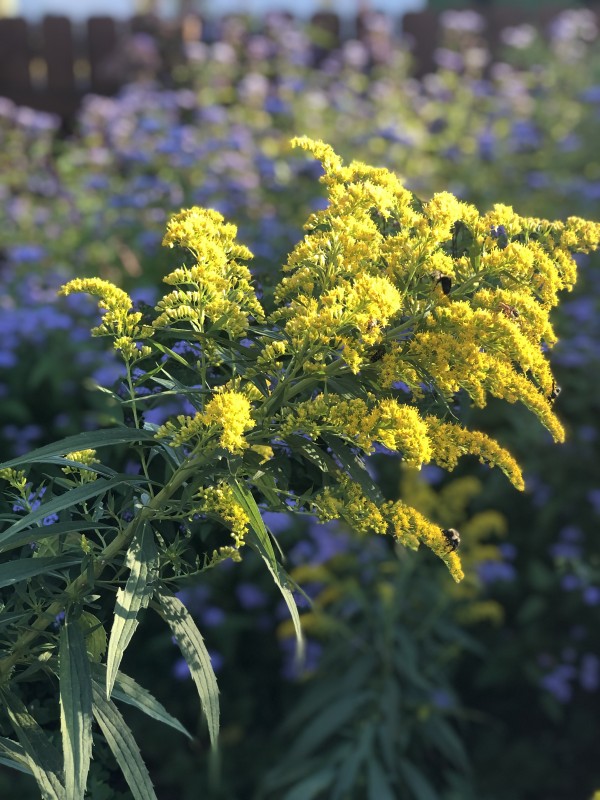
• Goldenrod (Solidago spp.)
All things considered, a powerhouse pollinator plant that rebounds quickly after browsing. Many species stay compact when grazed, actually improving garden form.
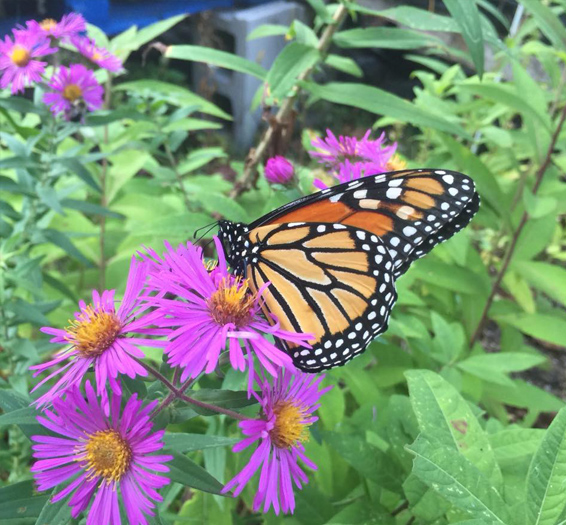
• New England Aster (Symphyotrichum novae-angliae)
Deer often eat them early in the season, which then produces shorter, bushier plants loaded with late-season blooms.
• Elderberry (Sambucus canadensis)
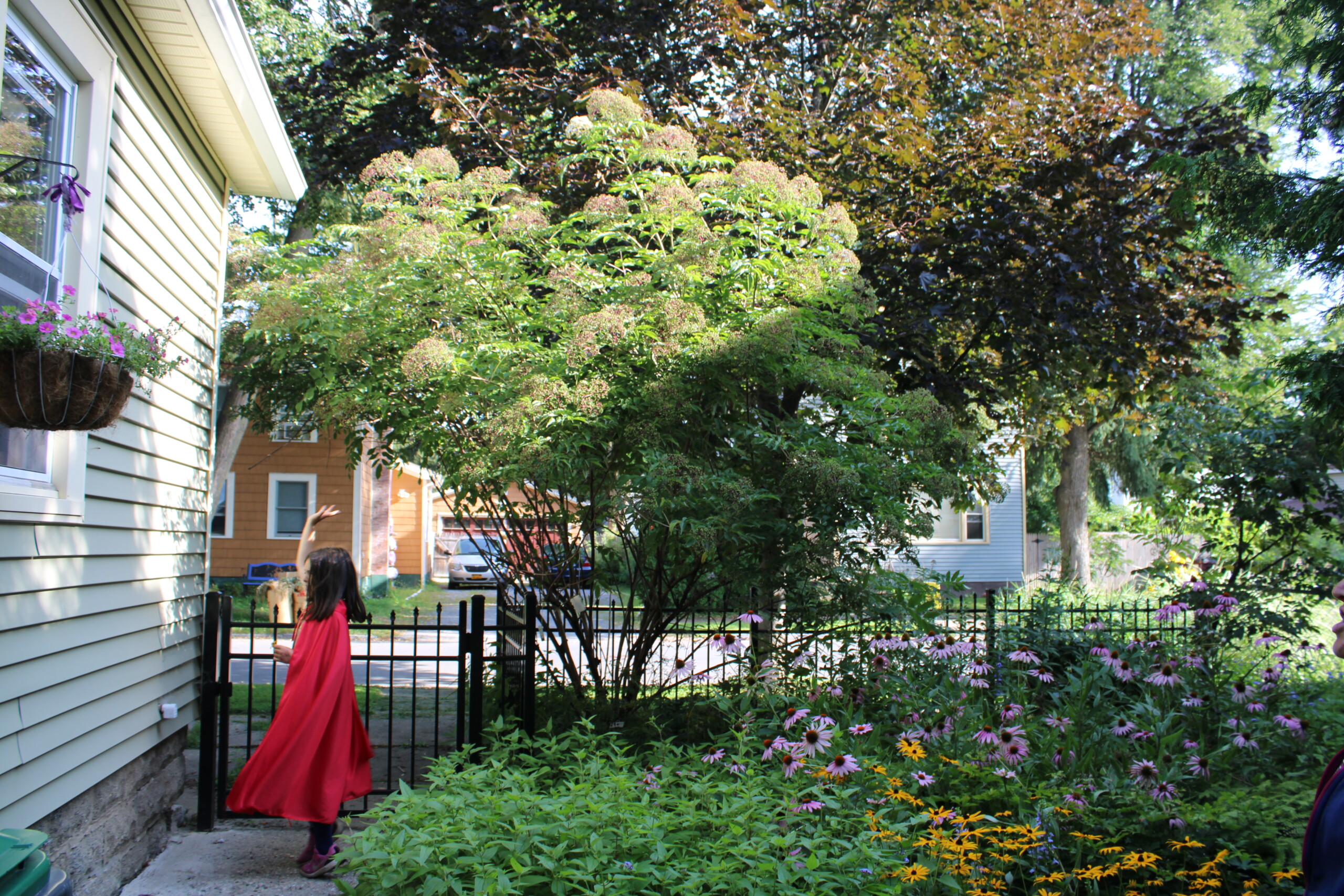
A beloved wildlife shrub that can basically handle heavy nibbling. Its fast growth and suckering habit certainly keep it thriving.
• Bee Balm (Monarda spp.)
Even if deer take a few bites, the vigorous root system produces plenty of new stems.
• Mountain Mint (Pycnanthemum spp.)
Strong aroma and dense growth make this a surprisingly hardy choice under light to moderate browsing pressure.
• Switchgrass (Panicum virgatum)
Grasses evolved to handle grazing. Switchgrass returns unfazed each year and provides structure and winter habitat.
Cooperate with Nature.
A deer-smart garden doesn’t fight nature. It works with it. By planting species that already understand deer, you create a resilient, low-input landscape that supports pollinators, stabilizes soil, and remains beautiful through every season.
Native deer hardy plants are not only the ecological choice; they’re the most reliable long-term deer strategy available.
Read more right here.
Suggested Products


