
Black Walnut Trees (Juglans nigra): Beauty, Habitat… and a Few Cautions.
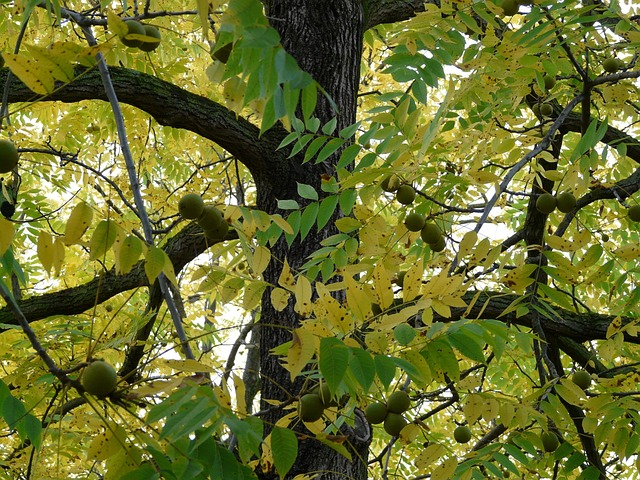
Black Walnut trees are certainly one of the most magnificent native trees in North America. Juglans nigra rises with a kind of quiet authority: stately form, deeply furrowed bark, and compound foliage that moves like lace in the wind. If you’re creating habitat, this species delivers. It’s a keystone tree for wildlife, a long-lived anchor for any restoration planting, and a cultural heirloom in its own right.
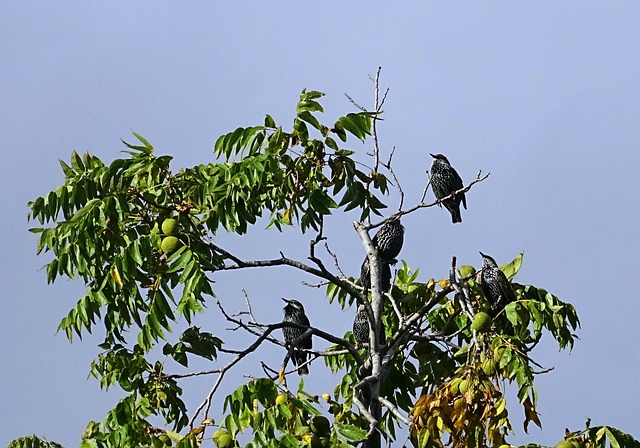
Wildlife + Habitat Benefits.
The benefits are almost endless. The fragrance of the leaves and hulls has an earthy sweetness, unmistakably “walnut.” And the nuts themselves? Extraordinary. Crack them in early winter and roast the kernels with cinnamon and sugar, or make a pecan-pie-style walnut pie. They are nutrient dense, delicious, and beloved by both humans and wildlife. Squirrels, chipmunks, foxes, raccoons, and a suite of birds depend on Black Walnut as a major seasonal food source. Several butterfly and moth caterpillars use it as a hostplant as well, adding another layer of ecological value.
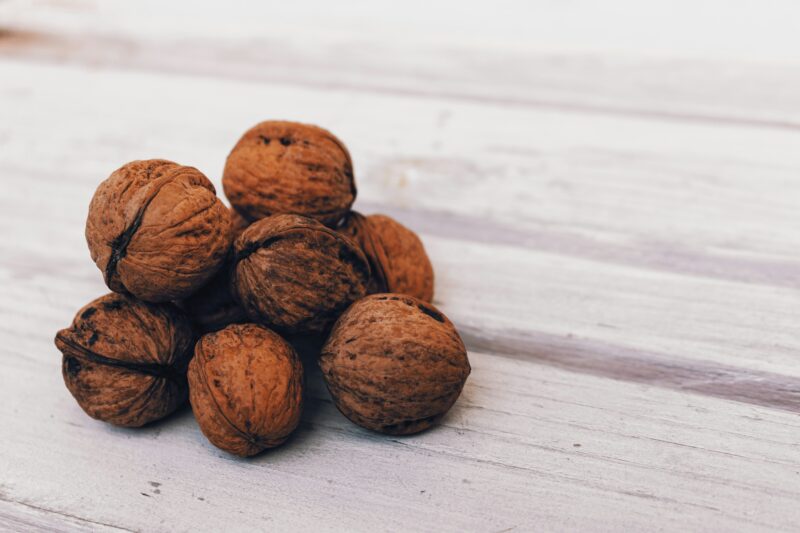
Walnut as Commodity.
The wood, famously, is one of the most valuable timber commodities in the country. Its fine grain, chocolate tone, and dimensional stability make it a premium material for furniture, cabinetry, gunstocks, and artisan work. A mature Black Walnut is like a living treasury.
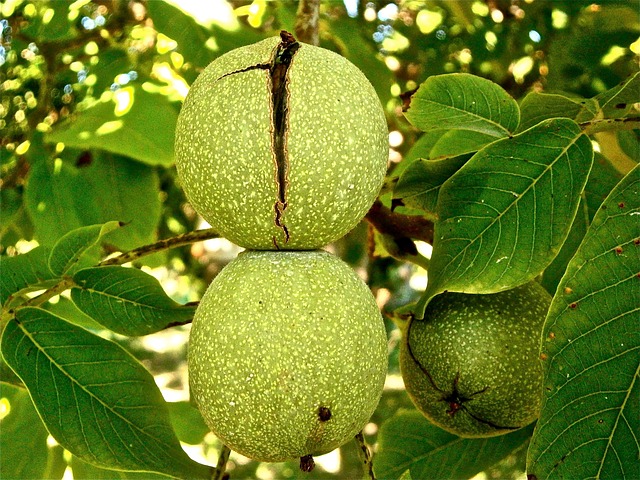
The Juglone Catch.
But here’s the catch, and it’s a big one. Black Walnut presently produces juglone, a biochemical compound that acts like a natural herbicide in the soil. Some plants tolerate juglone without issue. Many do not. If you plant a Black Walnut near vegetable gardens, perennial beds, fruit trees, or ornamental landscapes, you may find yourself managing a new challenge: juglone tolerance. Tomatoes, potatoes, peppers, apples, blueberries, hydrangeas, azaleas, many conifers, and countless ornamentals often decline and die in its root zone. Soil beneath and around a mature Black Walnut becomes a selective environment where only certain species thrive.
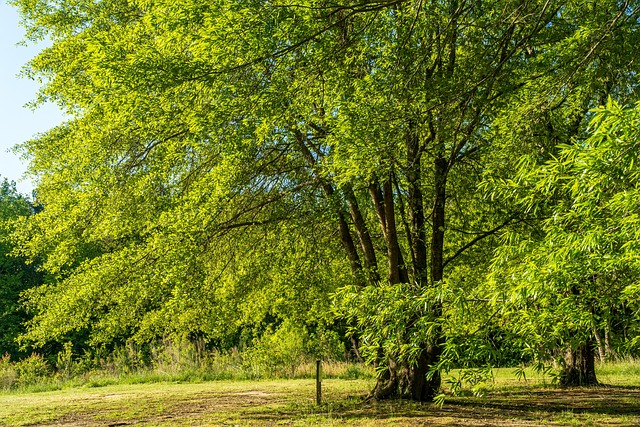
So, think carefully before planting Juglans nigra.
It is a regal, ecologically important tree with real gifts to offer—so much beauty, habitat, food, fragrance, wood, cultural history. But its presence reshapes the land in lasting ways. If you want one, plan the surrounding landscape around its chemistry, not the other way around. With the right plant companions and placement, Black Walnut can certainly be a spectacular addition to a habitat project. Without that foresight, your juglone soil condition becomes an unexpected (and sometimes frustrating) long-term project of its own.
You want some trees at your home or office.
Hire Jessecology in NYS to plant some edible, native trees! Start Your Project now.
Suggested Products


